Exhibition detail
Andy Wei: The Boy in the Landscape
Dates
Sep 4 - Oct 30
Location
Beijing East Road No.211, Huangpu District, Shanghai, China
Huangpu
Shanghai
Press Release
Hive Center for Contemporary Art is pleased to announce Andy Wei’s first solo exhibition in China The Boy in the Landscape, opening on September 4, 2026, at Hive Becoming, Shanghai. As the 65th iteration of the Hive Becoming Project (HBP), this exhibition brings together more than ten of the artist’s latest paintings. Andy Wei lives and works in New York. Primarily working in oil painting, his practice revolves around the complex relationships between identity, memory, and spatial experience, continuously exploring the formation and transformation of an individual’s sense of belonging. Curated by Xia Xiaoyan, the exhibition will run through October 30.
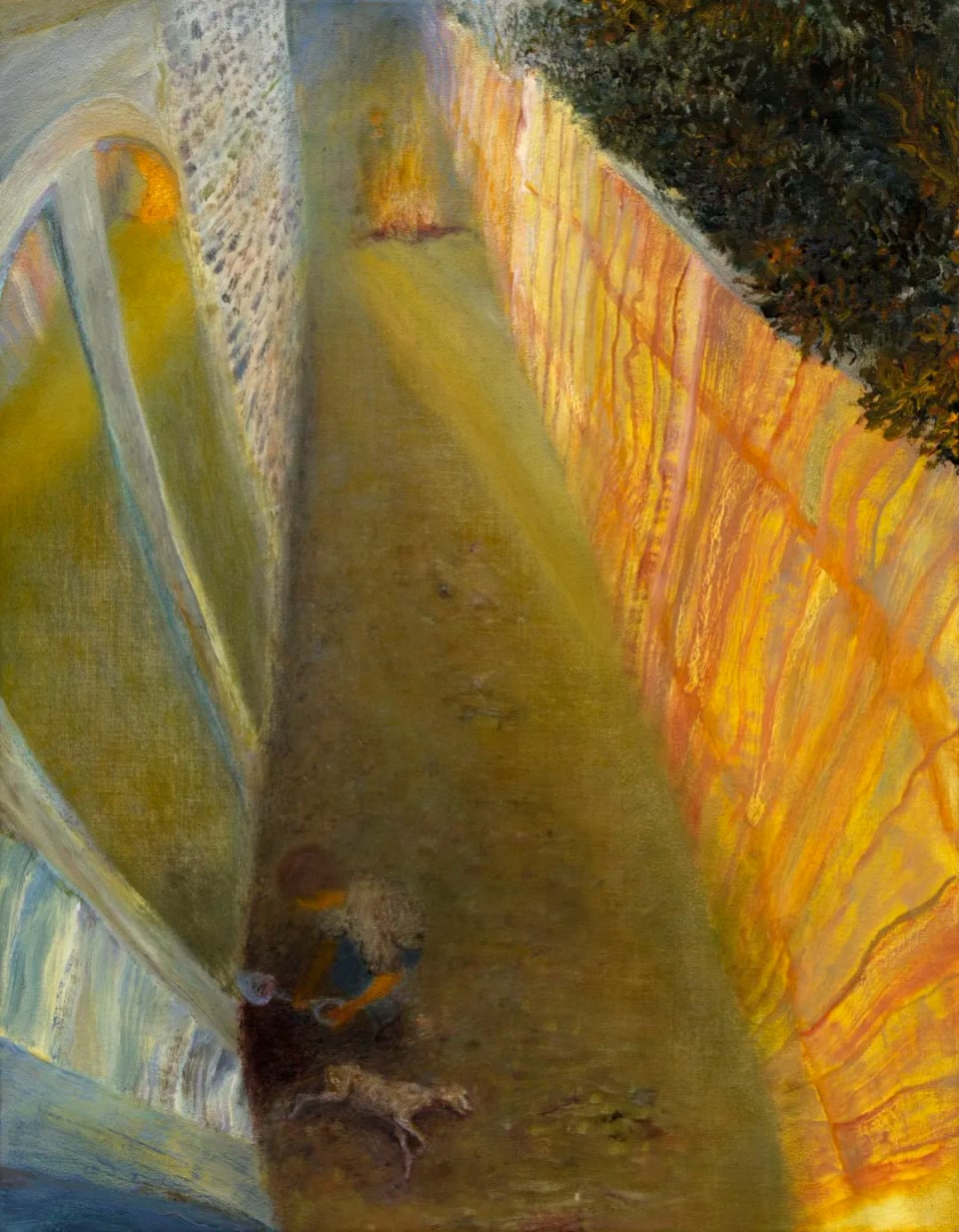
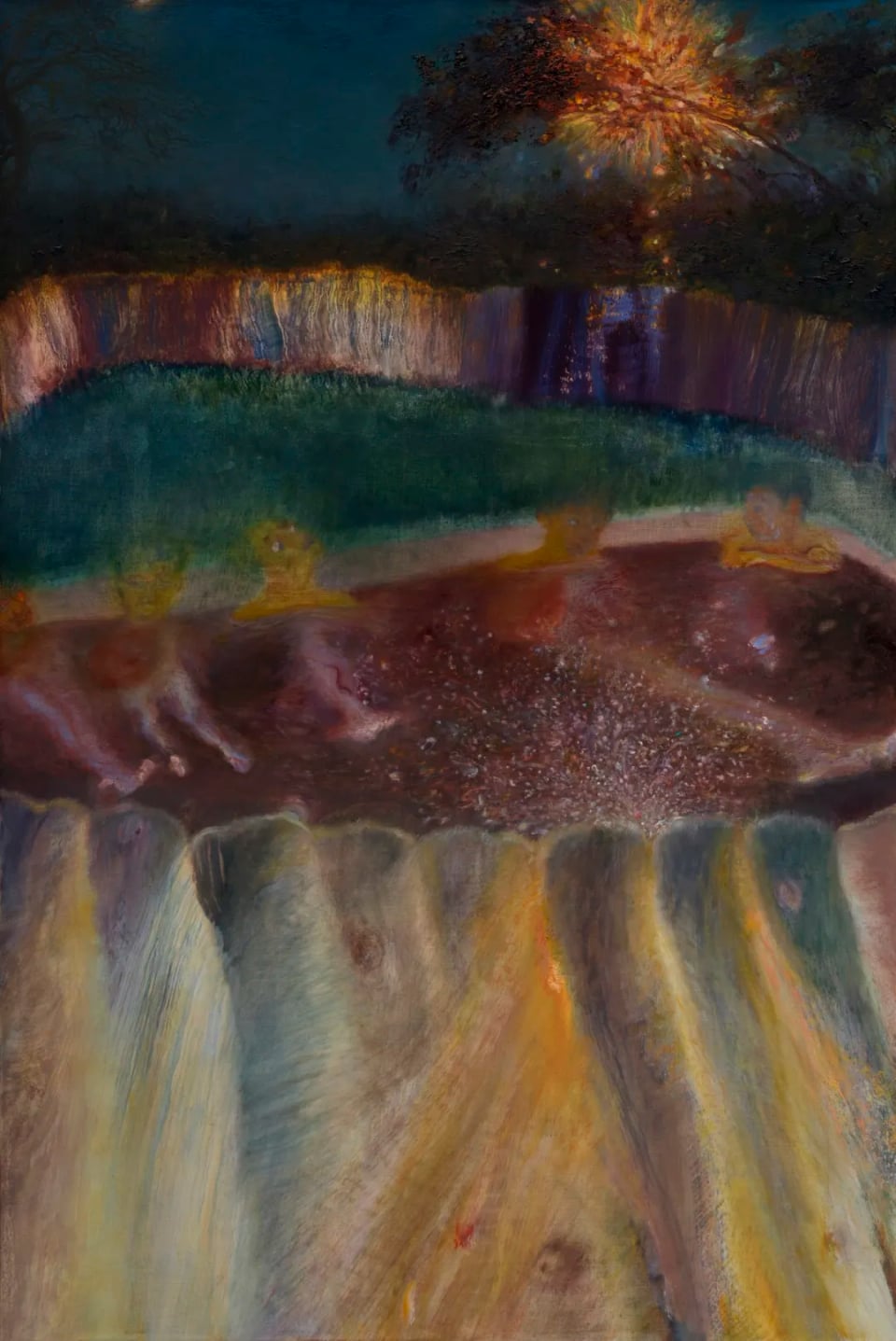
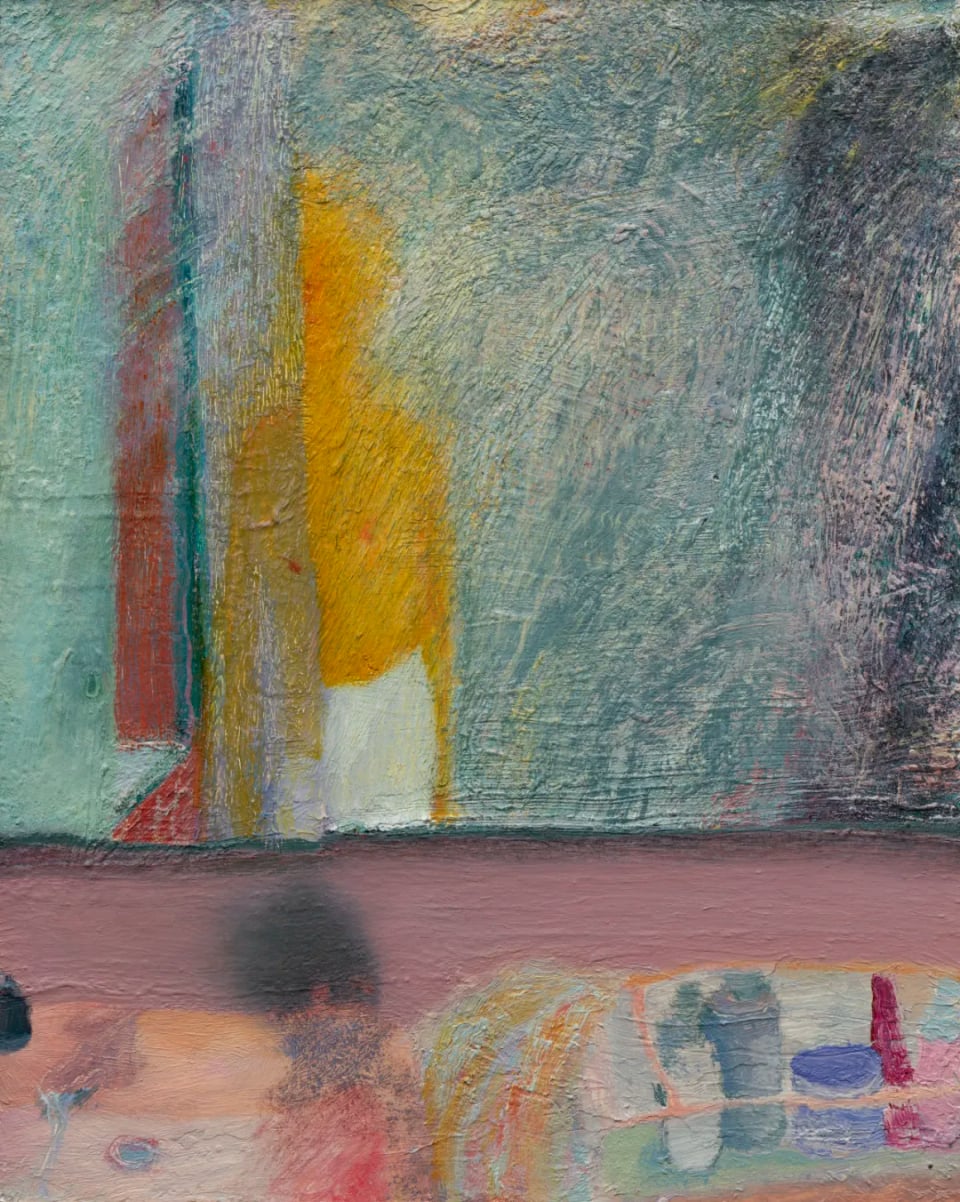
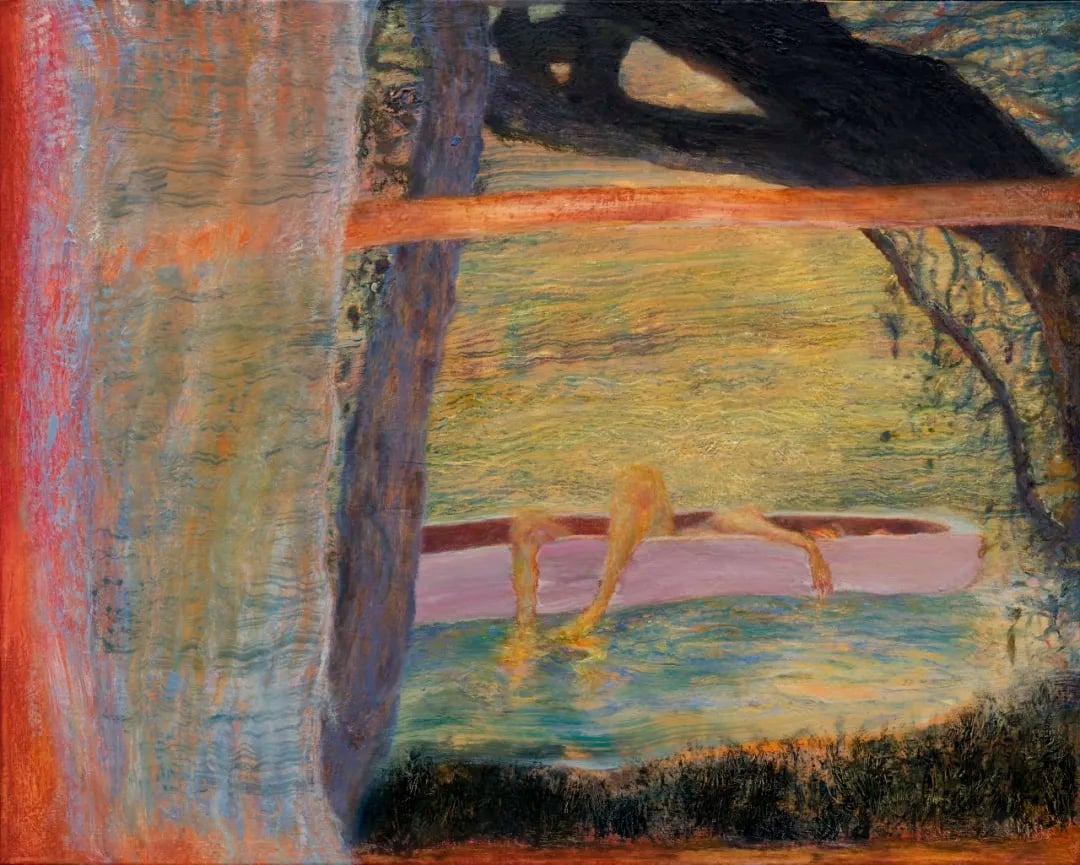
Andy Wei was born in New Jersey, USA, in 1998 and graduated from Parsons School of Design in New York in 2023. Andy Wei’s practice centers on three spatial sbubjects—“Forest” “Bathroom” and “Yard”—tracing a movement from external cultural inheritance to internal bodily experience, and to the point where the two converge. The “Forest” series responds to his re-encounter with his ancestors’ culture as a second-generation immigrant who grew up in the United States, revealing an identity structure that is both familiar and alienating; the “Bathroom” series reconstructs private spaces in various cities, transforming the body, mirrors, and steam into media for perception and memory; the latest “Yard” series further establishes liminal spaces between the interior and exterior, where inherited culture and acquired experience converge to generate new forms of selfhood. Through the depiction and reconstruction of natural environments, private spaces, and transitional zones between the interior and exterior, specific spatial experiences are transformed into visual metaphors for identity and memory. Within these spaces, figures are both enveloped by their surroundings and constantly attempting to affirm their own position; as a result, space is no longer merely a backdrop for human activity but becomes a vital site that shapes bodily perception, carries cultural memory, and generates a sense of identity.
A growing focus in contemporary art is the question: What does the experience of painting itself signify? Where, exactly, lies the boundary between “fiction” and “reality”? Wei has devoted himself entirely to this question. His painting practice can be understood within the contemporary discourse on “belonging” and the formation of subjectivity. In his work, belonging does not point to an identifiable cultural origin but rather resembles a structure that is constantly deferred: it is both presupposed through history and kinship, yet continually shifts and reconstructs itself within concrete experiences. His repeated reworking of the three types of spaces—“forest, bathroom, and yard”—constitutes a visual method that can be viewed as “spatial production”—space is no longer a neutral container, but rather both the condition and the result of the formation of the subject. For Wei, painting is always accompanied by a particular tension in the act of seeing: he must both draw upon the Eastern cultural experiences he has inherited—identifying the memories, habits, and emotions that constitute his perceptual world—and rely on the visual language and painting methods developed within the Western artistic tradition to reorganize these experiences into visible images. Consequently, his work does not simply present an “Eastern” or “Western” identity, but rather continually seeks its own position amid the interplay of two modes of seeing, cultural experiences, and visual traditions. This state of viewing—being both immersed in and maintaining a distance from—transforms his painting into an ongoing negotiation of belonging: it concerns both “where I come from” and “how I view the place where I am”.
Images of the exhibition