Exhibition detail
Chai Mi: At night my throat dresses itself in green feathers
Dates
Jul 4 - Aug 16
Location
No.3, Lane 40, Wukang Road
Xuhui
Shanghai
Press Release
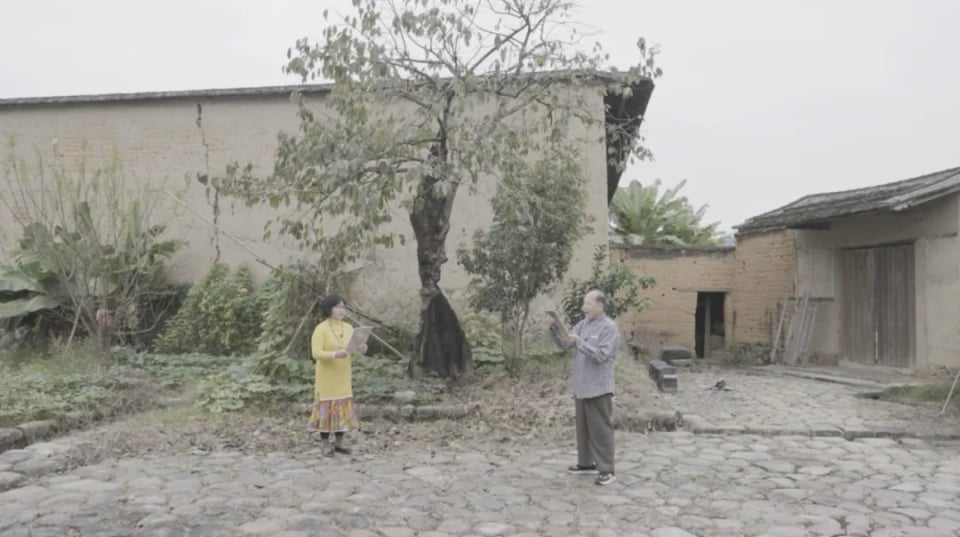
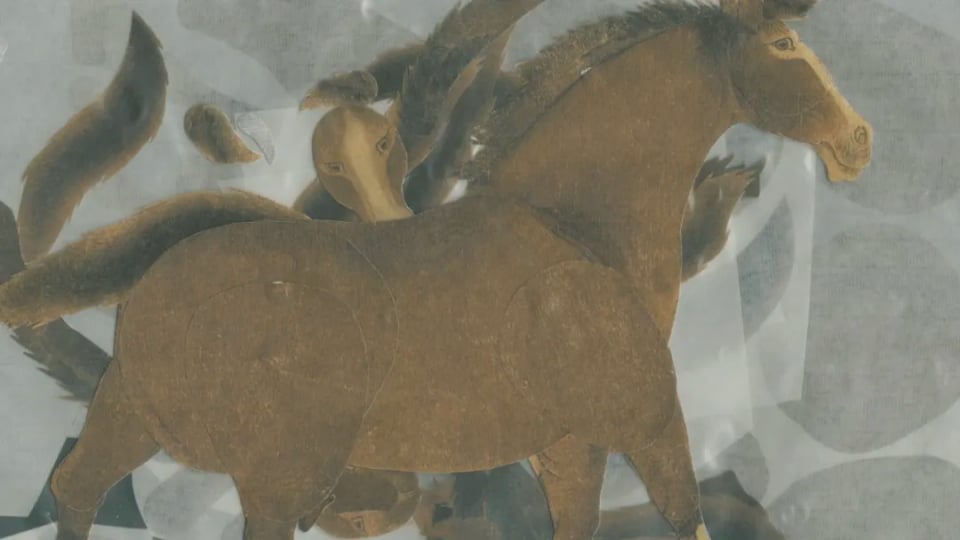
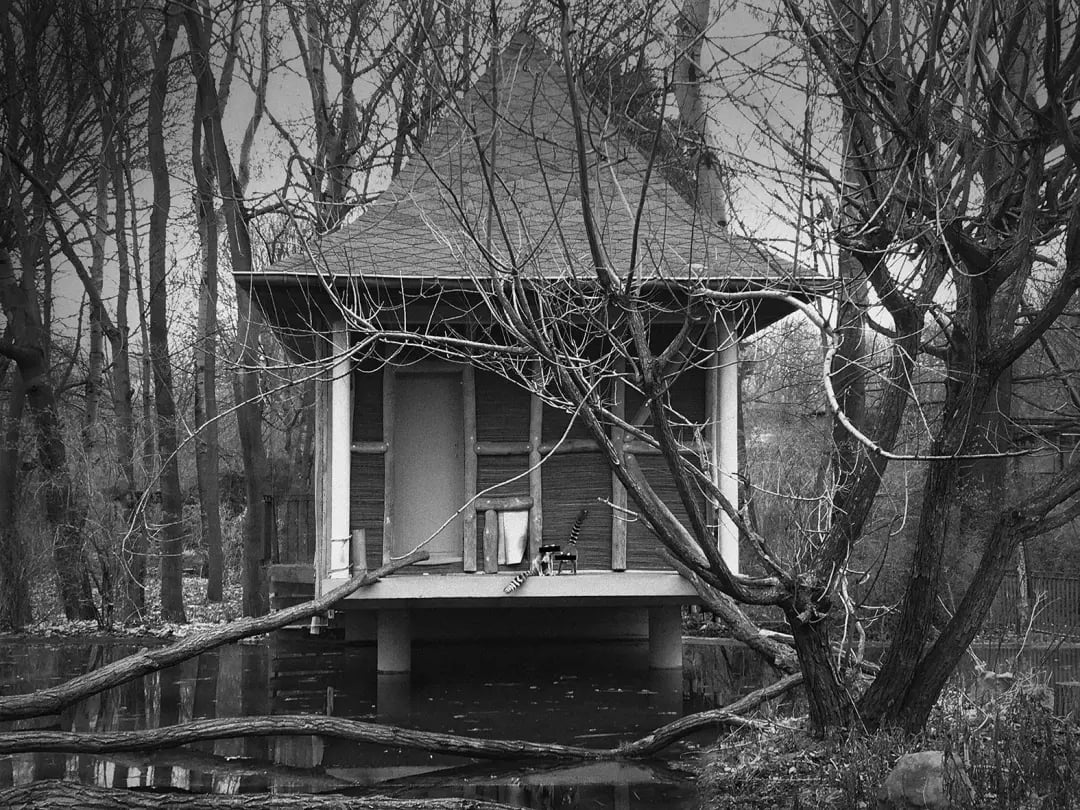
"Domicile" functions not only as our living space but as a relational structure undergoing constant rewriting. The exhibition seeks to construct a speculative theater of space, subjectivity, and disciplinary power, integrating flora, fauna, images, and architecture into an ongoing, unfolding apparatus. Departing from the etymological affinity between "Domestication" and "Domicile"—both rooted in the Latin Domus (home)—this point of entry gestures toward millennia of co-habitation and domestication while implying a more latent, structural operation: how bodies are incorporated into order, how perception is redistributed, and how narratives shift and reposition through cross-species and trans-media translations. The settled, the tamed, and those coerced into the "habitable"—both humans and non-humans—manifest not merely as biological entities or symbolic tokens, but as questions of "in-betweenness": between us and them, interiority and exteriority, assimilation and alienation, subversion and residue.
Throughout over a decade of artistic practice, Chai Mi has sought a clandestine, classicist path navigating the physical and spiritual worlds. Moving from the ethical quandaries of human-animal coexistence to the conscription of the individual body by grand narratives, and further to the displacement of tradition by modernization, Chai’s practice registers a profound empathy for "Vibrant Matter" amidst the loss and desperate reclamation of various modes of dwelling. Framed by her methodology of "zoo-auto-biography," the domicile ceases to be a site of mere possession; instead, it becomes a mode of being that is perpetually negotiated. It concerns not only how the body inhabits the world, but how the world permeates us through myriad, minute, and continuous impressions. Animals, plants, artifacts, memories, and histories converge through mutual contact, intrusion, attachment, and dislocation, coalescing into a form whose very open-endedness is preserved precisely through its incompleteness. As interspecies boundaries dissolve, the yearning for connection no longer presupposes shared specieshood or spatio-temporal synchronicity. Their lives and narratives can be simultaneously anchored, just as they can, in unison, withdraw. Within these shifting, entangled relationships, we are perhaps invited to rethink what it means to dwell, and how we might truly encounter one another.
The exhibition title is excerpted from the poem A History of Domestication (2020) by Sun Yung Shin.
——Ding Dawei
Images of the exhibition