Exhibition detail
Crystal Boys and Others
Dates
Apr 6 - May 23
Location
No.5, Lane 386, Changle Road, Huangpu District
Huangpu
Shanghai
Press Release
Artists: Wing Shya, Chi Peng, Shen Wei, Lin Zhipeng (No.223), Ren Hang, Tao Hui, Huang Jiaqi, Guang Ye, Shae Xu, Killion Huang, Peiyi Tsai, Joyce Chonghui Wu, Meng Zhuosiqi, and Huang Zejian.
Curated by Otto Neu
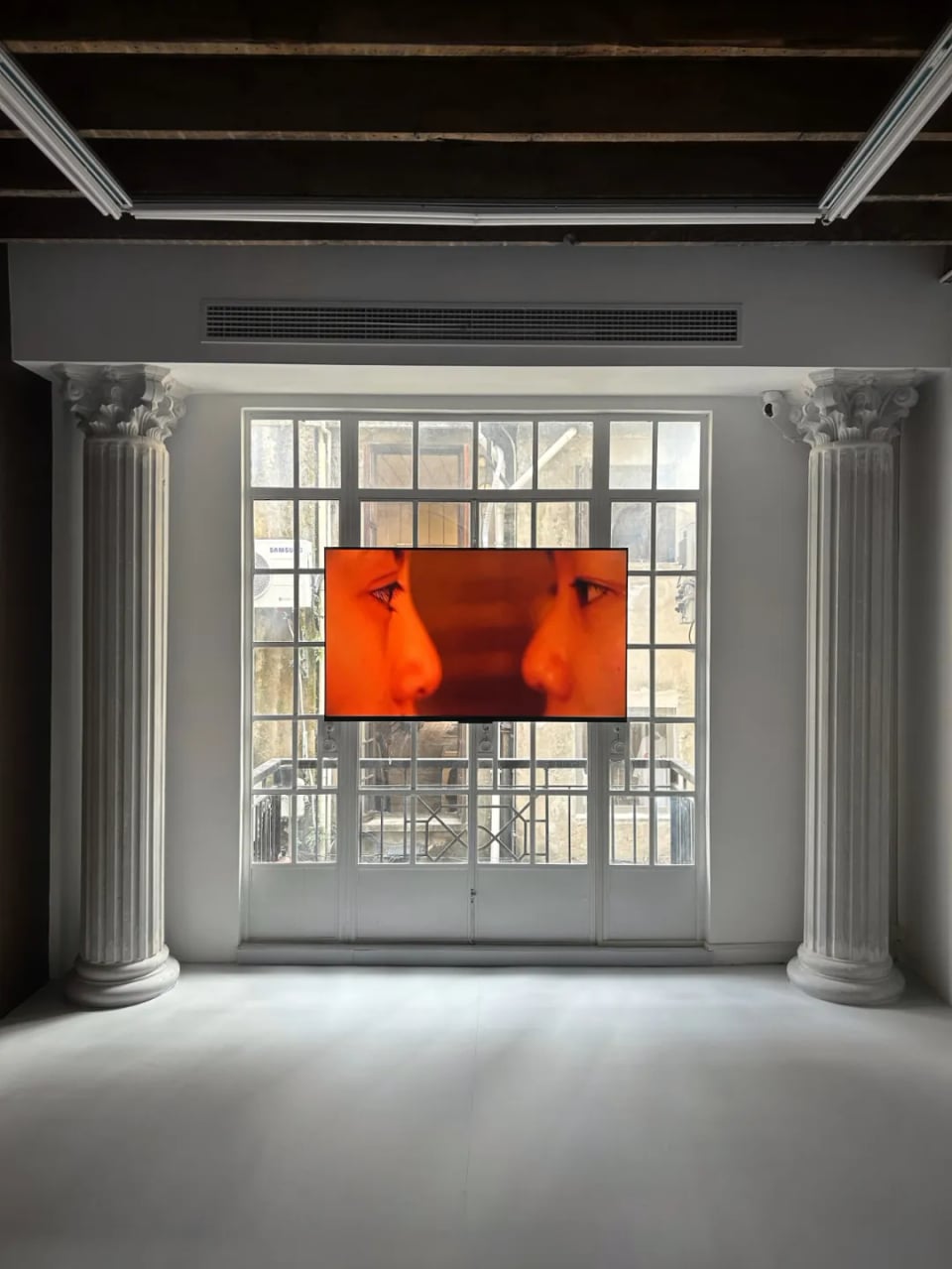
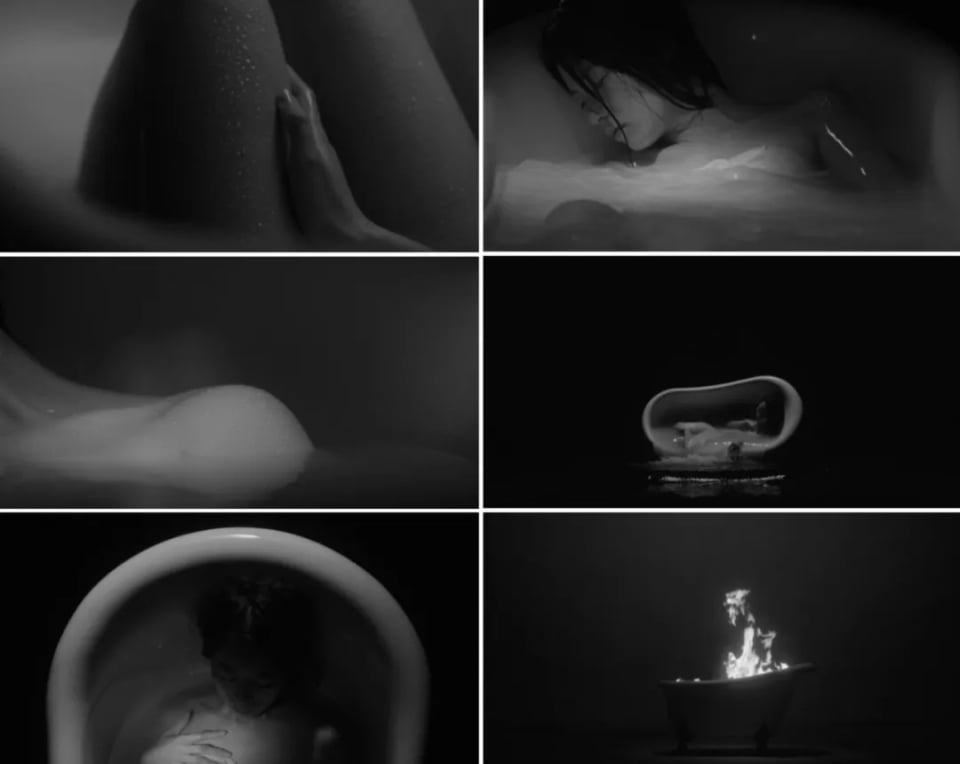
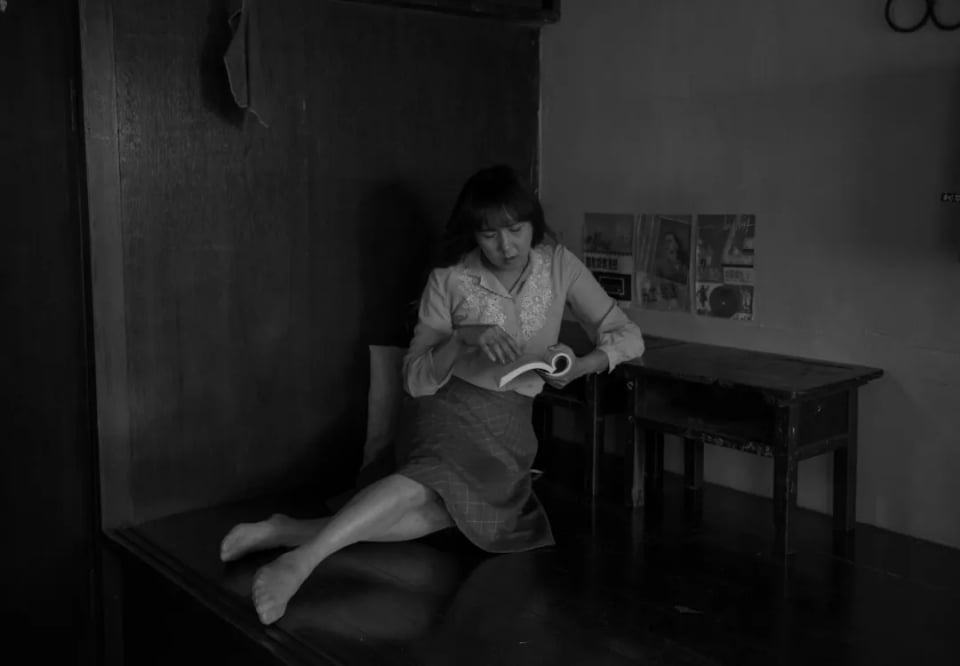
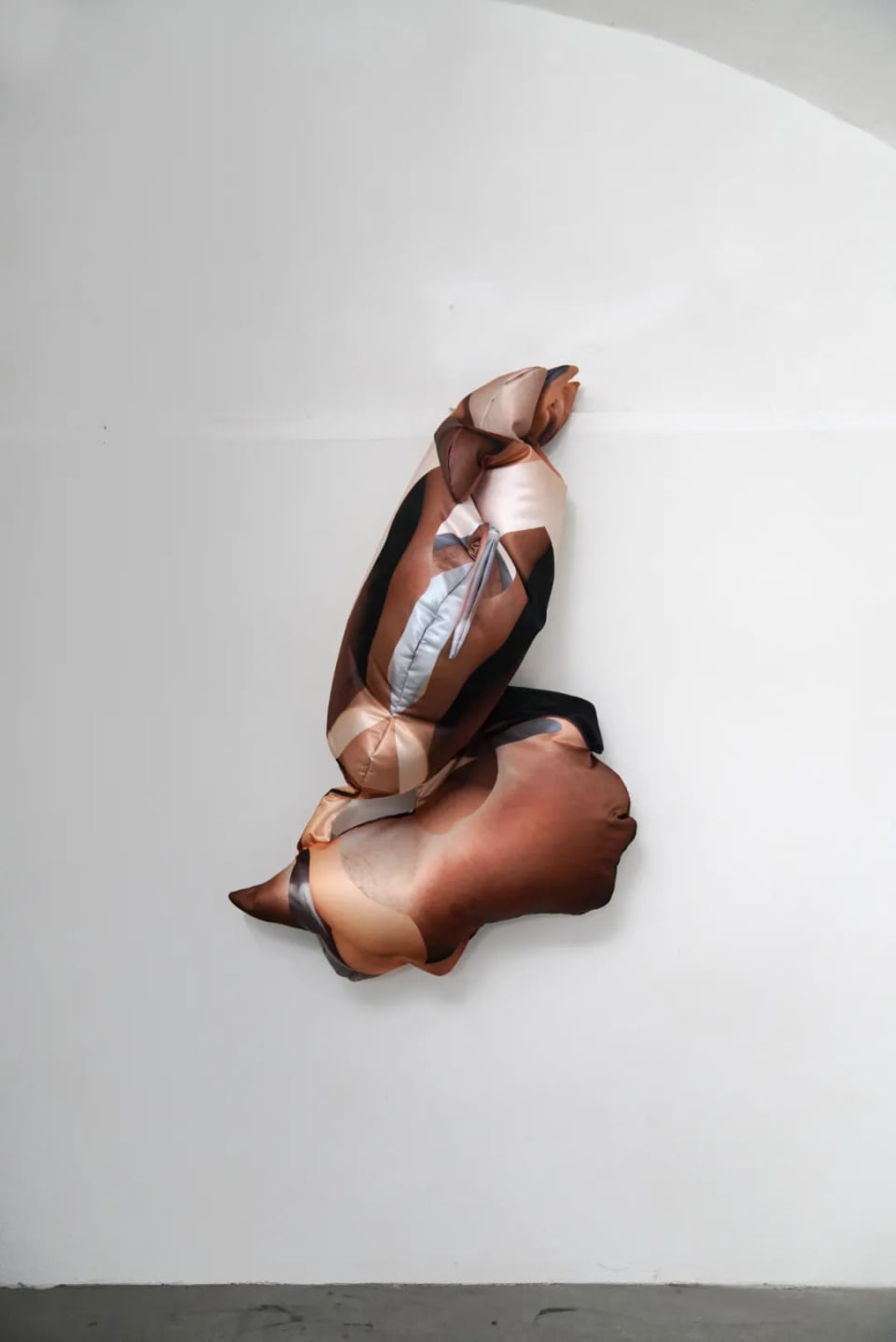
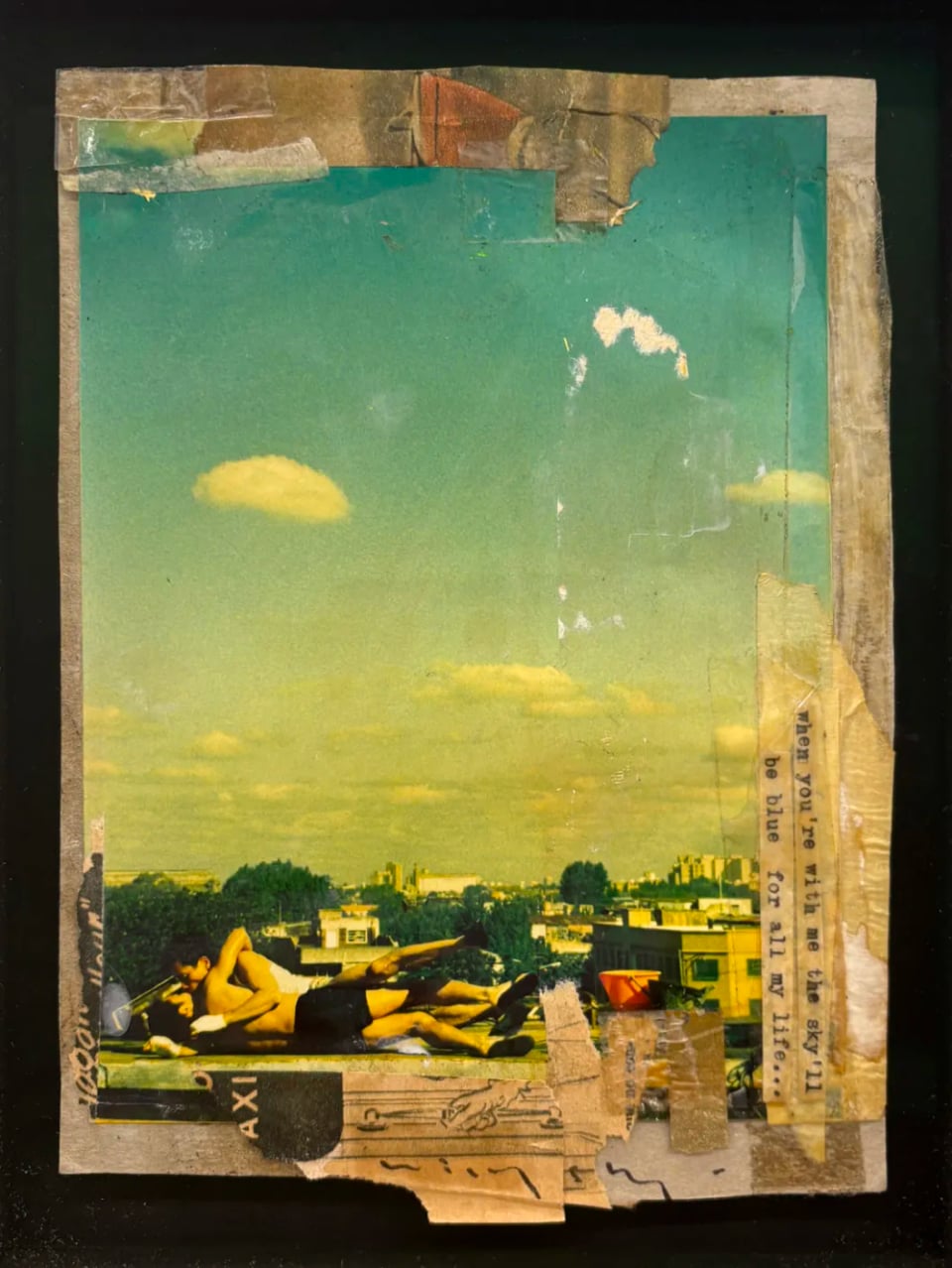
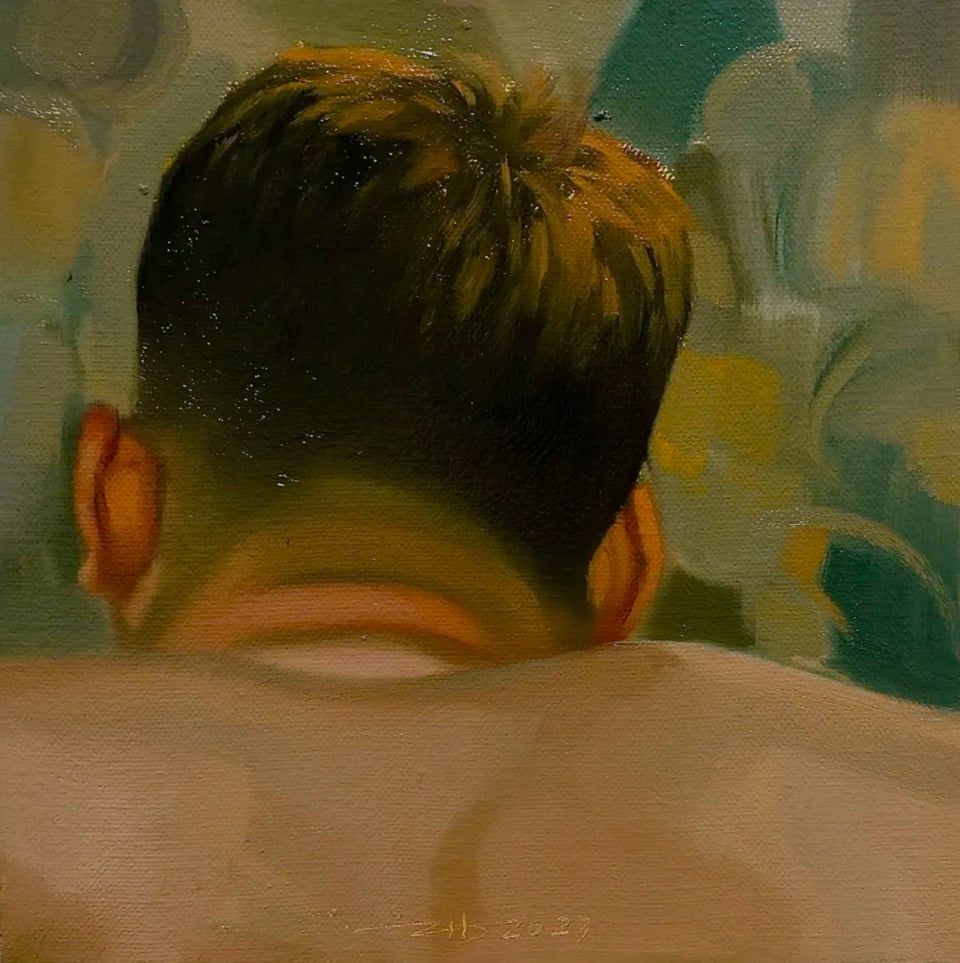
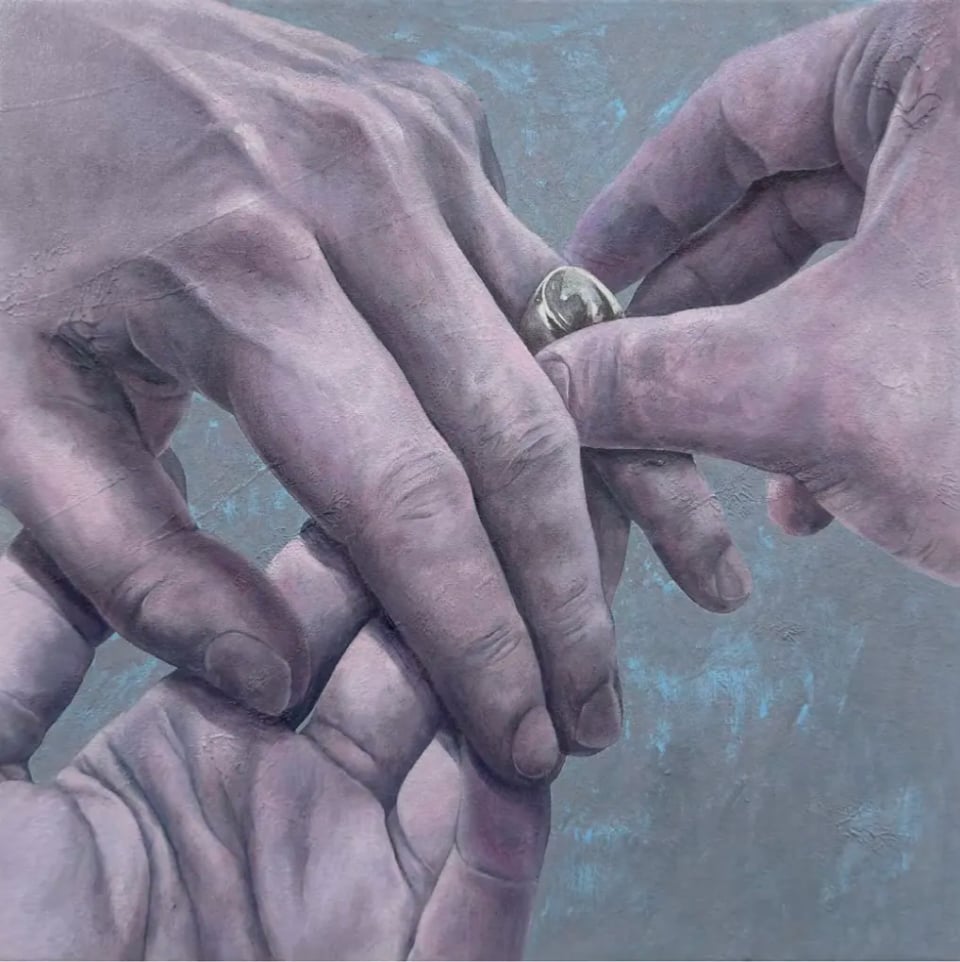
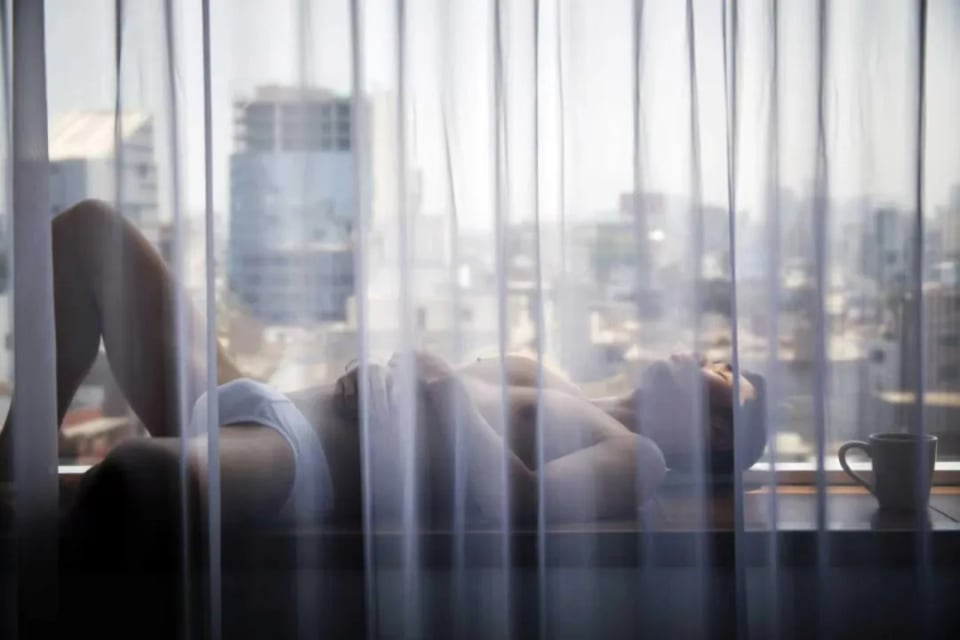
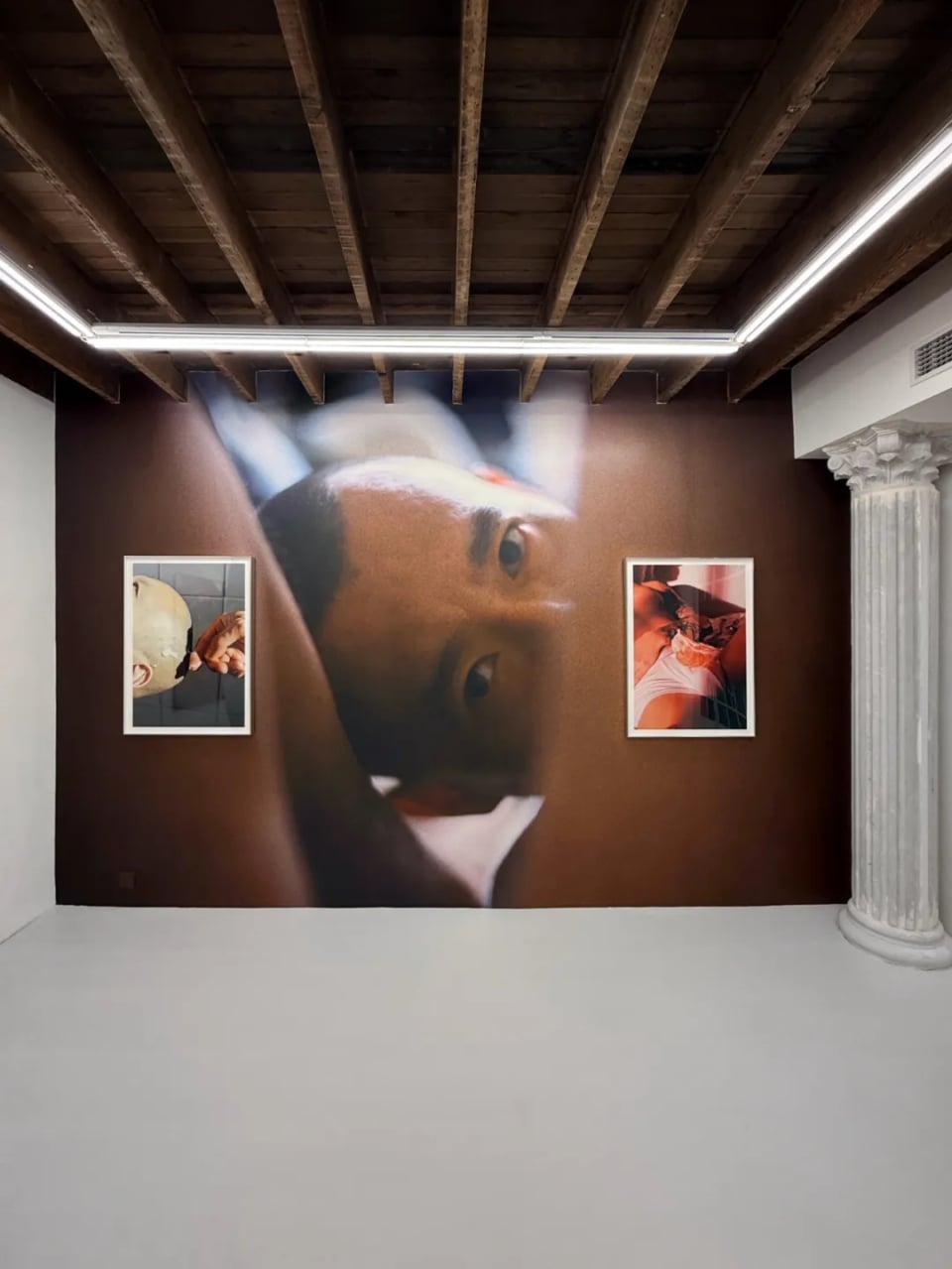
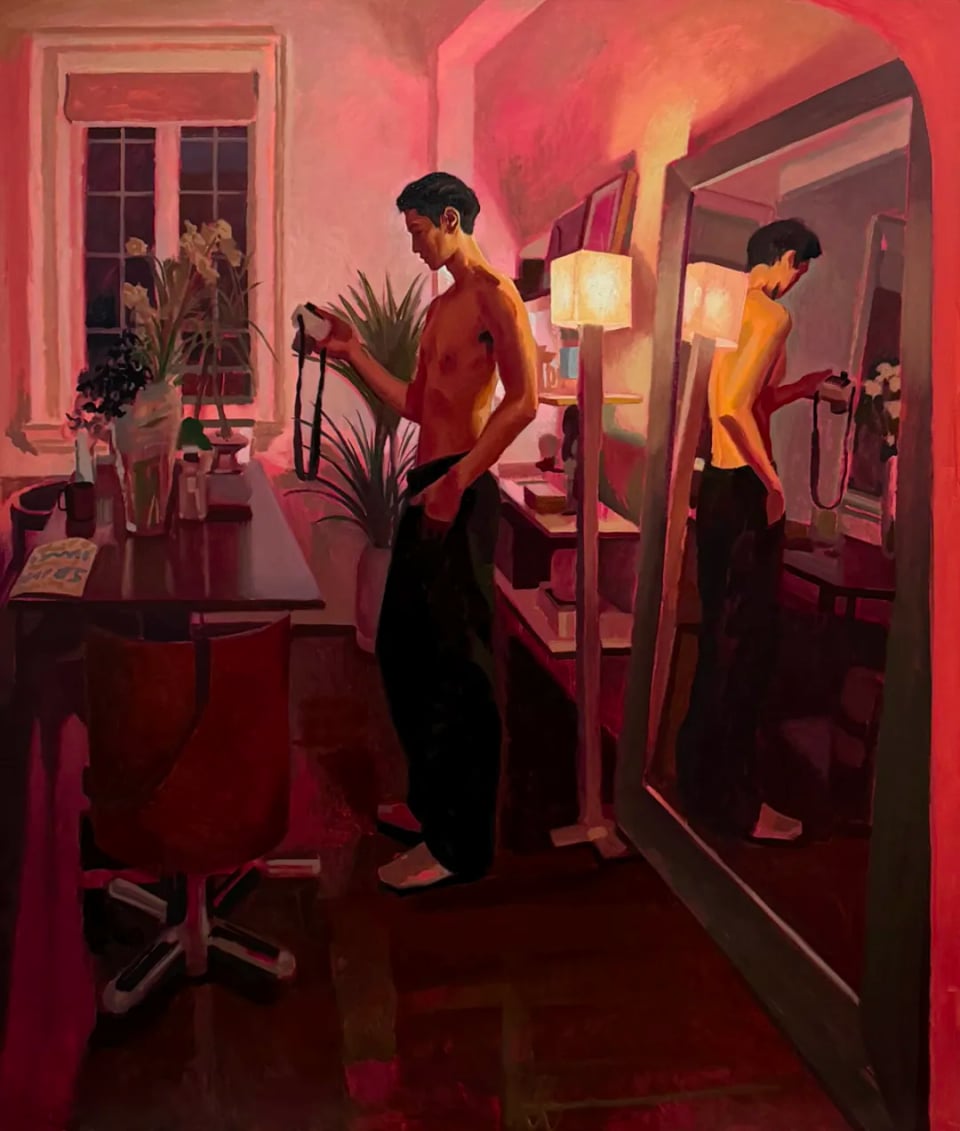
Nan Ke Gallery is pleased to present the exhibition project Crystal Boys and Others, a romantic homage to queer art in Chinese context. The exhibition brings together a selection of artists who, from the 1990s to the present, have engaged the queer community as a central subject of their practice. Participating artists include Wing Shya, Chi Peng, Shen Wei, Lin Zhipeng (No.223), Ren Hang, Tao Hui, Huang Jiaqi, Guang Ye, Shae Xu, Killion Huang, Peiyi Tsai, Joyce Chonghui Wu, Meng Zhuosiqi, and Huang Zejian.
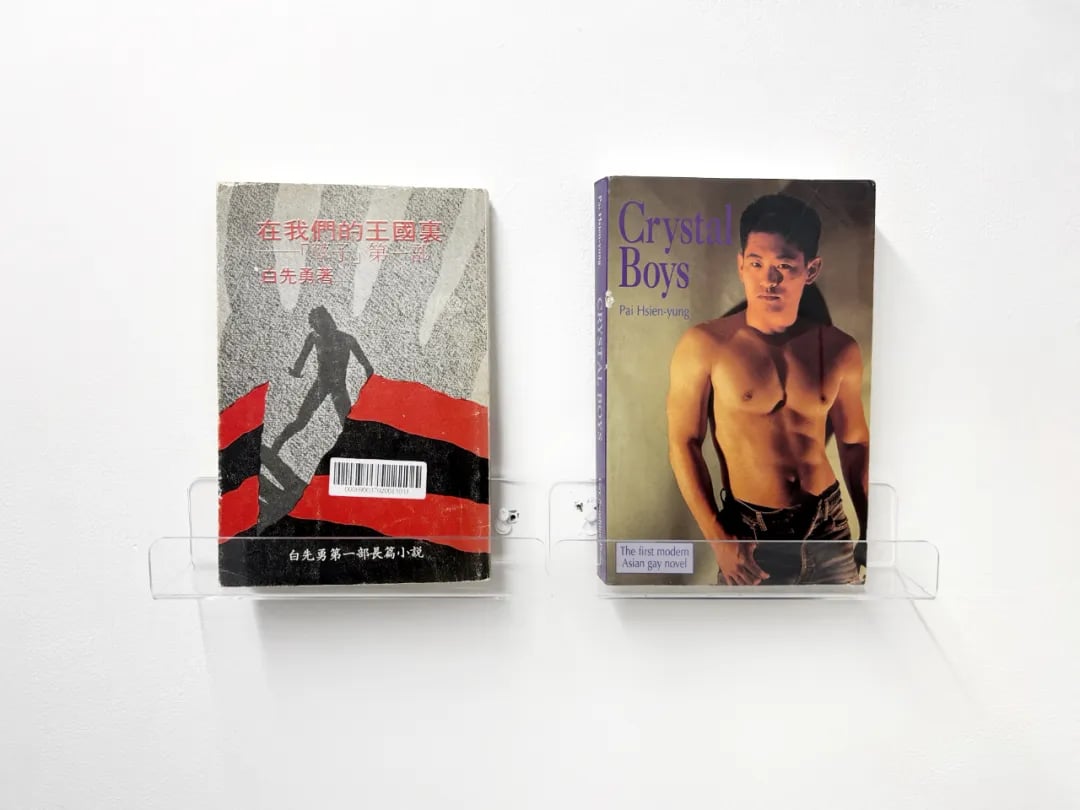
The exhibition takes its title from Crystal Boys, the novel by Pai Hsien-yung. Widely regarded as the first work in the Chinese-speaking world to openly depict the lives, emotions, and struggles of the queer community, the novel broke through the social taboos of its time, bringing a once-hidden marginalized group into the field of mainstream literature. The exhibition follows the novel’s tripartite framework of identity, patriarchy, and Buddhist thought.
The narrative of Crystal Boys unfolds in the nighttime of a park in the 1970s—a group of young men, cast out by family and social order, struggle and love at the margins of the city, sustaining themselves through the exchange of their bodies. Marked by the label of “sin,” they drift in territories beyond the reach of daylight, while forming another kind of hidden community through mutual gaze and dependence.
In parallel, this narrative reflects the historical trajectory of queer art: from a long period of concealment and voicelessness within non-mainstream cultural structures, to its gradual emergence into public discourse and institutional visibility in recent years. This movement from the margins toward visibility is not merely a revelation of identity, but a rewriting of narrative agency, bodily politics, and affective structures.
Time, within this exhibition, does not unfold linearly but occurs simultaneously. As repeatedly suggested in Crystal Boys through notions of causality and past lives, the past and the future coalesce to form the present. In looking back at the works and individuals that have emerged over the past three decades, one might ask: is queer art a phenomenon, or evidence of another mode of life? Through the exhibition’s four chapter-like dialogues, we attempt to trace possible responses to this question.
Images of the exhibition