Exhibition detail
Diagrams: A Project by AMO/OMA
Dates
Mar 14 - Jun 21
Location
No.186 North Shanxi Rd, Jing’an District, Shanghai
Jing'an
Shanghai
Press Release
Prada presents “Diagrams”, an exhibition conceived by AMO/OMA, the studio founded by Rem Koolhaas. The project, organized with the support of Fondazione Prada, will be on view from 14 March to 21 June 2026 at Prada Rong Zhai.
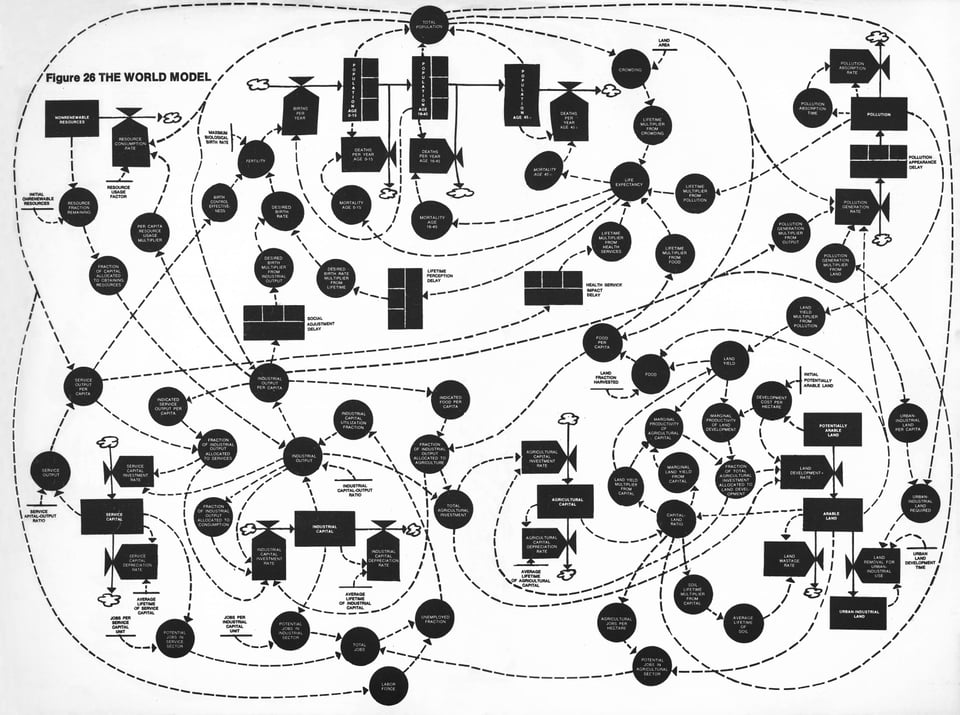
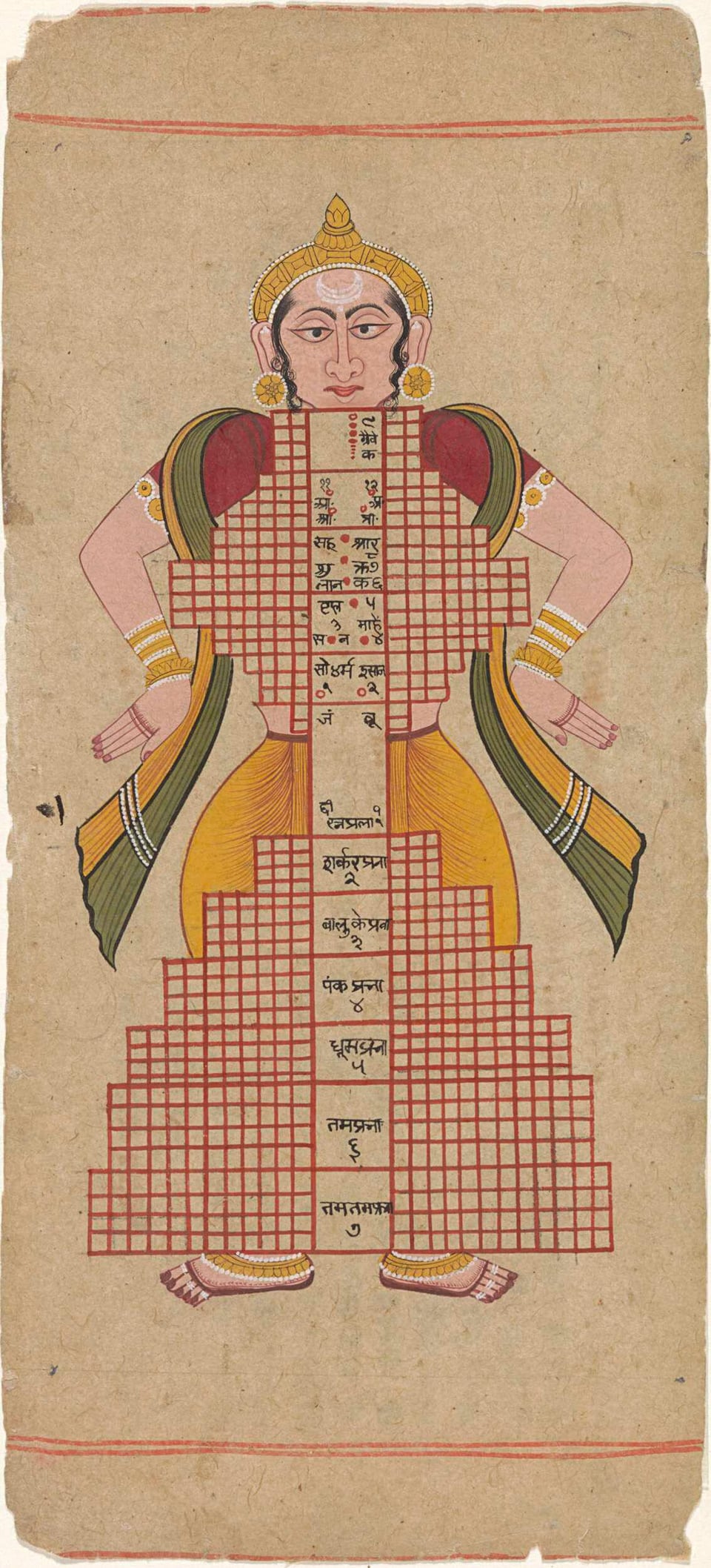
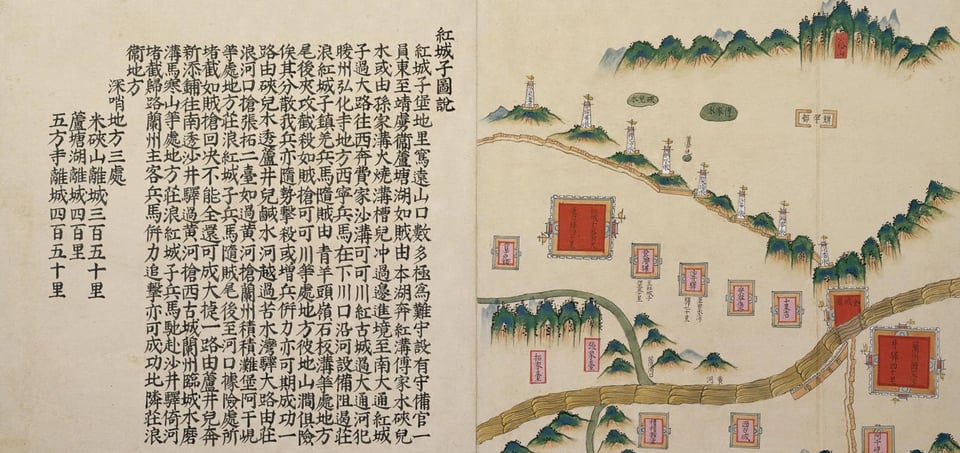
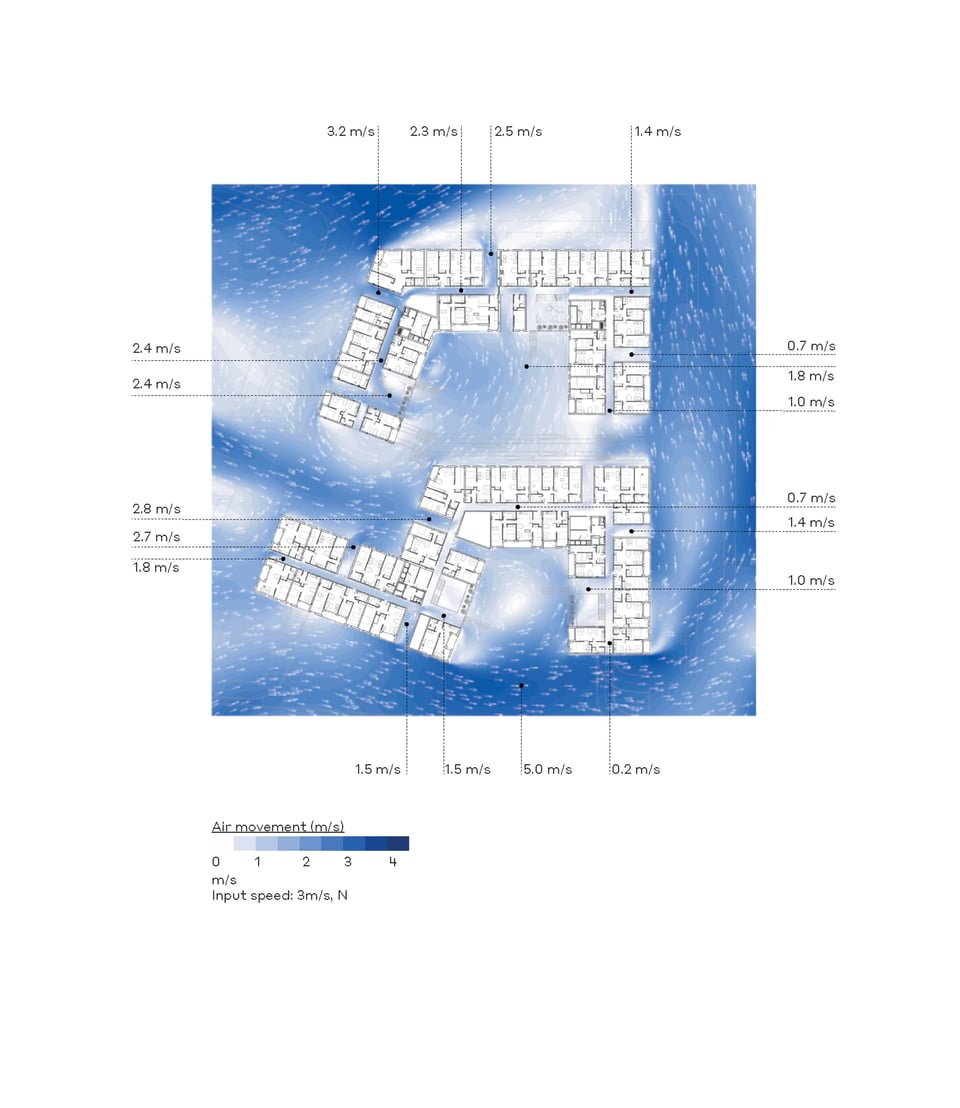
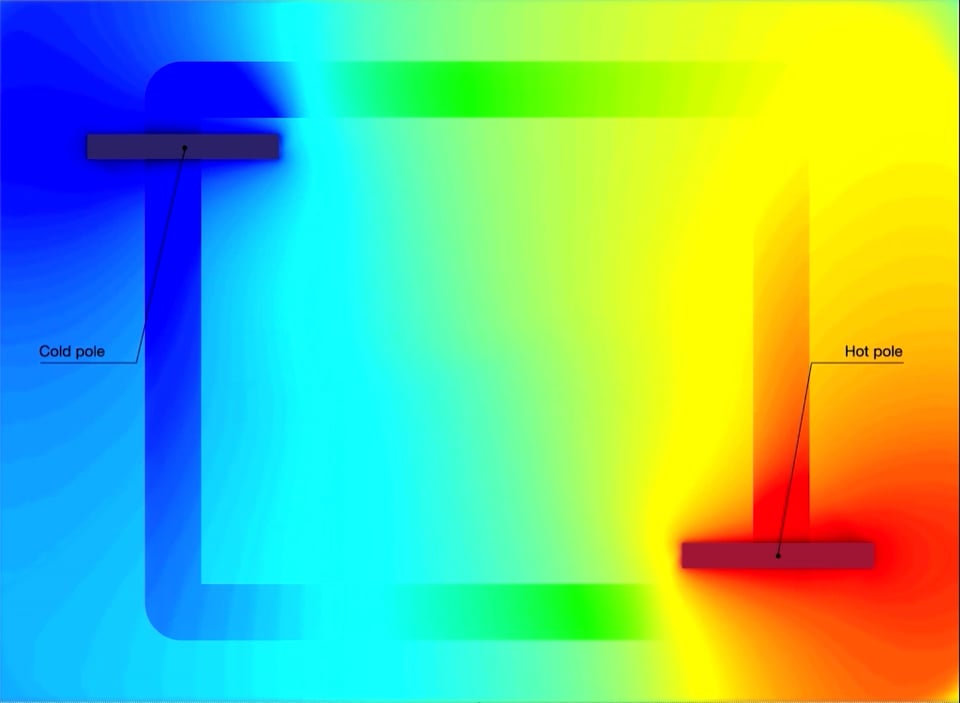
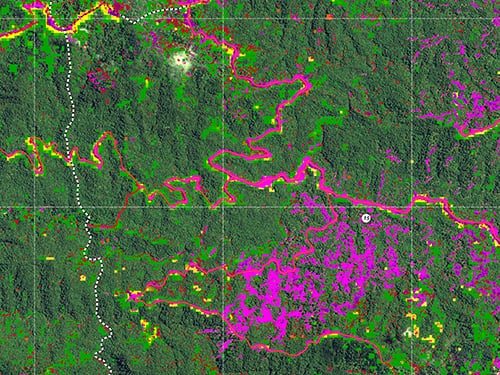
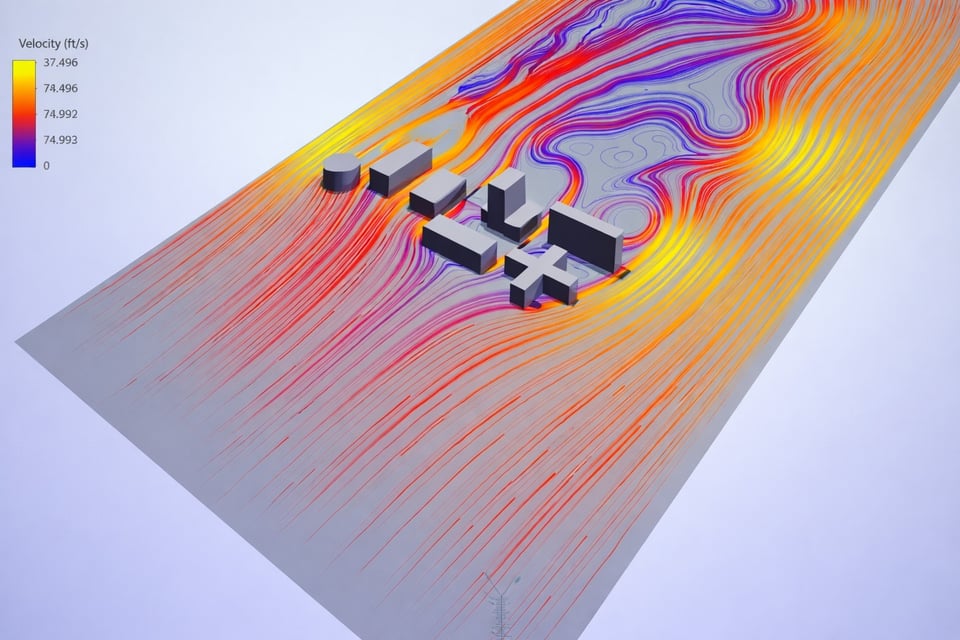
First presented at Fondazione Prada in Venice from May to November 2025, “Diagrams” investigates the visual communication of data as a powerful tool for constructing meaning, comprehension, or persuasion, an instrument for analyzing, understanding, and transforming the surrounding world.
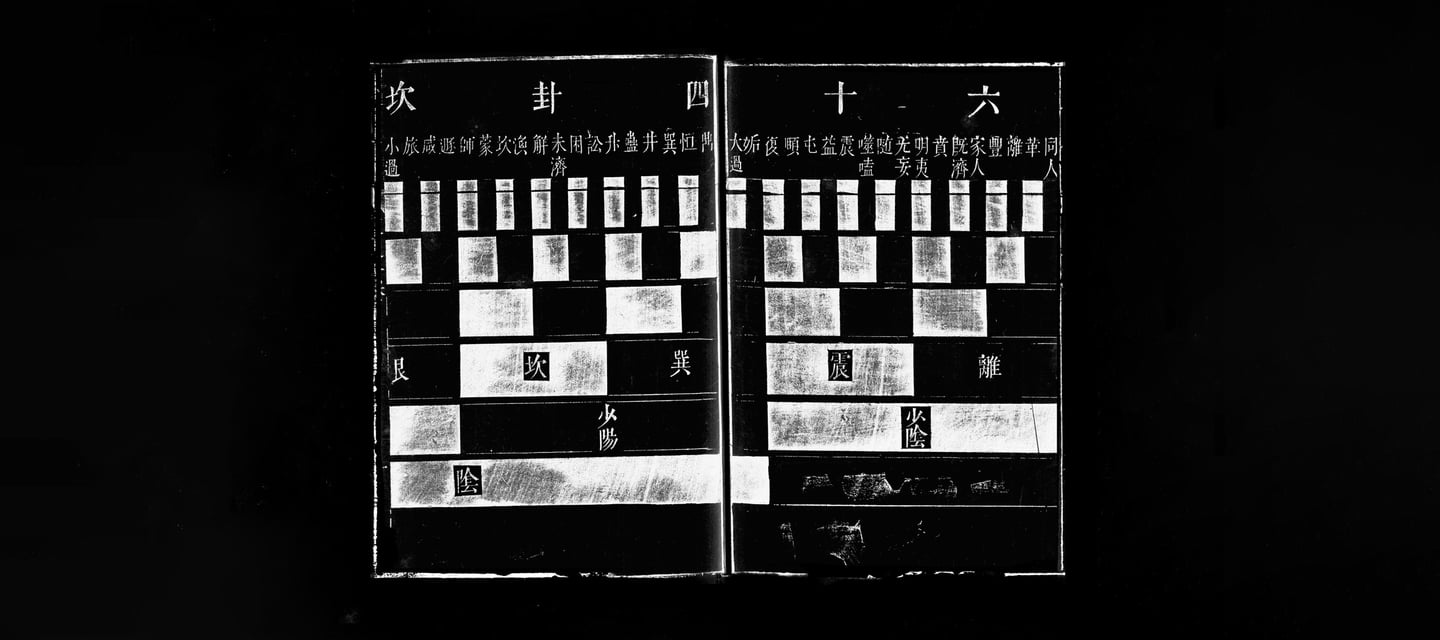
The second chapter of the exhibition at Prada Rong Zhai gathers more than 150 items sourced from the 12th century to the present day and drawn from various geographical and cultural contexts. The project benefits from the extensive research conducted by Fondazione Prada in close collaboration with Rem Koolhaas and Giulio Margheri, Associate Architect at OMA. Materials are displayed according to a thematic principle that reflects some main contemporary world urgencies and demonstrates the diagram’s transversal nature through five thematic sections: Built Environment, Body, Resources, Truth, and Value. Within each section, diagrams appear in a wide range of formats and media—drawings, books, prints, and digital contents—to highlight the evolution of data communication and how these instruments have adapted over time to different contexts, technologies, and audiences.
Two additional focuses complement these themes: the first dedicated to one of the earliest illustrated encyclopedic projects in China, the Sancai Tuhui encyclopedia (Ming period, 1368–1644), a 106-volume of the Ming period (1368–1644) and the other to the work of the African American sociologist W.E.B. Du Bois (1868–1963), renowned for his studies and infographics on African American communities in the late 19th and early 20th centuries.
Images of the exhibition