Exhibition detail
Embodied Forms
Dates
Jan 30 - Apr 11
Location
B1-1, 9 Qufu Road
Jing'an
Shanghai
Press Release
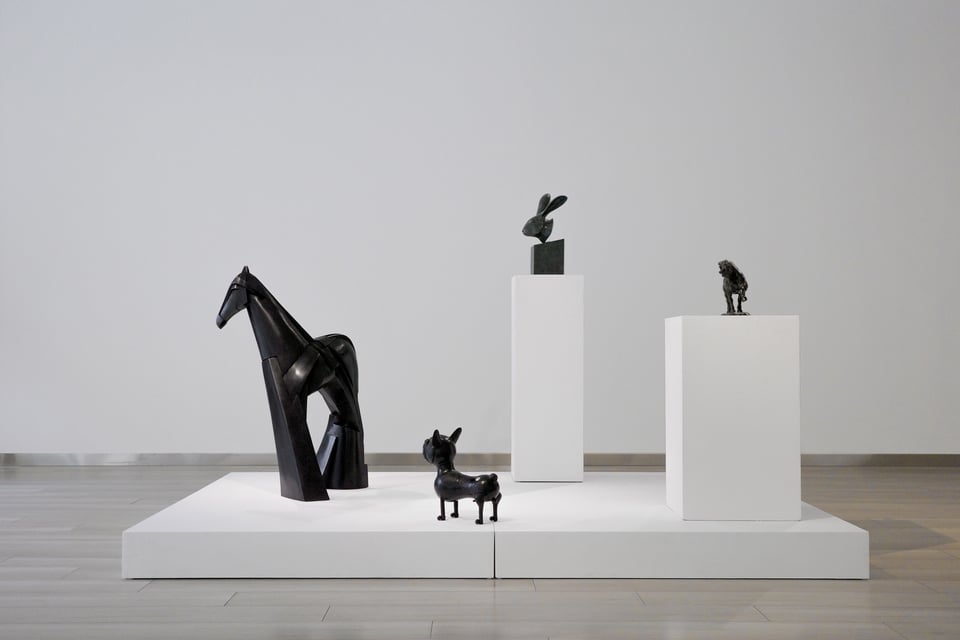
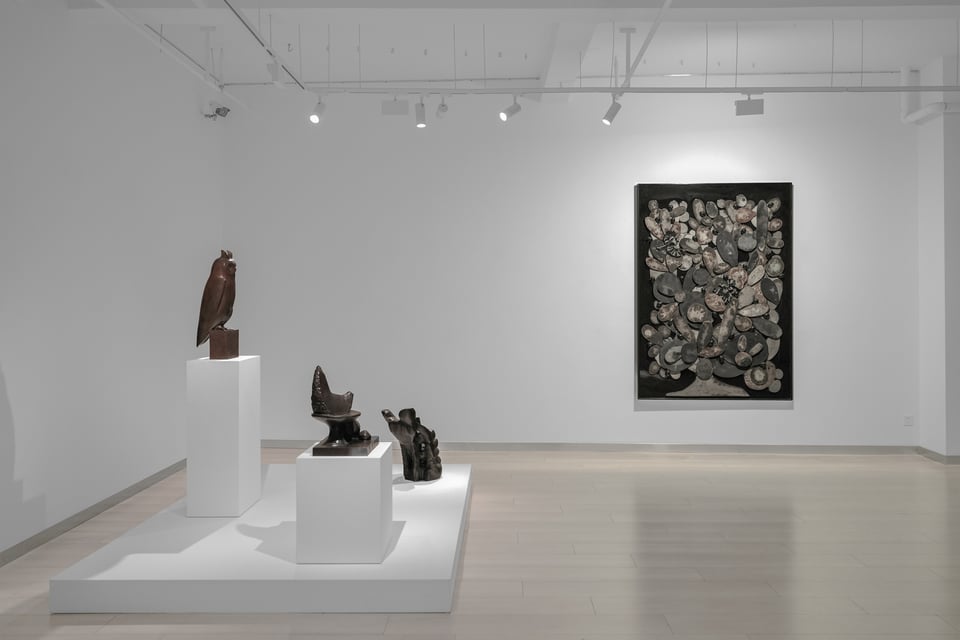
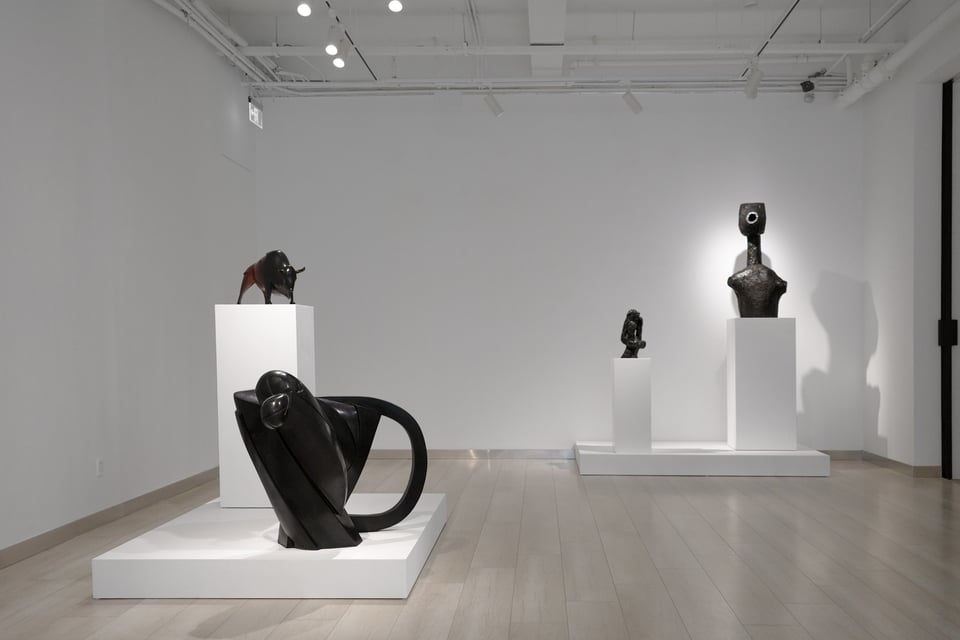
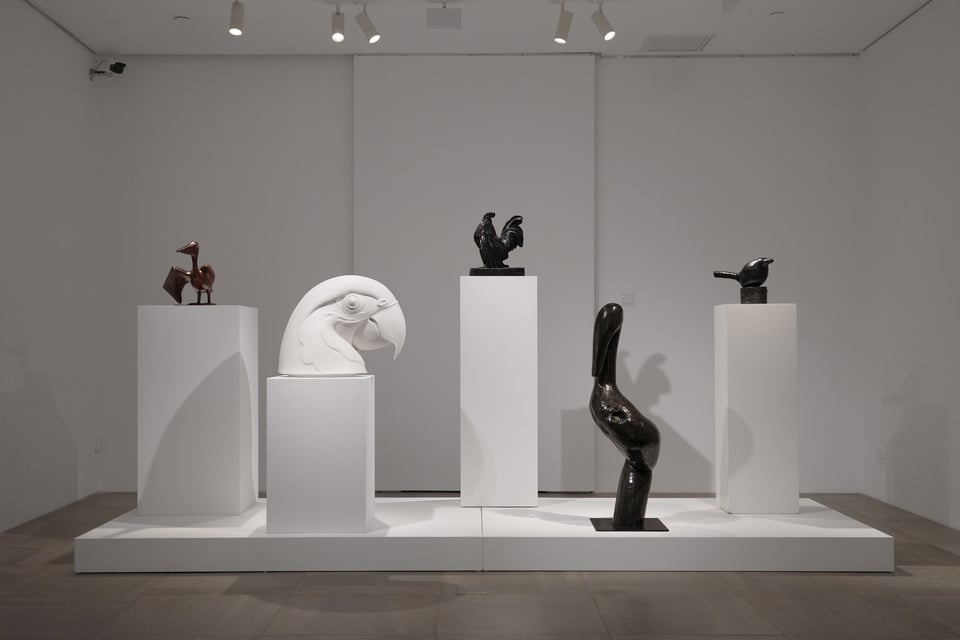
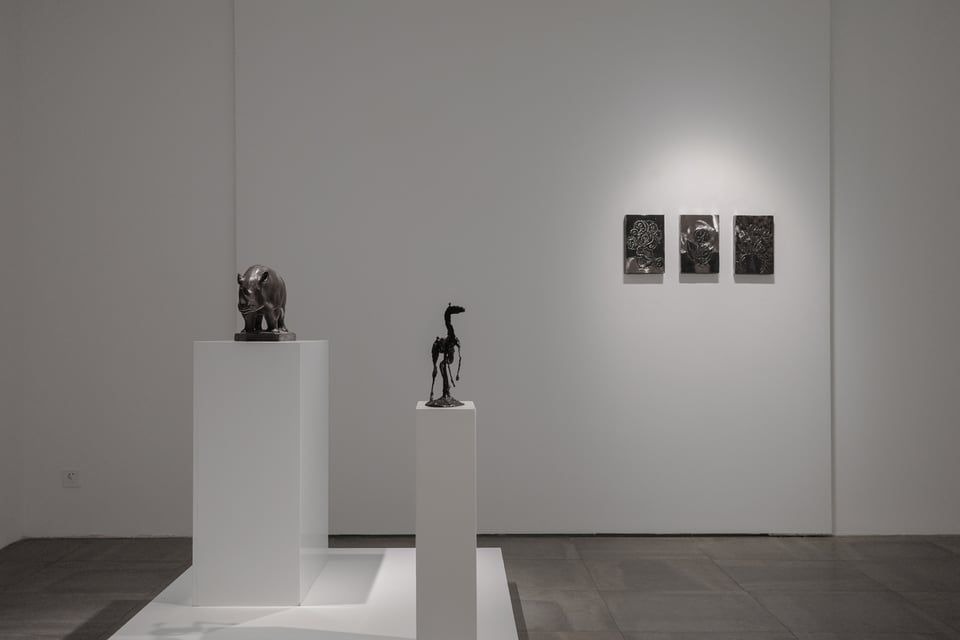
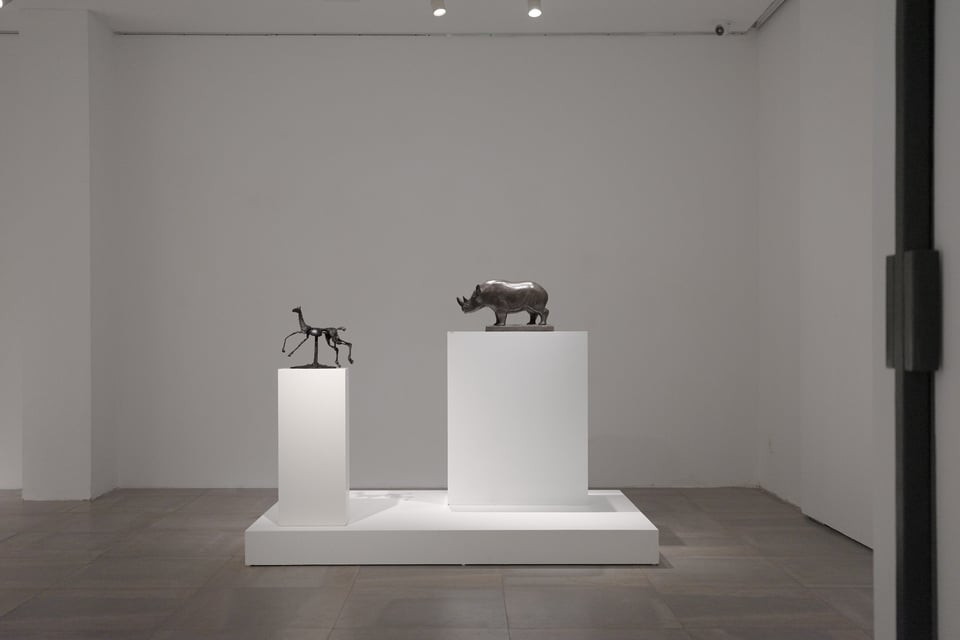
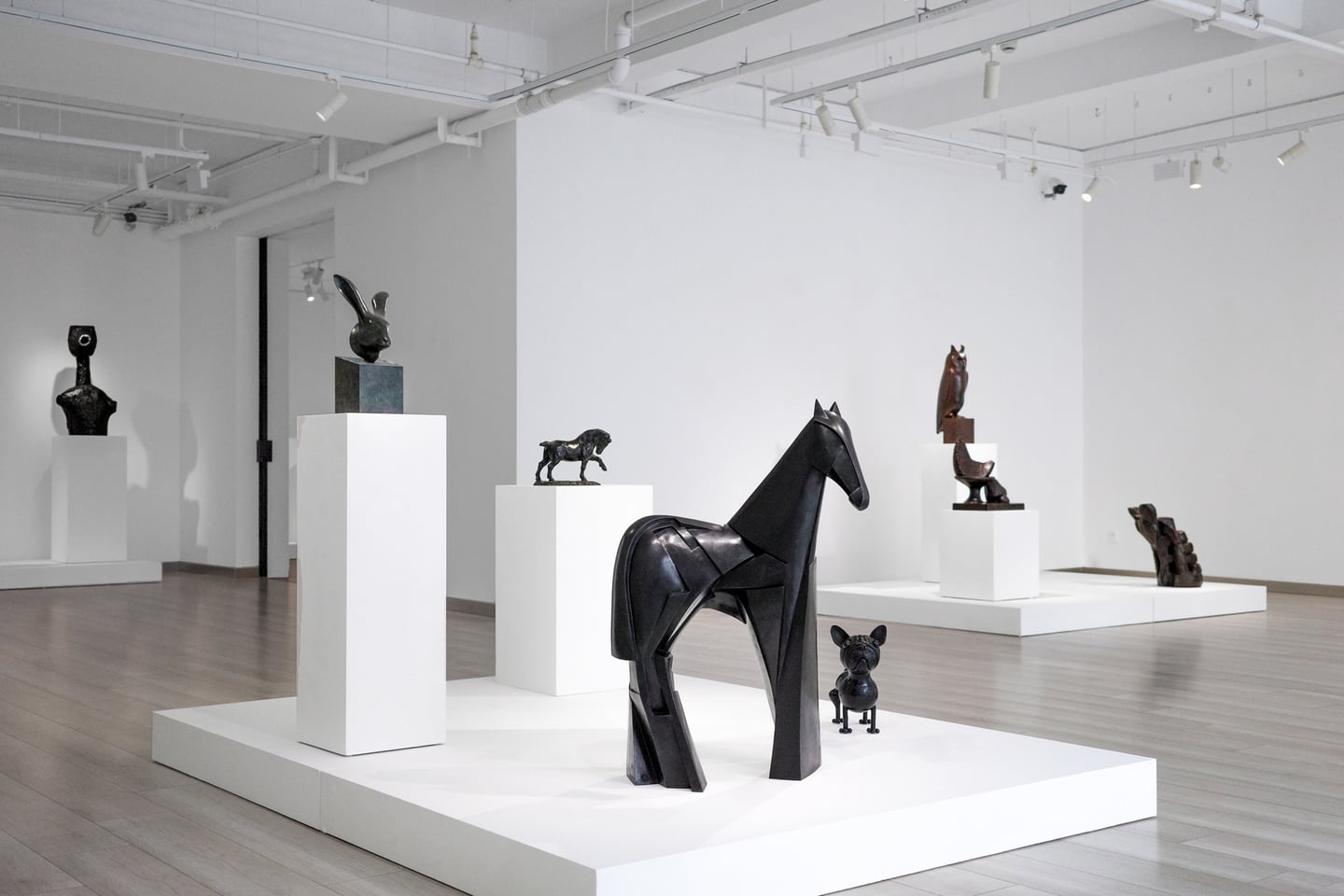
DUMONTEIL Shanghai is pleased to present the group exhibition Embodied Forms, bringing together the diverse practices of eleven Chinese and French artists who navigate the space between two and three dimensions. Through mediums such as bronze sculpture, bisque porcelain, and mixed media, the exhibition explores the extension and transformation of the French modern sculpture lineage within contemporary cultural contexts. Sculpture is the artist’s practice of endowing matter with soul. From Étienne-Martin’s tense abstract structures and spiritual spaces, to Wang Keping’s awakening of primal vitality from the texture of wood; from Robert Couturier’s modern exploration that reconstructs the human form through minimalism and suggestion, to the animal figures imbued with both sacredness and poetry in the works of Daniel Daviau and Jean-Marie Fiori—this exhibition centers on sculpture as its core medium, presenting layered resonances of form, time, and concept.
The artistic practices covered in the exhibition span different historical contexts and creative positions. French sculptors such as Raymond Bigot, Louis de Monard, and Marcel Derny, from the 19th to 20th centuries, established classic paradigms for animal sculpture in modern art history through their precise observation of animal forms and highly condensed modeling language. Meanwhile, Couturier and Étienne-Martin, in the post-war context, broke through representational traditions, transforming sculpture into a vessel for thoughts on space, memory, and existence.
In the contemporary context, sculpture is no longer confined to the construction of volume but has become an ever-expanding language. Wang Keping’s sculptures fuse the subtlety of traditional Chinese aesthetics with the formal explorations of French modern sculpture, pointing to the primal forces and deep resonances of life. Jacques Owczarek takes animal imagery as his vehicle, reshaping the contemporary possibilities of bronze sculpture through angular and curved lines. Matisse Mesnil and Ugo Schildge move between painting and sculpture, reexamining relationships among frame, surface, and space through the interweaving of industrial materials, natural mediums, and traces of manual labor, placing their works in an undefined liminal state.
Titled Embodied Forms, the exhibition not only refers to the physical act of shaping but, more profoundly, to the materialization of spirit—how artists transform inner philosophical thoughts, emotions, and life experiences into tangible, touchable three-dimensional existences. The works engage in dialogue between volume and lightness, nature and civilization, stillness and fluidity. Space is no longer a neutral container but is activated and defined by these forms endowed with life. In this three-dimensional narrative spanning eras and cultures, sculpture returns to its most essential proposition—how form carries thought, and how matter leads to eternity.
Images of the exhibition