Exhibition detail
Huang Guaier: Sleeping Gods
Dates
Jul 4 - Aug 29
Location
Unit 10, B1 Floor, Lane 9, Qufu Road, Jing'an District, Shanghai
Jing'an
Shanghai
Press Release
Images are undoubtedly more saturated than ever in today’s mundane life, contributing to every level of communication, information exchange, and concept formation. We question them, we generate them, and we consume them. We are on the verge of revaluation for the visible and the believable boundaries. The digestion of images has become inevitable, but the short-circuiting of image-producing processes by machines and algorithms creates a cultural “constipation” in our value system.
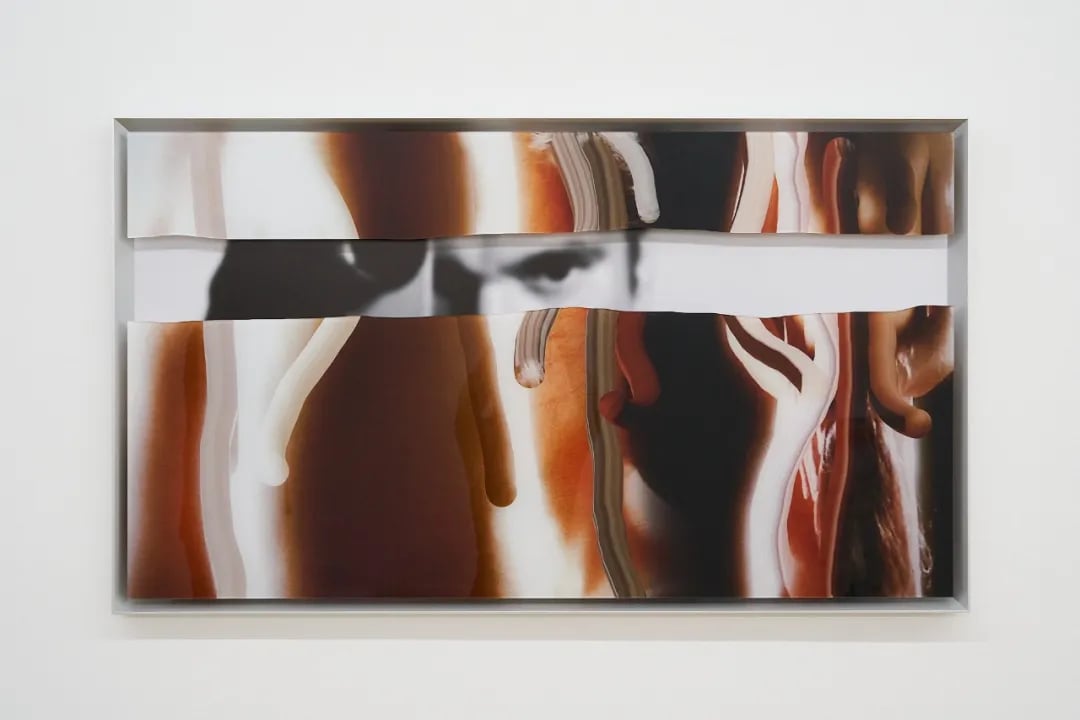
Throughout her practice, Huang Guaier has been concerned with issues of existing systems of knowledge, the mechanisms of image production and representation in our society, and their effects on the individual body. Using photographic medium as her entry point, she addresses the ideology behind concept formation, exploring how it is tied to systems of categorization and how the world is defined by the human mind that oscillates between language and imagery.
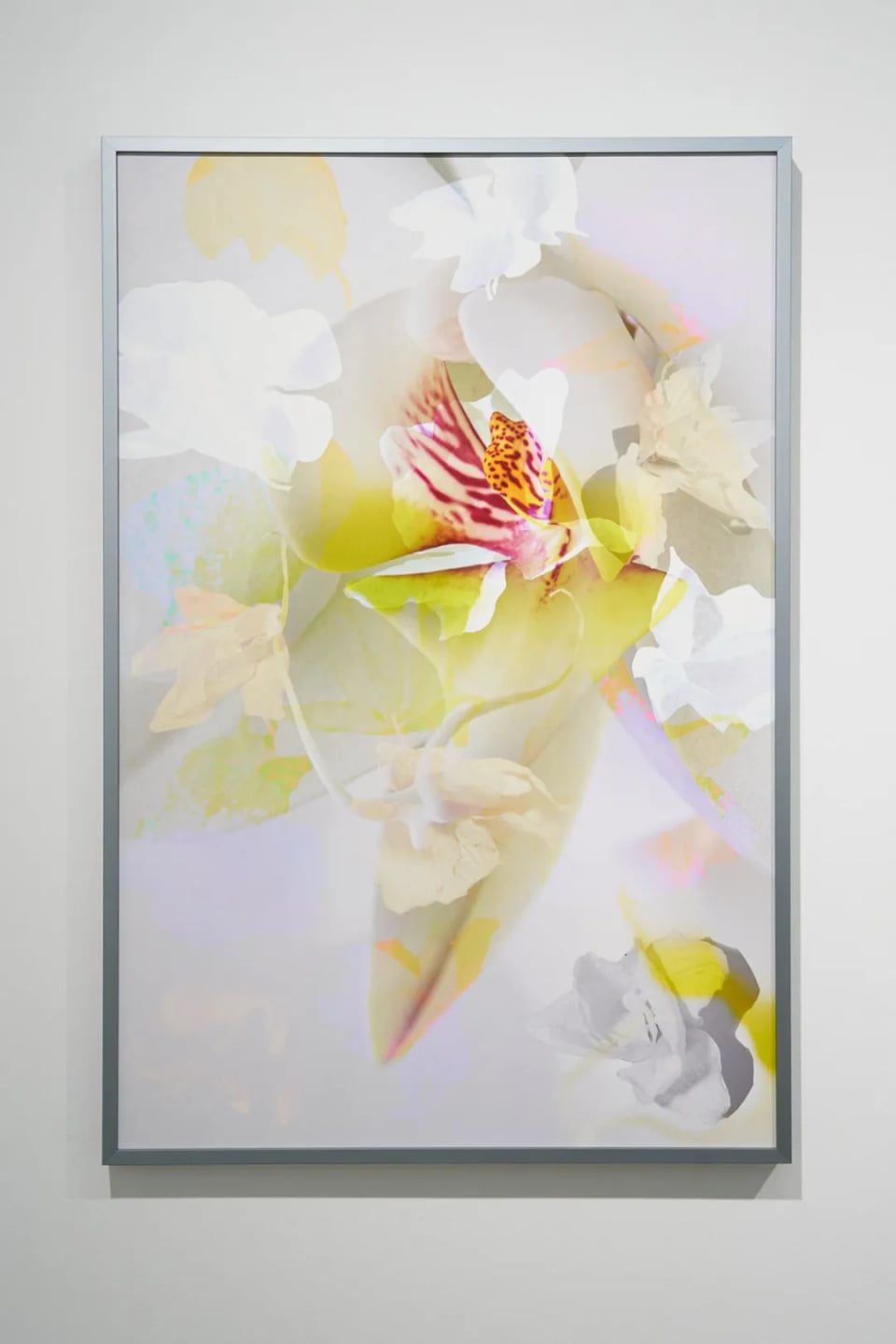
Camera, often seen as a phallic resemblance that performs the male gaze or a violent, invasive act (i.e., Susan Sontag’s metaphor of “load, aim and shoot”), has been a troubling apparatus that exerts power and reinforces hierarchies. For Huang, to subvert the photographic system is to subvert the patriarchal, ocular-centric power structure. Democratized images provide the alchemical materials for her work, as they range from ancient Greek sculptures to your grandparents’ favorite orchid photos.
Within those photographs, the figure of Hermaphroditus serves as an undertone of the exhibition and a conceptual cue for the audience. In classical Greek mythology, Hermaphroditus was the son of Hermes and Aphrodite. They fused with the nymph Salmacis into a single being possessing both male and female physical characteristics. It is effortless to regard this classical figure as a symbol of androgyny, the nonbinary, intersexuality, love, or lust, but rather, it is quintessential to point out the monstrosity within the narrative.
Throughout history and in contemporary culture, we as a society keep coming back to the construal of monstrosity. This recurring interpretation is not only because it is a response to the uncertainty and ambiguity, but also a direct reflection of our own anxieties about the fragility and instability in our systemic categorizations about almost anything - whether of gender, sexuality, ability, class, race, aesthetics, or taste; moreover, anxieties encompassing the self and existence.
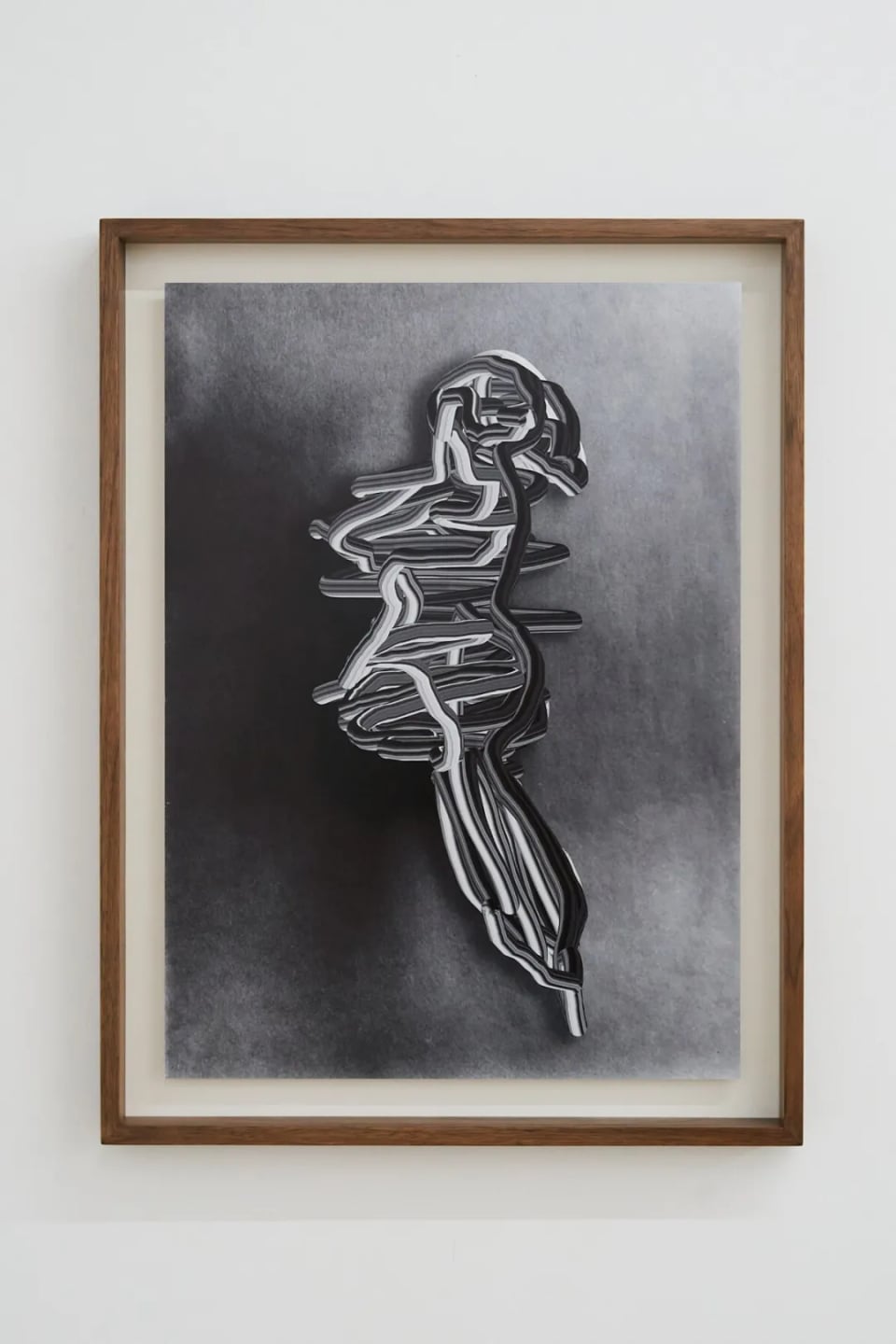
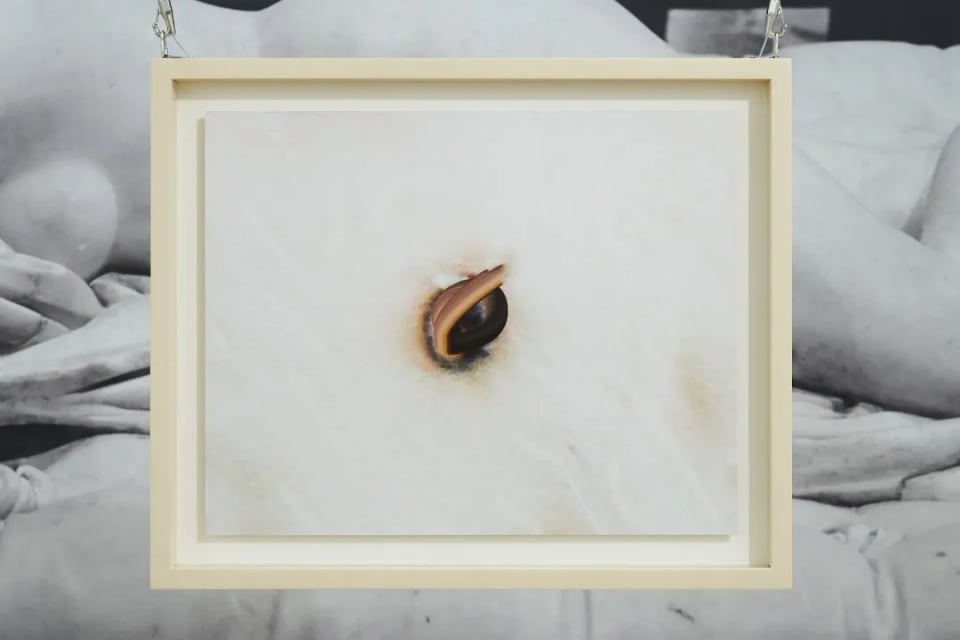
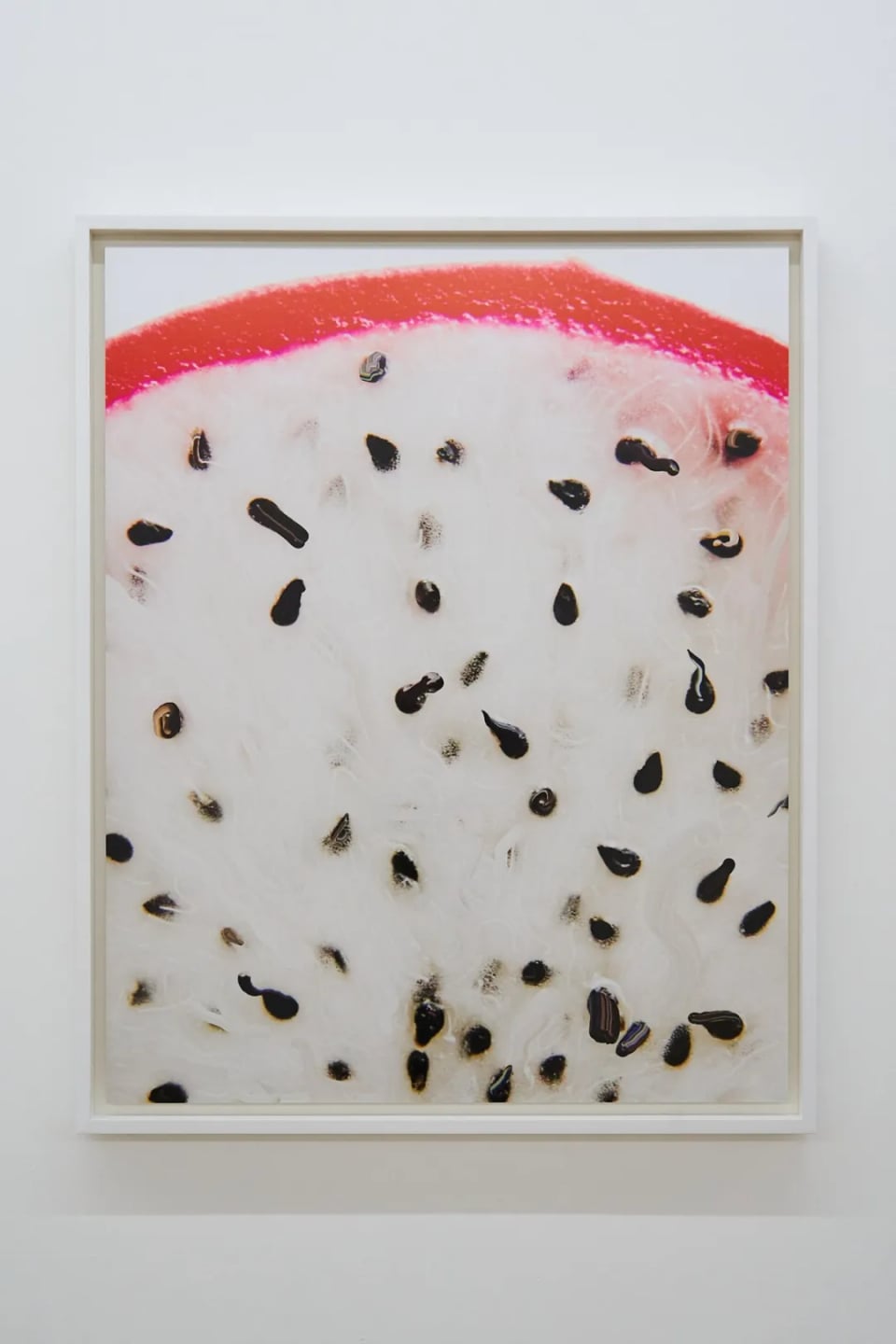
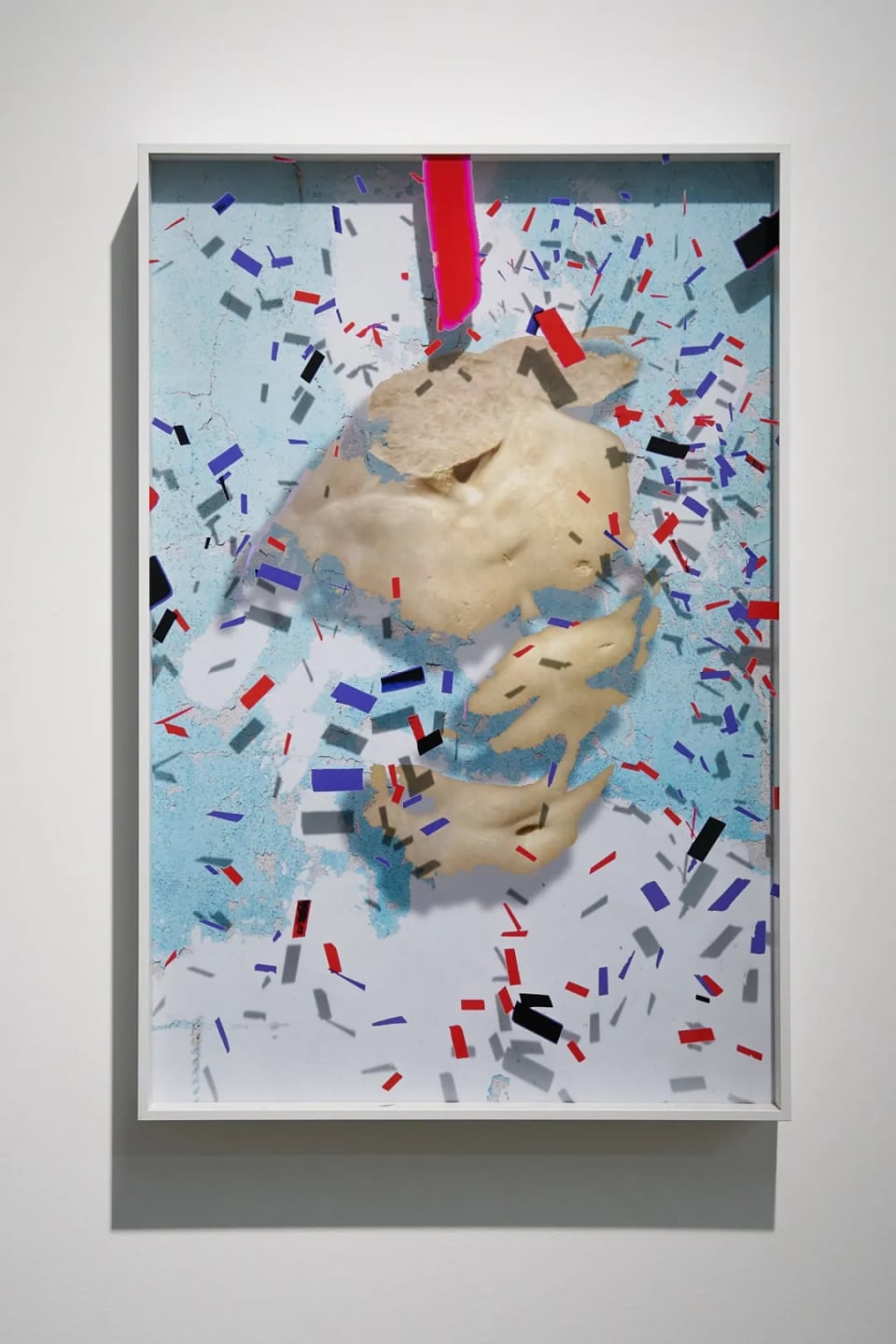
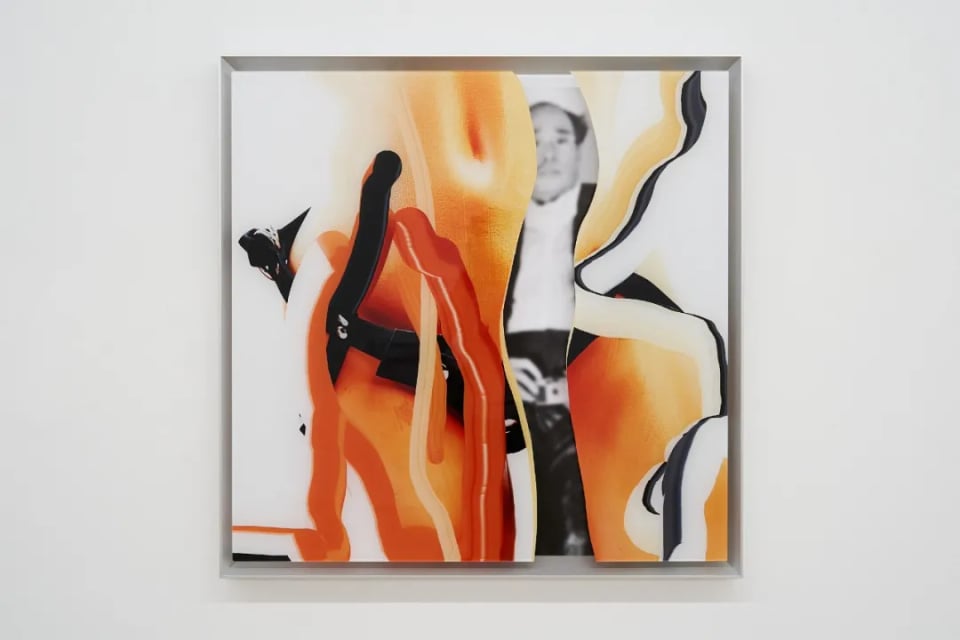
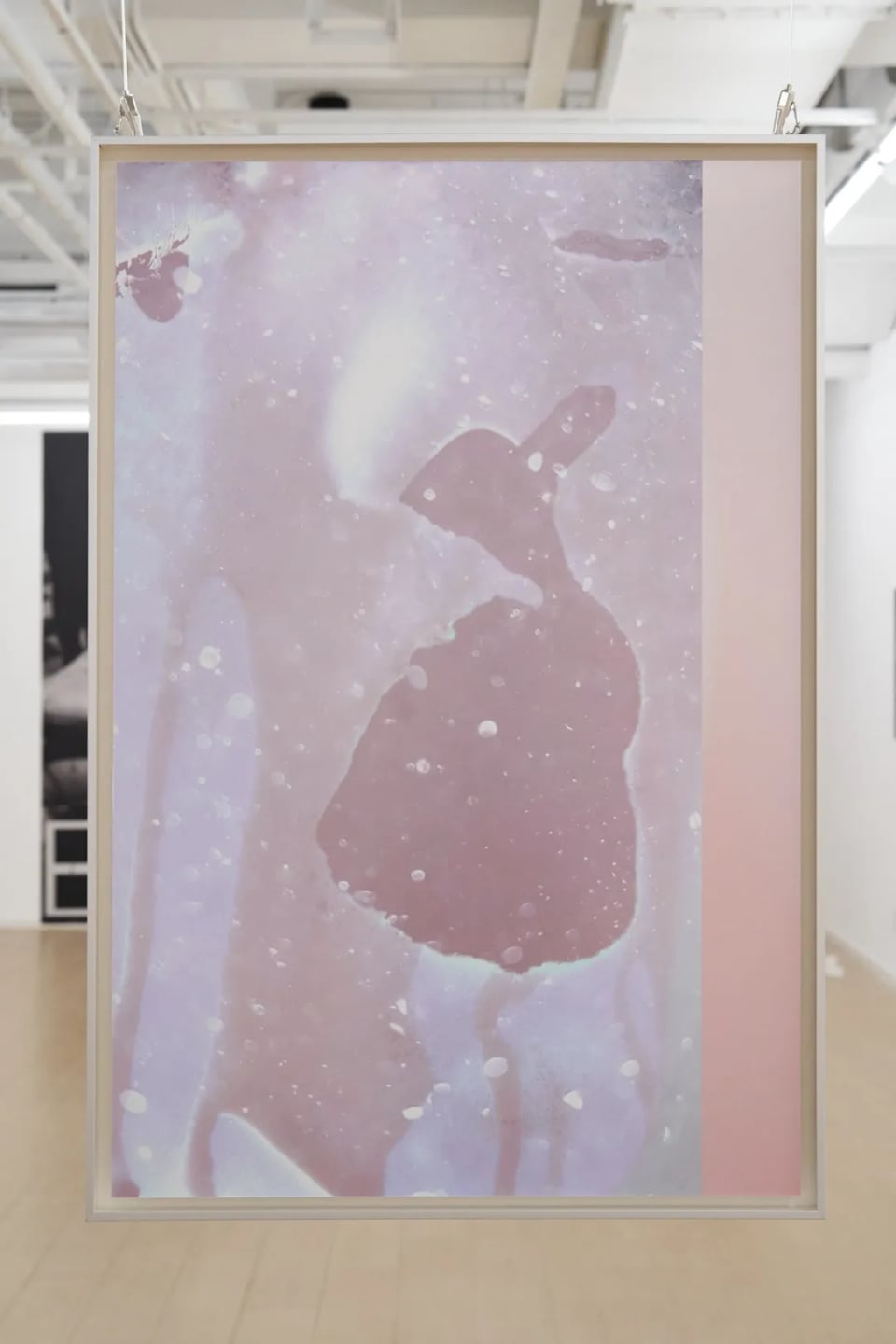
What’s interesting is, in art history, this hybrid body was never presented as something evil or ugly, but as an exposure and celebration of the collapse of binaries. In this exhibition, monstrosity is represented more in a metaphorical way than a literal or stylistic way. The boundaries of the bodies and objects are fragmented or corroded, with attributions that almost imitate the monster beings - with boundary-transgressing, character-blurring, hybrid qualities.
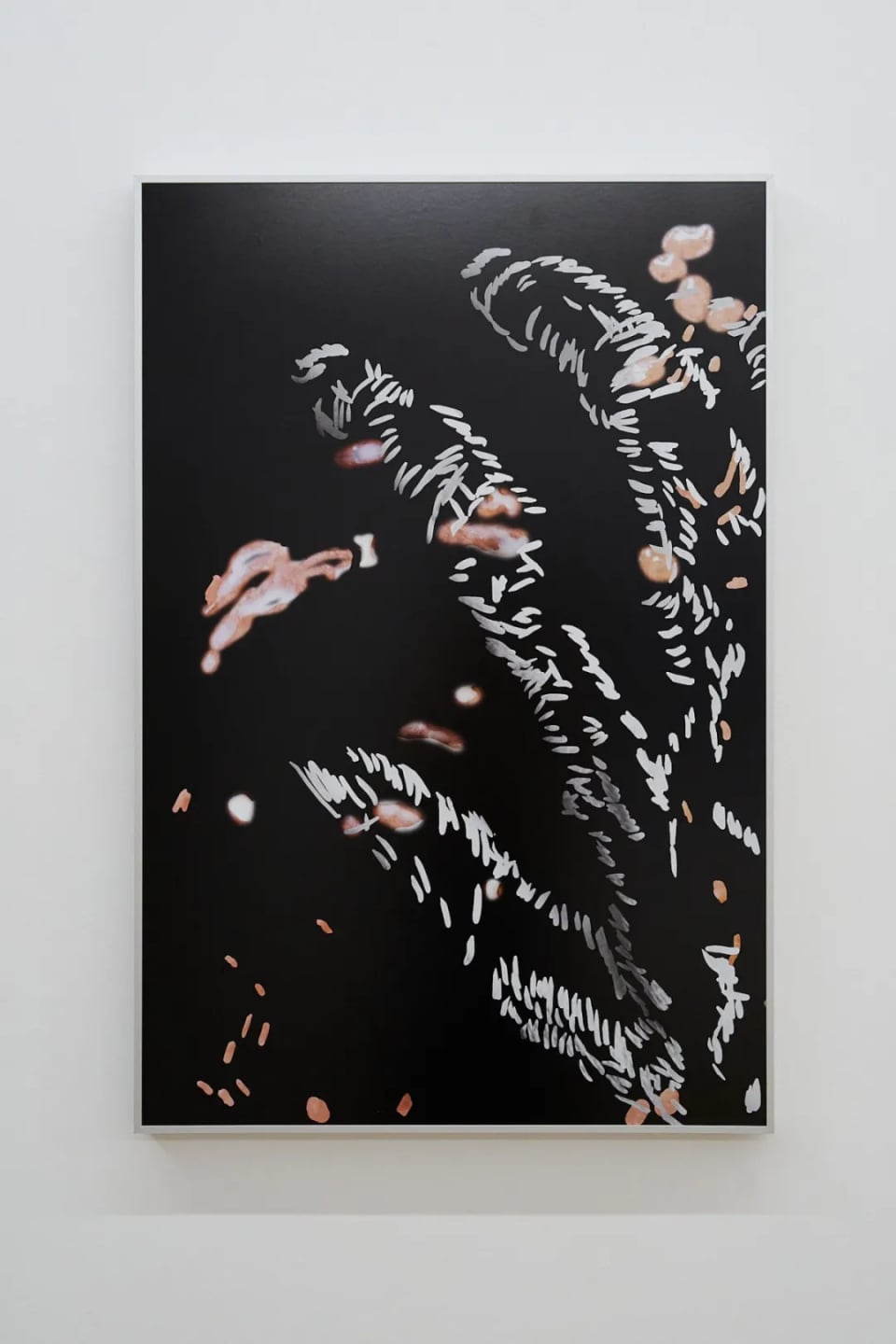
Huang’s pictures explore haptic visuality, which is a theme emerged in her practice since 2017, that forces the eyes to embrace the texture and the skin of the work. This kind of destructive act on the imagery is also a poetics of resistance, a resistance from the Other, and an iconoclastic liberation from systems of domination, inviting the audience to see beyond the mere superficiality of our visual culture, to heal the trauma of marginalization caused by secluded oppressions, and to invigorate our embodied experiences in these unsettling fissures.
Images of the exhibition