Exhibition detail
Invisible Infrastructure
Dates
May 9 - Jun 7
Location
4F, Ecole Primaire de Lagrené, No.19, Ji'an Road
Huangpu
Shanghai
Press Release
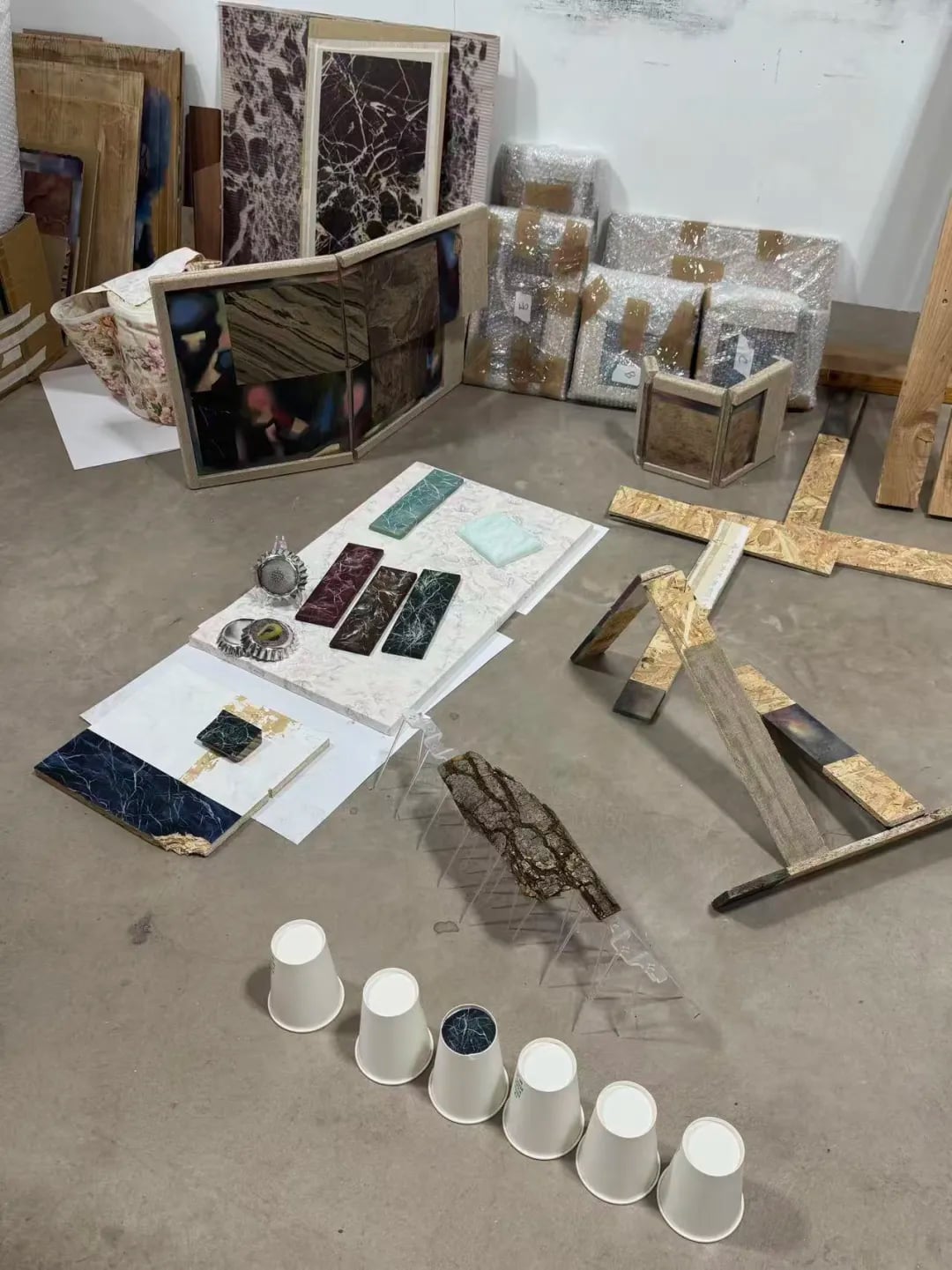
Invisible Infrastructure, a group exhibition presented by HOL in May 2026, brings together works by five artists: Feng Zhixuan, Huang Juan, Lin Jiaxuan, Shao Fengtian, and Yao Tiao. Through fragmented material practices, these works draw attention to invisible structures that exist at the edge of vision, yet continue to silently support everyday perception.
Here, “infrastructure” does not refer to urban engineering or public facilities, but to the underlying conditions that allow images, objects, and narratives to appear as they are — undefined micro-orders situated outside the center, difficult to fully identify precisely because they do not occupy the core of the narrative. Rather than emphasizing the completeness of images, the five artists attempt to make the infrastructure and cognition that recede into the background visible and perceptible. When vision is no longer guided by a clearly defined central image, the hidden relations of dependence between different parts can begin to emerge.
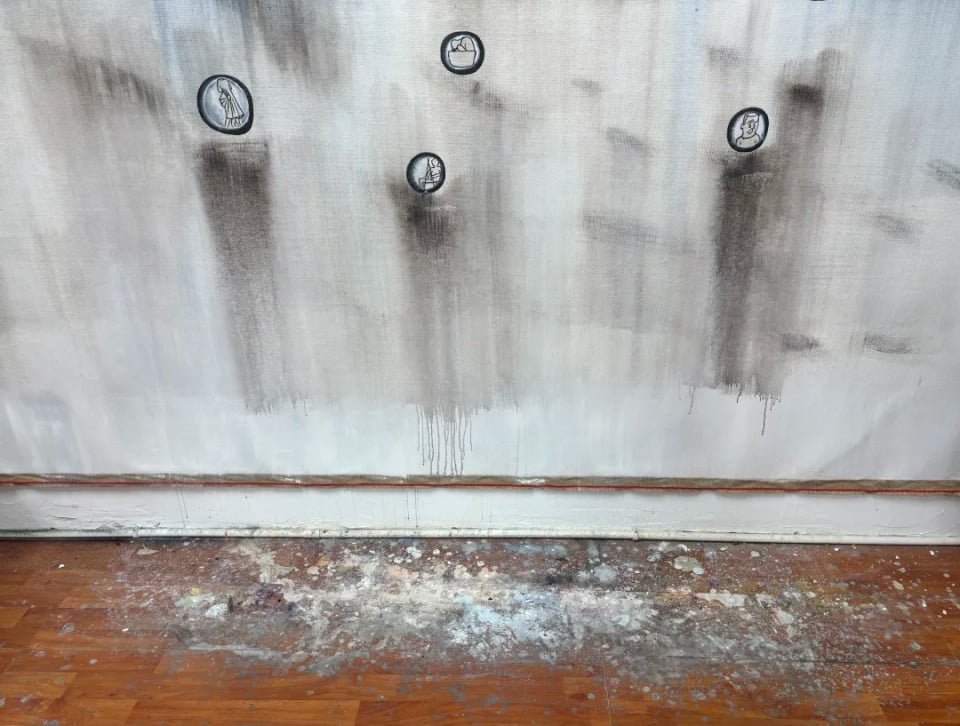
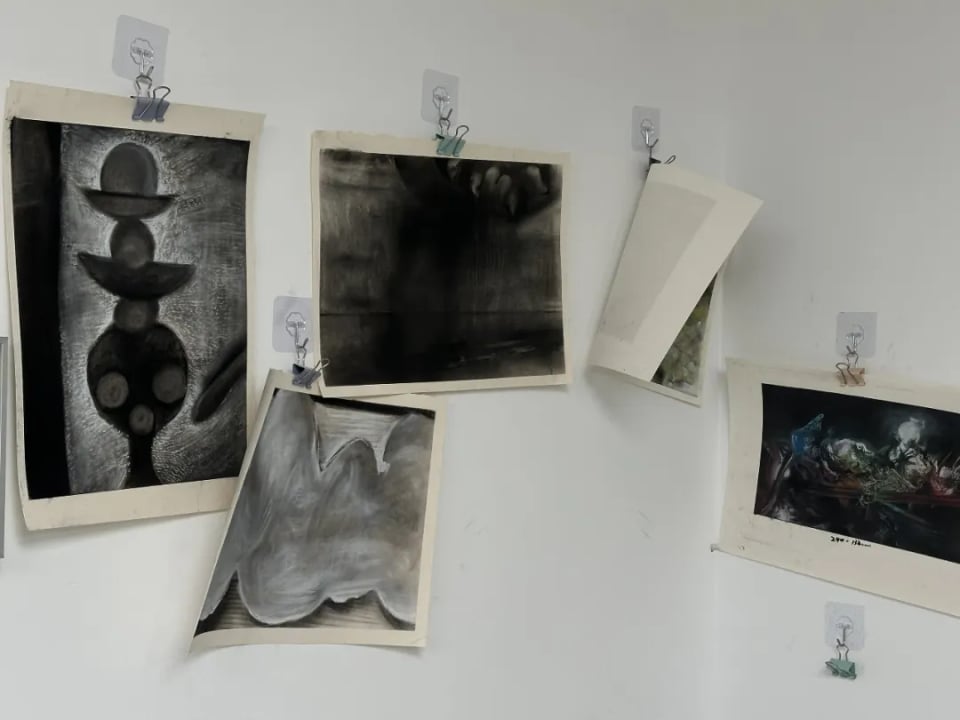
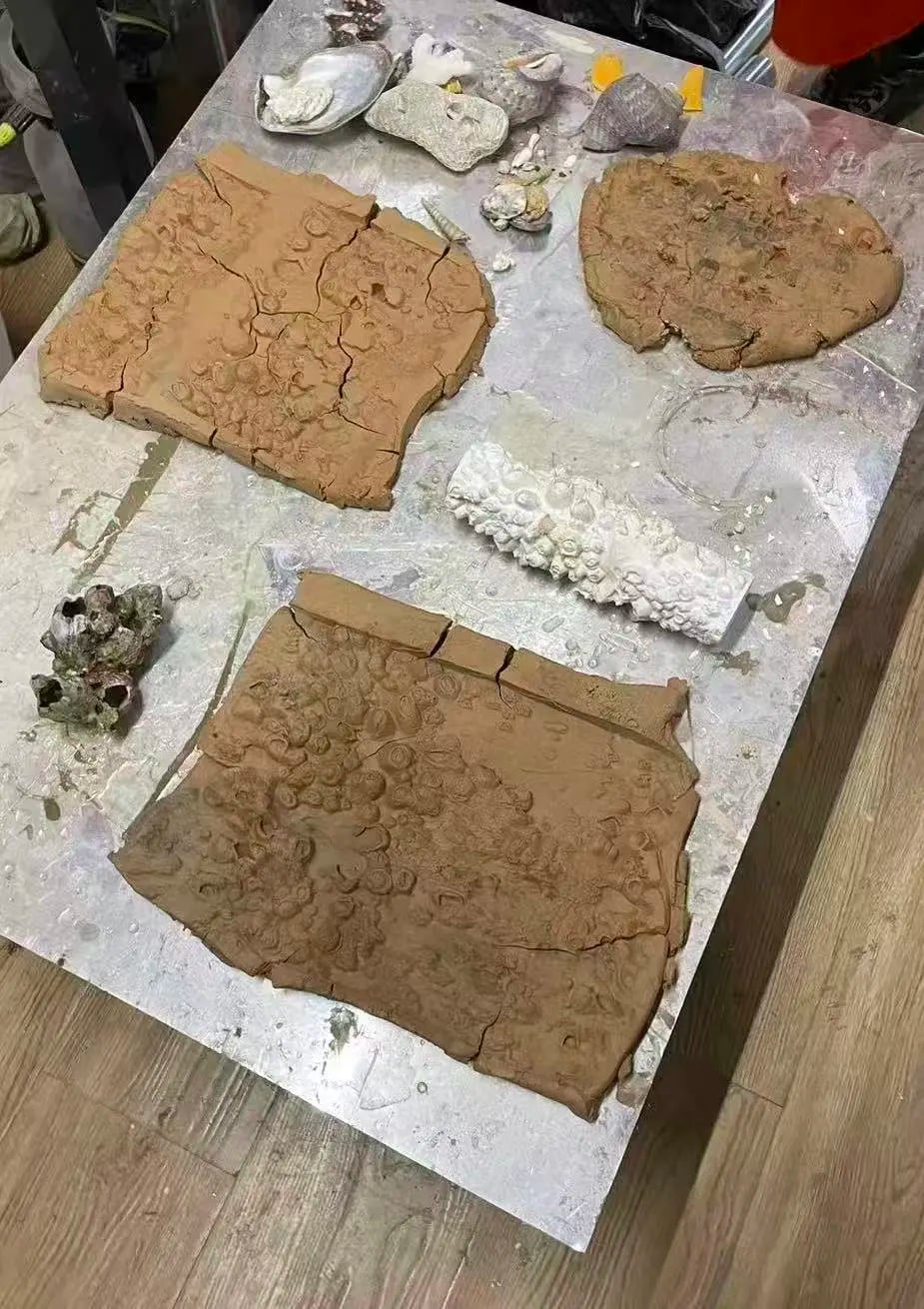
In these works, the materiality of materials is continuously amplified. Through acts of concealment, folding, assemblage, and cutting, the artists allow materials to break away from their role as carriers of meaning and instead become the primary site where an “event” takes place. This process does not point toward an already completed object; rather, it allows the act of presentation itself to become the true content of viewing. What the viewer encounters is often not a nameable image, but traces, contingencies, and material states that have not yet arrived at the moment of formation.
In this way, the viewer and the artists together complete a form of “uncertain viewing”: gradually moving away from the cognitive habit of relying on “recognizability” as a form of certainty, and clarifying the meaning of the work through continuous acts of capture and understanding. When infrastructure completes its shift from the “invisible” to the “visible,” we come to realize that the “center” is itself merely a constructed visual order. When we are “thrown into the world,” what we are thrown into is not a fixed collection of ready-made objects, but a series of relationships that are constantly taking shape and unfolding.
Within the open field of Invisible Infrastructure, the world is no longer understood as a static collection of clearly defined objects, but as a relational network that is continuously forming and constantly being rewoven. What the exhibition is concerned with is the very process through which appearance itself becomes the work.
Images of the exhibition