Exhibition detail
Kawita Vatanajyankur: Memory Machine
Dates
May 8 - Oct 12
Location
No.8, Lane 123, Panding Road, Qingpu District, Shanghai
Qingpu
Shanghai
Press Release
From May 8th to August 30th, 2026, Yuz Museum is pleased to present Memory Machine, the first solo exhibition in China by Thai artist Kawita Vatanajyankur. This exhibition also marks her first major institutional presentation globally in nearly four years. Featuring six representative works created between 2018 and 2025, it offers an in-depth survey of her long-term observations and critical reflections on the continuous evolution of human labour. In "Memory Machine," her latest series commissioned by Yuz Museum, she pivots her creative focus from "machinized human" to the exploration of "humanized machine." This shift not only extends her investigation of human self-alienation, but also delves into how artificial intelligence and digital heritage reconstruct human memory and emotional boundaries within a post-human context, fostering a more universally spiritual "connection."
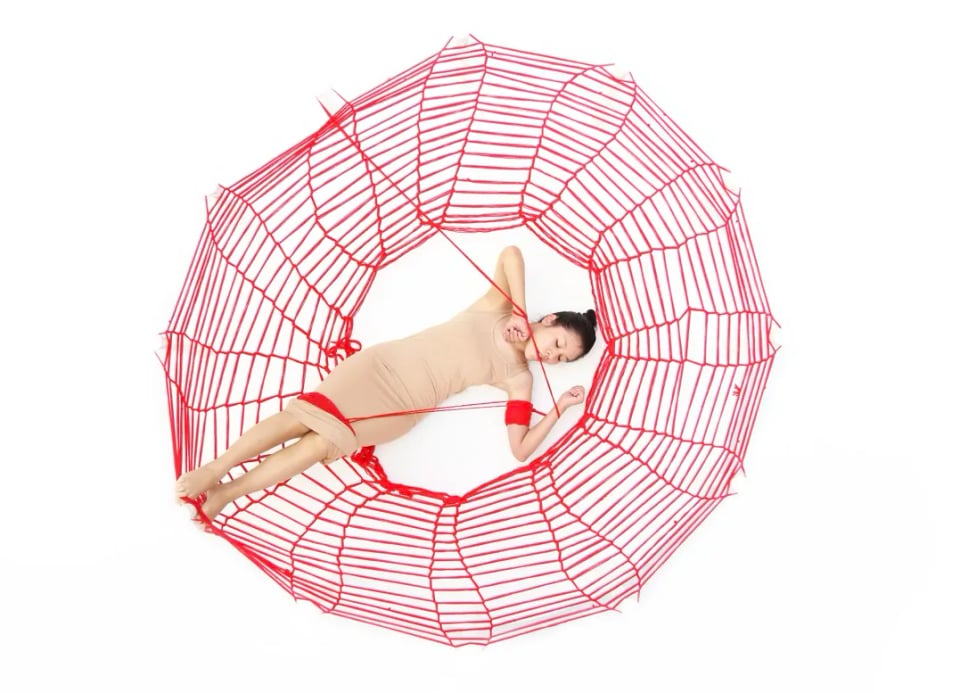
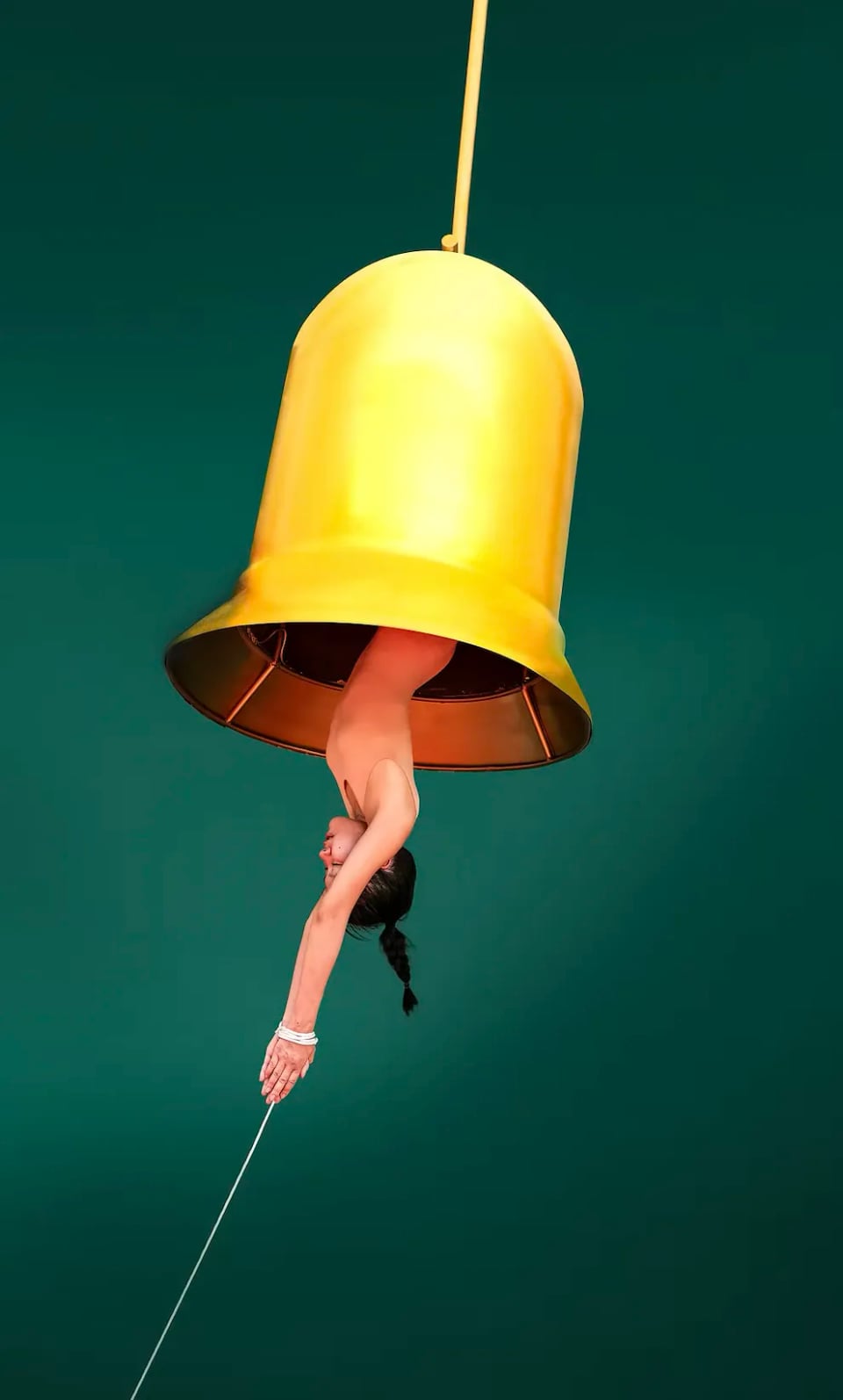
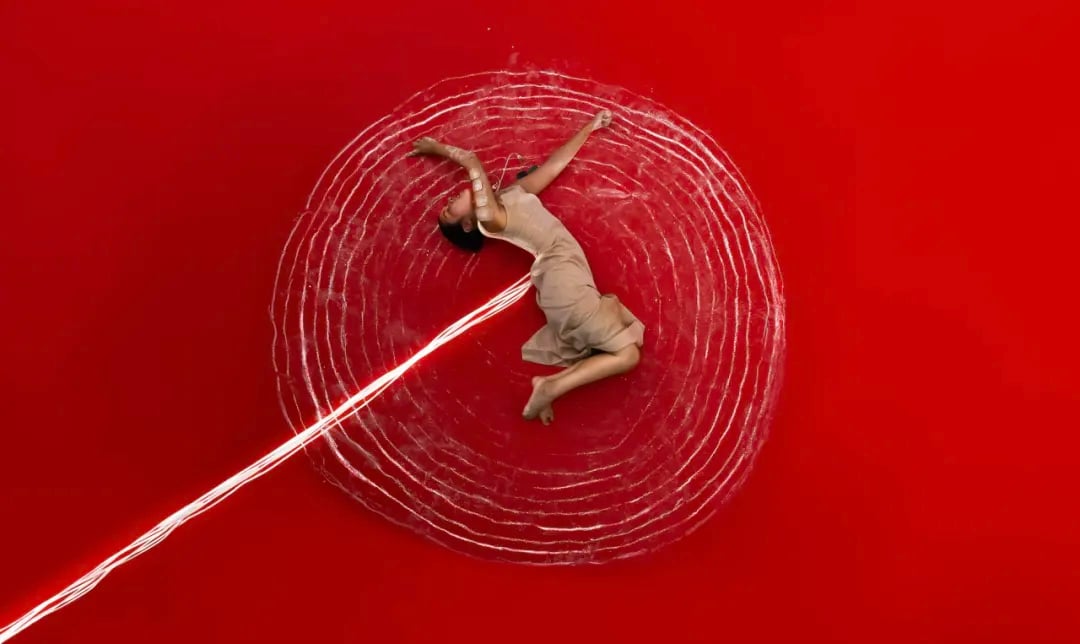
At the intersection of labour, gender, and technology, Vatanajyankur's practice consistently employs her own body as a medium to reveal structural injustices and systemic imbalances in contemporary society—often obscured by the veneer of daily life and consumerism. In her early series such as "Tools," "Performing Textiles," and "Fieldwork," she objectifies herself as household, textile, or agricultural implements, mimicking relentless operation of machinery through distorted postures and repetitive movements. These performative videos are characterized by a highly recognizable visual language of vibrant colors with high-saturation and minimalist compositions. This is not only a natural choice after Vatanajyankur's early studies in painting and her connection with film influenced by her family, but also a carefully orchestrated aesthetic strategy: she deliberately imbues her works with a dazzling tension, like commercial advertisements. By doing so, she lures the viewer's gaze beyond the seductive surface to confront the core of the work. Beneath the alluring visuals, she tears apart the layers of reality hidden behind social structures and consumerism, sharply criticizing the inhumane state of women and working-class labourers, who are objectified and mechanized, as well as the systematic neglect, underestimation, and exploitation of their labour within the "invisible structures" of domestic life and society. This unwavering pursuit of justice and fairness forms the unshakable foundation of her work. Moreover, her practice goes beyond mere imitation of labour or the plight of labourers, but rather a way of "bodily autonomy" and introspection, reclaiming self-identity and self-recognition through the continuous limit testing of physical endurance.
In recent years, Vatanajyankur has shifted her focus from revealing the alienation of humanity through "mechanization" in traditional manual labour, to exploring how technology reshapes labour and dominates human behavior and psychology in the digital age. In collaboration with Pat Pataranutaporn from the MIT Media Lab, her "Cyber Labour" series utilizes AI and electrical muscle stimulation to directly manipulate her body, transforming herself into a human-machine hybrid. In The Machine Ghost in the Human Shell (2024), as electrical pulses distort her movements and the voice of AI permeates her thoughts, Vatanajyankur continuously resists the control exerted by the AI-driven machine through acute self-perception and self-awareness. As a metaphor for humanity's struggle against the surveillance, exploitation and domination of networks and algorithms, she questions whether this fusion of human and machine is a path to liberation or evolves into a new pervasive yet ubiquitous form of oppression.
Through the creation of these works in "Memory Machine," Vatanajyankur explores the co-existing dimensions between human and machine where the "machinized" body becomes an orchestrating vessel of the past, evoking buried memories to be reconciled, acknowledged and accepted. She also invites us to further reflect on how individuals find and define their own existence in this digital reality.
Images of the exhibition