Exhibition detail
Of Woman Born
Dates
Jun 13 - Jul 26
Location
No.5, Lane 386, Changle Road, Huangpu District
Huangpu
Shanghai
Press Release
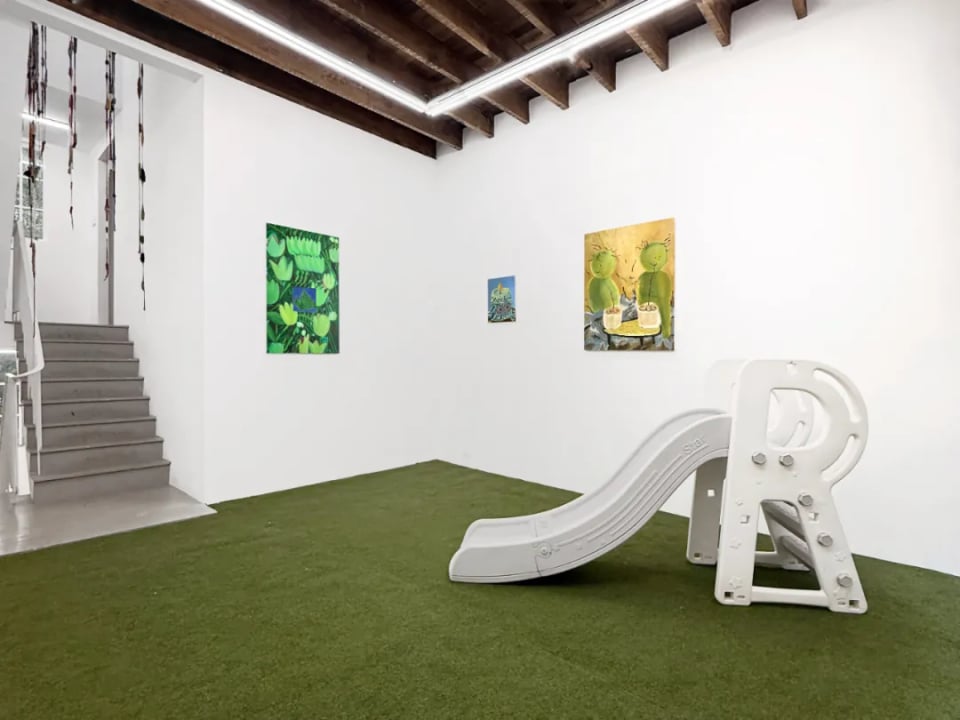
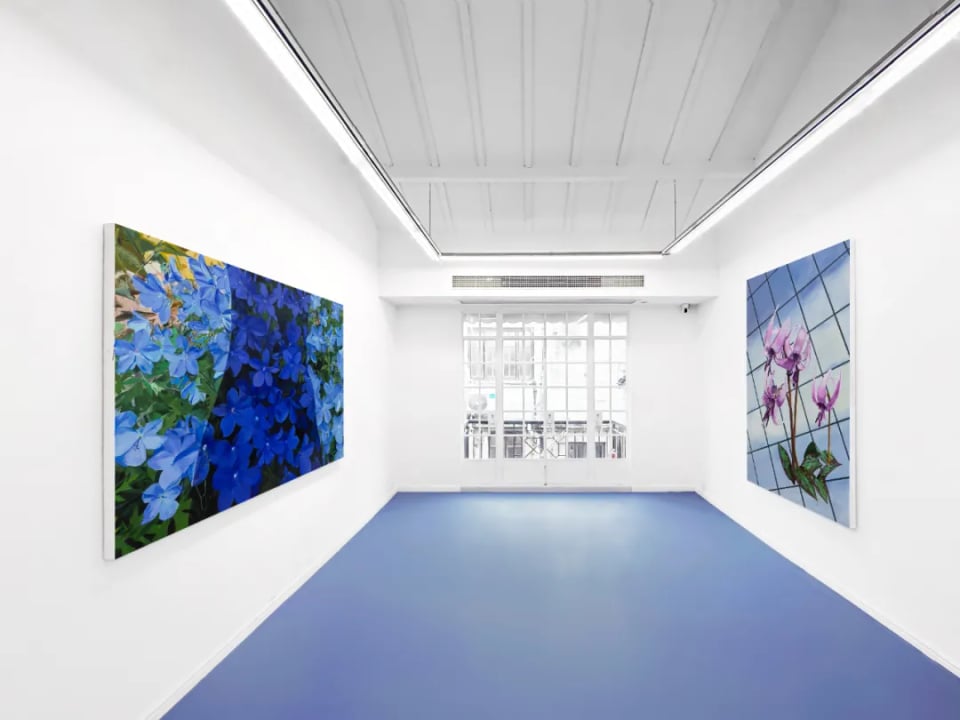
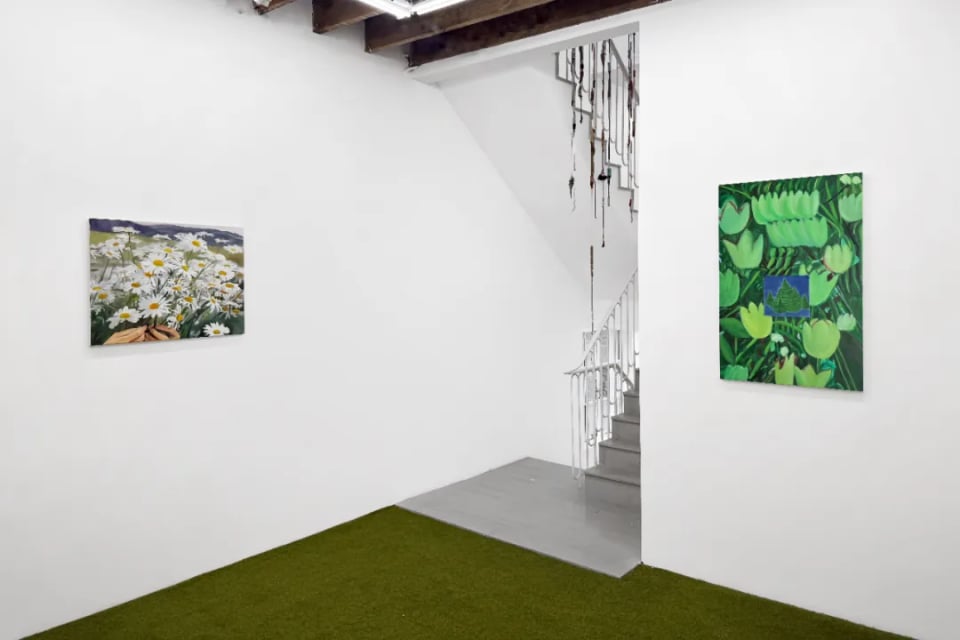
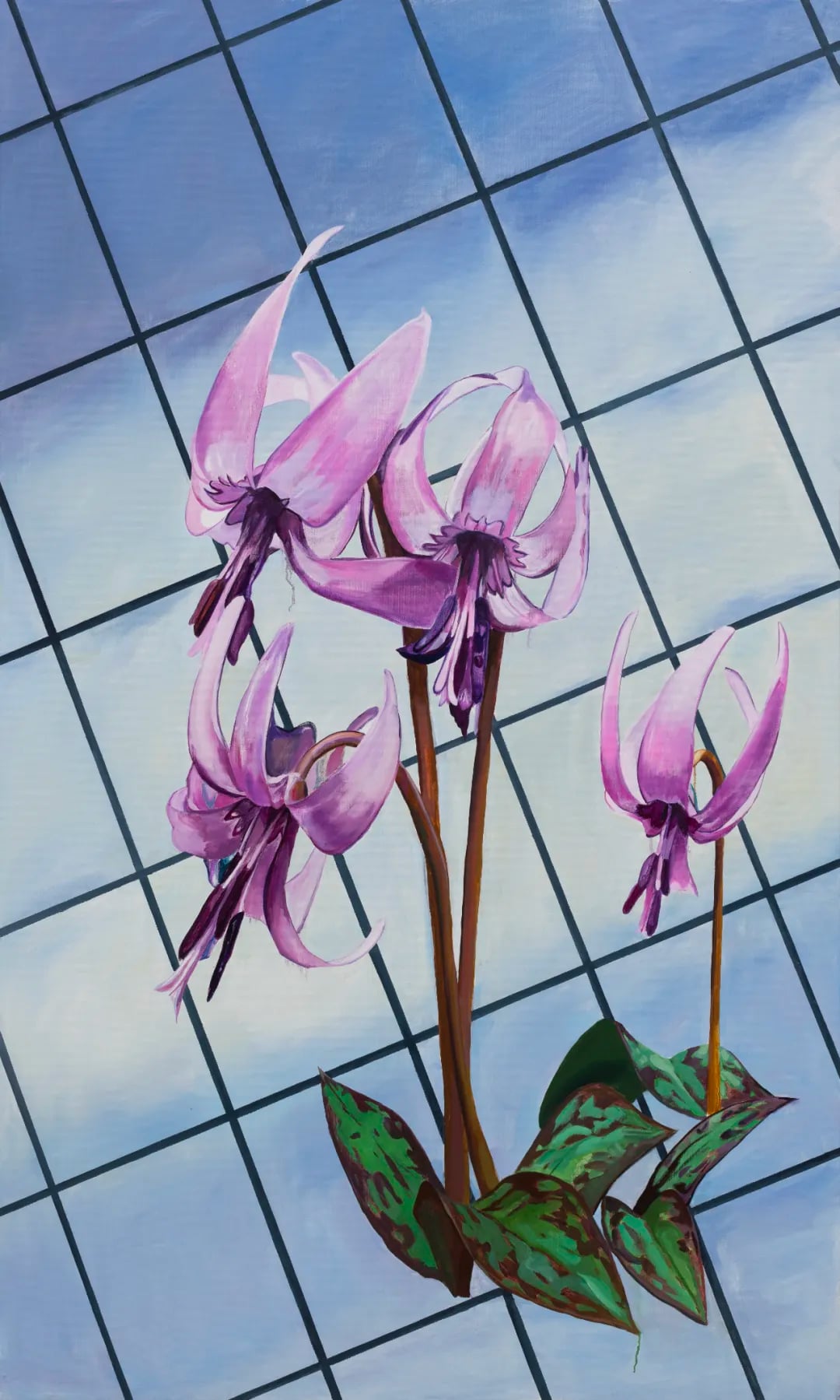
Nan Ke Gallery is pleased to present Of Woman Born, a group exhibition bringing together the works of six artists who have experienced motherhood. Through their practices, the exhibition considers the tangible ways in which becoming a mother reshapes an individual life. The exhibition takes its title from Adrienne Rich’s 1976 book Of Woman Born. It was America in the 1970s. Soap operas and automobile commercials flickered endlessly across television screens. Second-wave feminism was taking shape in universities and on city streets. The future seemed to arrive daily, propelled by technological optimism, consumer abundance, and the promise of progress. Yet many women—more precisely, many mothers—remained absent from these narratives of advancement. They stayed in suburban houses through the long afternoons, caring for children, preparing meals, and inhabiting forms of labor so ordinary as to become nearly invisible.
Adrienne Rich married in 1953 and gave birth to three sons. As a pioneering scholar and an introspective poet, she often found herself caught between her own sense of self and the role of “mother” as it was understood in her time. In photographs from her early marriage, she appears with thick dark curls, deep-set eyes, and a straight nose, carrying something of the composure associated with old European families. Knee-length skirts, pearl earrings, and sensible shoes made her look like the wife of a university professor from the years before Mad Men. It was beneath this seemingly familiar image that she began to think. There, she wrote the opening words of the book: “All human life on the planet is born of woman.”
As a phrase built from the simplest of facts, of woman born almost immediately calls to mind the witches’ prophecy in Shakespeare’s Macbeth: “...for none of woman born shall harm Macbeth.” Yet outside Dunsinane Castle, when Macduff finally confronts Macbeth, he reveals the loophole upon which the prophecy depends. Raising his sword, he declares himself not “of woman born,” but “untimely ripped” from his mother’s womb. The epic hero emerges through an act of separation. The price, however, is that the mother recedes from view: no longer a subject in her own right, she becomes little more than the site through which the hero enters the world.
The echo is distant, yet persistent. Again and again, cultural narratives seem to suggest that individuality is achieved through departure from the maternal body, that history belongs to those who sever the tie, who step beyond it, who leave it behind. Why has human culture so often sought to forget the body from which it came? Writing the introduction to Of Woman Born, Rich punctures this illusion with language that is almost startling in its simplicity, nearly devoid of personal sentiment. She returns instead to a fact: “of woman born”, and so it is.
Images of the exhibition