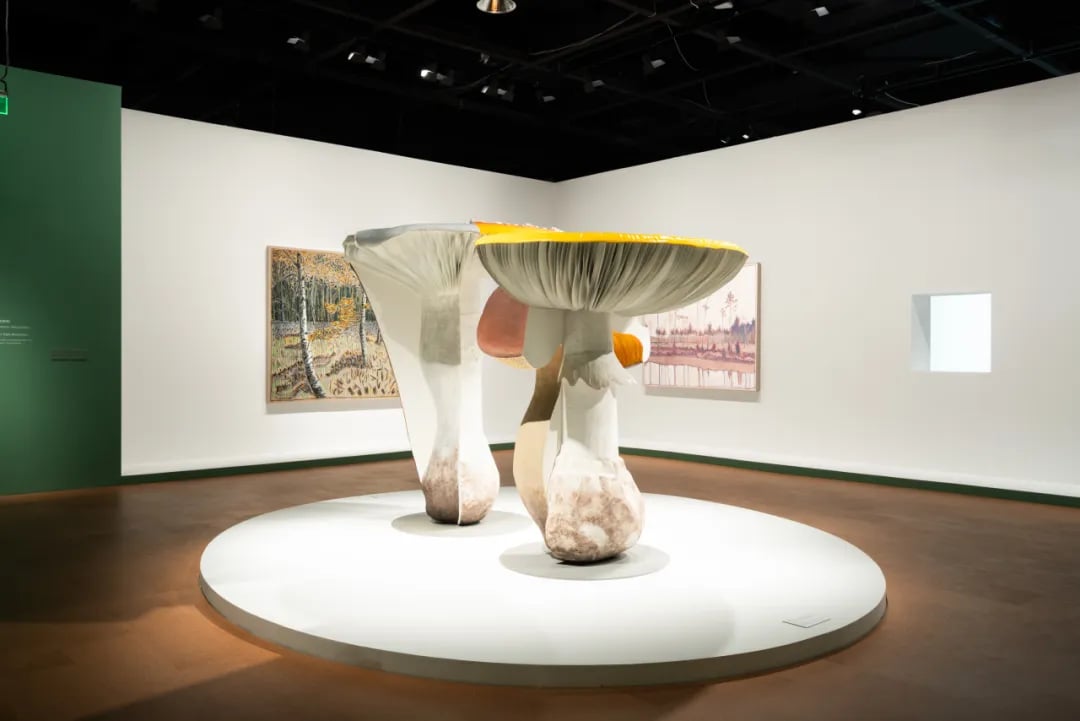
Exhibition detail
Only Tree Knows
Dates
May 1 - Aug 31
Location
135, Hong Feng Road
Pudong
Shanghai
Press Release
On May 1, 2026, Only Tree Knows, a cross-disciplinary exhibition of nature and art jointly presented by the Shanghai Natural History Museum and Shanghai Biyun Art Museum, officially opened in the B1 Temporary Exhibition Hall of the Shanghai Natural History Museum.
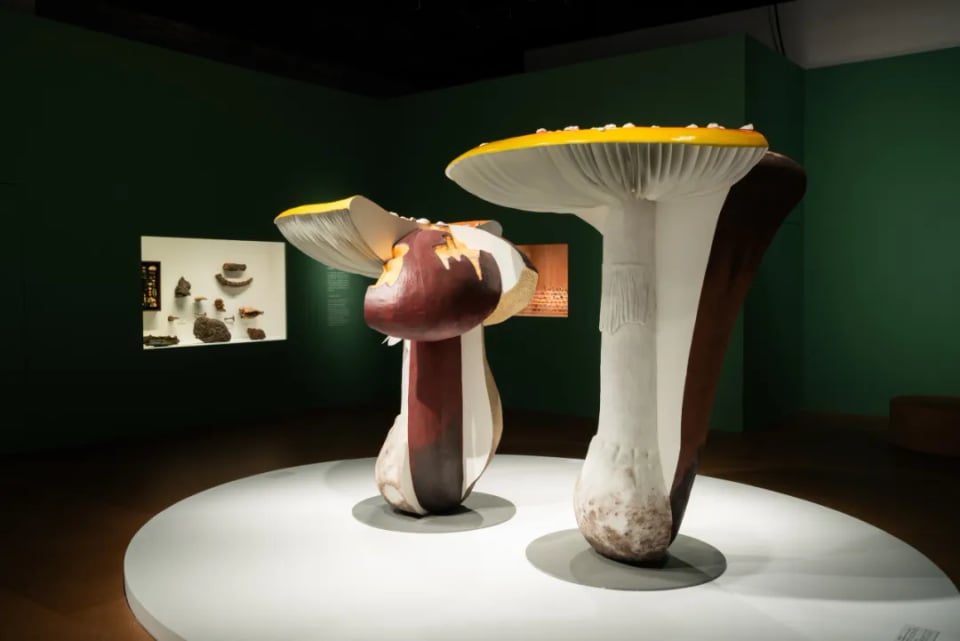
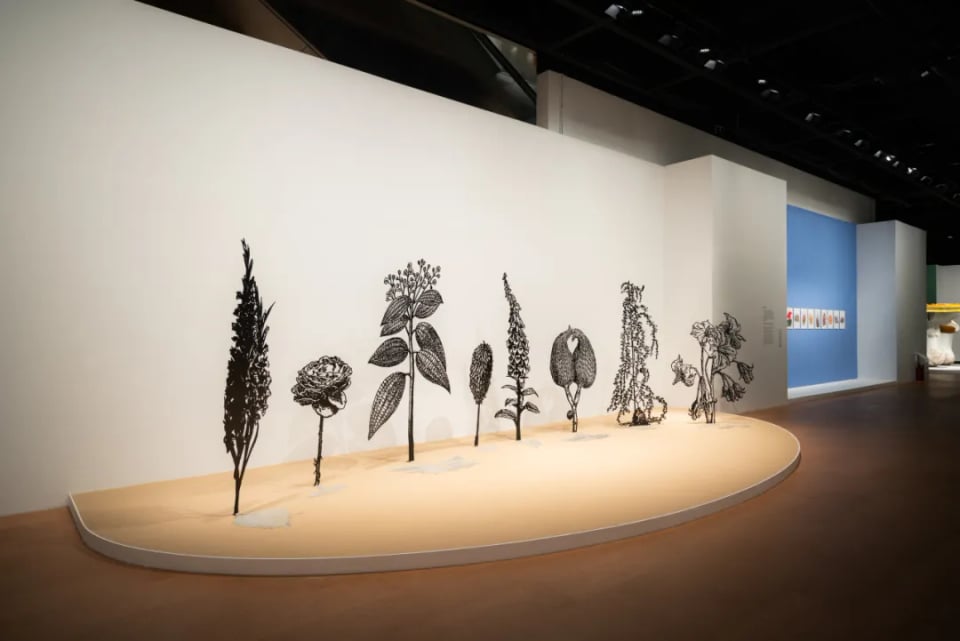
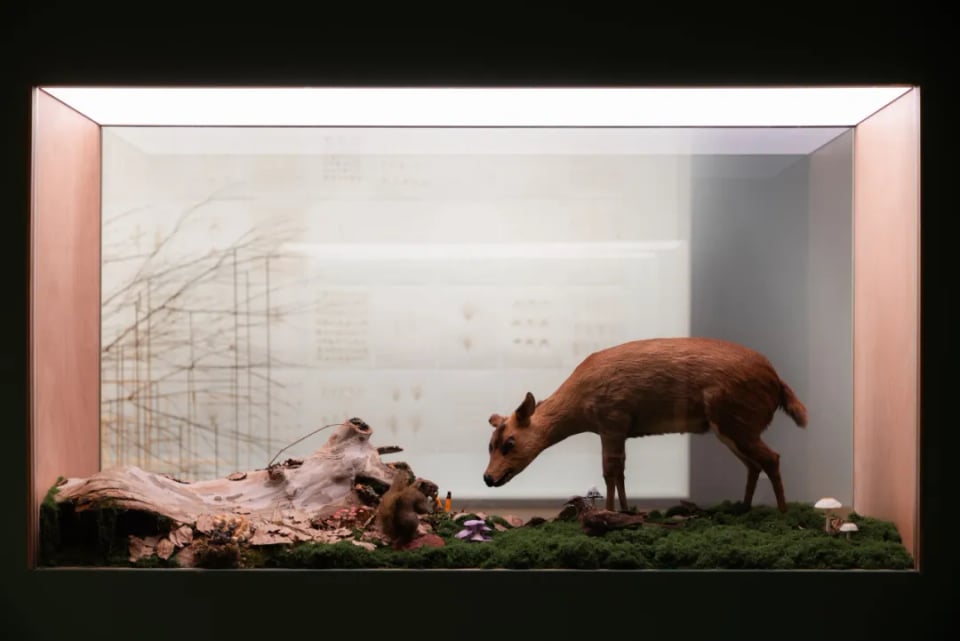
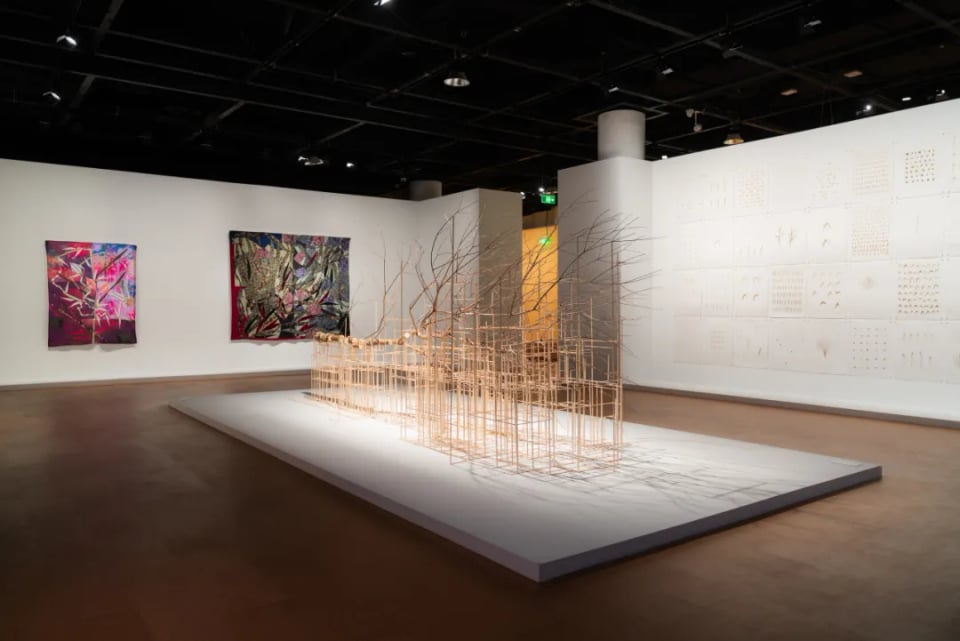
Centered on the concept “Where Nature Meets Art,” the exhibition brings together 22 groups of works by 12 artists from China and abroad, spanning installation, painting, textile, sound, video, algorithmic generative art, and other media. For the first time, natural specimens from the collection of the Shanghai Natural History Museum are placed in the same exhibition context as international contemporary artworks, opening up an interdisciplinary dialogue on forests, life, perception, and coexistence.
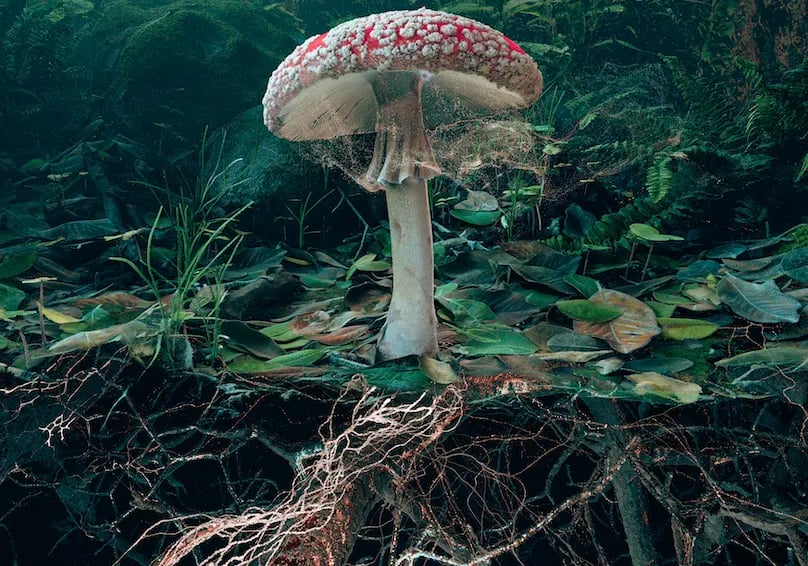
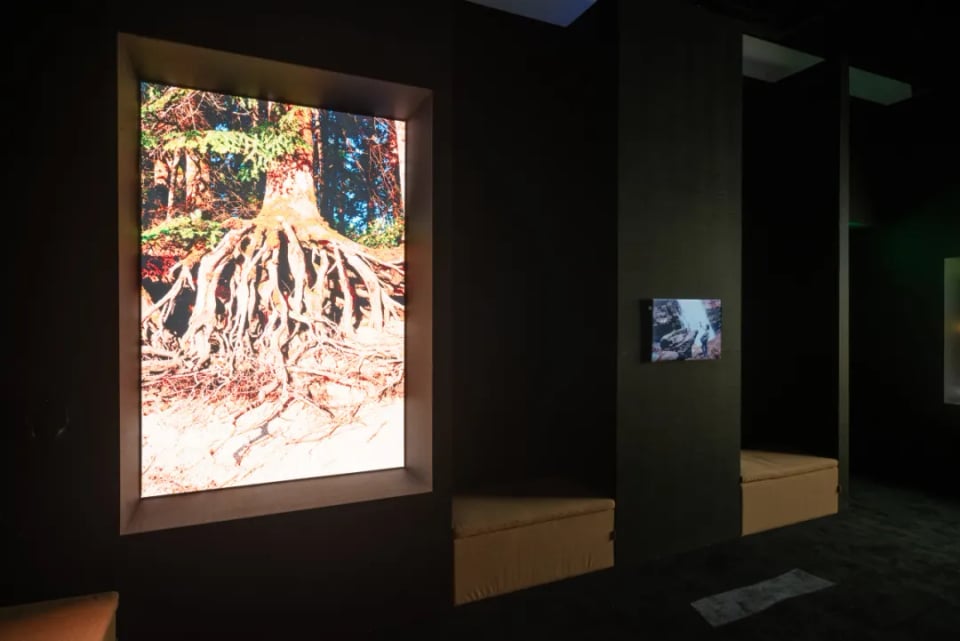
Only Tree Knows does not regard the forest merely as a natural landscape, but understands it as a living system composed of trees, fungi, soil, microorganisms, animals, light, air, and time. The exhibition unfolds along two threads: the aboveground and underground worlds of the forest. On the one hand, it focuses on trees, plants, animals, and visible ecological relationships; on the other, it delves beneath the soil to explore the hidden networks formed by roots, mycelium, and microorganisms.
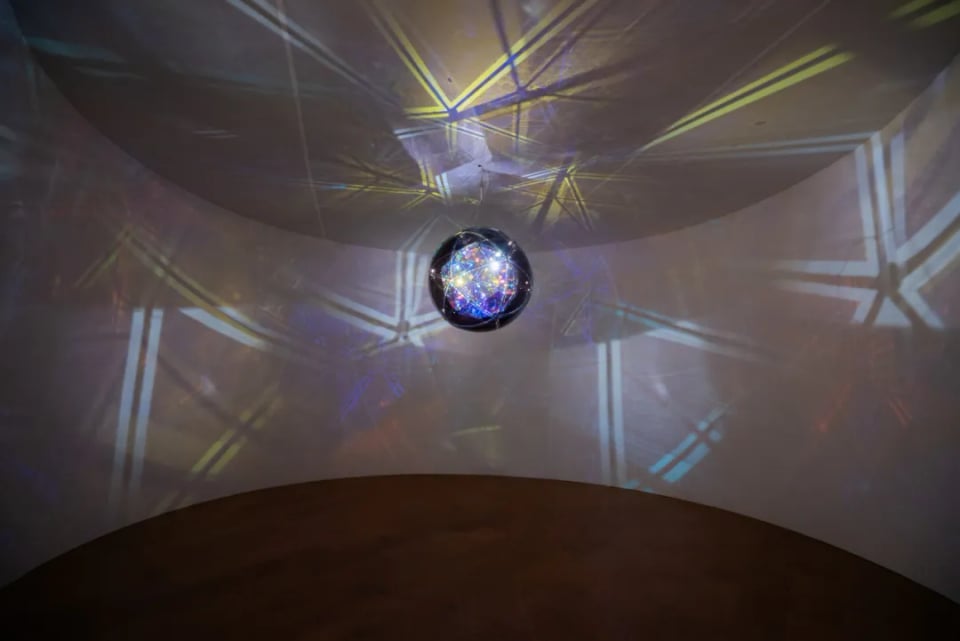
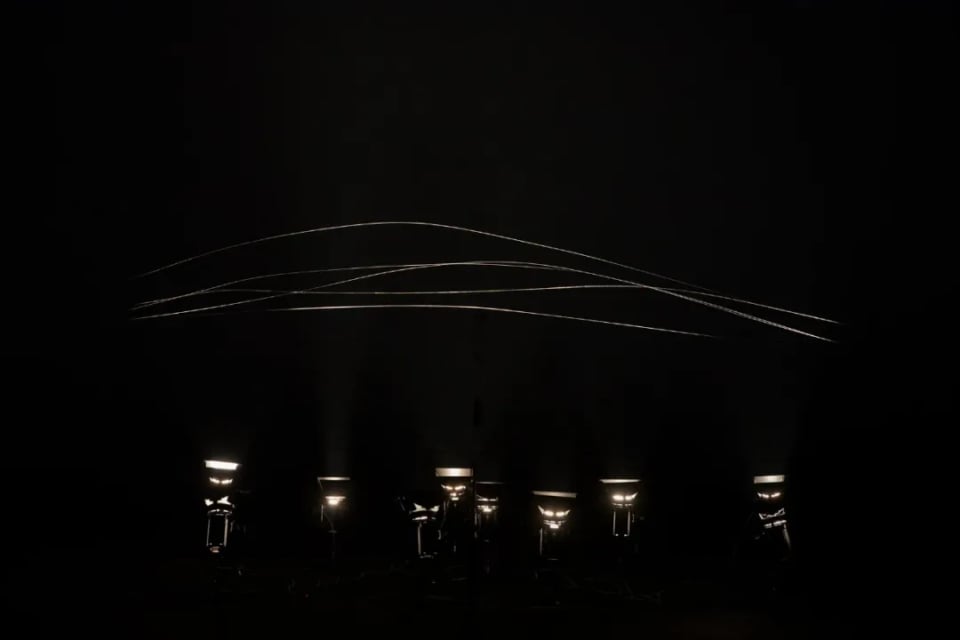
Here, viewers are no longer mere observers of nature, but are invited to enter a forest scene woven together by art, science, and perception. Sound, scent, light, moving image, material, and technology interact with one another, allowing the forest to become a relational space that can be listened to, felt, imagined, and understood anew.
As one of China’s important natural history museums, the Shanghai Natural History Museum has long been dedicated to presenting and communicating knowledge of life evolution, biodiversity, and natural science. By placing natural specimens from its collection alongside contemporary artworks, this exhibition not only expands the display language of the natural history museum, but also offers the public a new entry point for understanding ecological relationships.
When specimens, artworks, and viewers encounter one another within the same space, scientific knowledge is no longer limited to classification and explanation, and art is no longer merely an object of aesthetic appreciation. Together, they form a new way of seeing: How do we understand life? How do we perceive the non-human world? And how might we rethink the relationship between humans and nature in the present?
In this exhibition, the works of the 12 participating artists enter the forest from different directions. Some attend to the traces left by plants and natural materials; some listen to the living networks of soil and mycelium; some reshape the viewer’s bodily experience through light, sound, and perceptual systems; and others generate new forms of “third nature” through algorithms, moving images, and technology.
Together, these works form a polyphonic forest: one that arises from scientific knowledge as much as from mythic imagination; one that responds to natural history while also pointing toward the ecological realities of the technological age.
The title Only Tree Knows is not an answer, but an invitation. It points to forms of life older, slower, and more silent than humankind, while reminding us that the forest is not voiceless; it simply continues to perceive, communicate, and remember in ways different from human language.
In an era marked by ecological crisis and the reorganization of knowledge, the exhibition hopes to illuminate the relationship between art and natural science, guiding viewers to rediscover the hidden relations that sustain life and to reflect on what true coexistence might mean.
Images of the exhibition