Exhibition detail
Regards croisés sur Rodin: exposition conjointe franco-chinoise de photographie de Jean-Yves Cousseau et Sun Ruixiang
Dates
Nov 14 - Sep 28
Location
Centre d’Art Rodin (Shanghai) Building 1, 1929 Shibo Avenue
Pudong
Shanghai
Press Release
This exhibition brings together works by Chinese photographer Sun Ruixiang and French photographer Jean-Yves Cousseau, presenting nearly forty photographic images, with approximately twenty works by each artist. In dialogue with Rodin’s sculptures, the works transcend time and geography, unfolding a cross-cultural conversation through photography. Amid the interplay of light and form, the two artists respond in their own ways to the world shaped by Rodin, while using photography to reshape how we perceive his works.
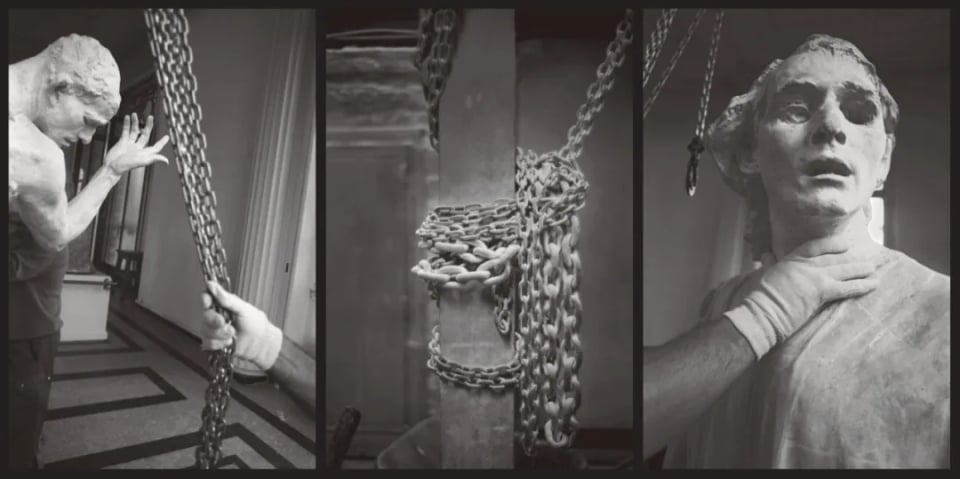
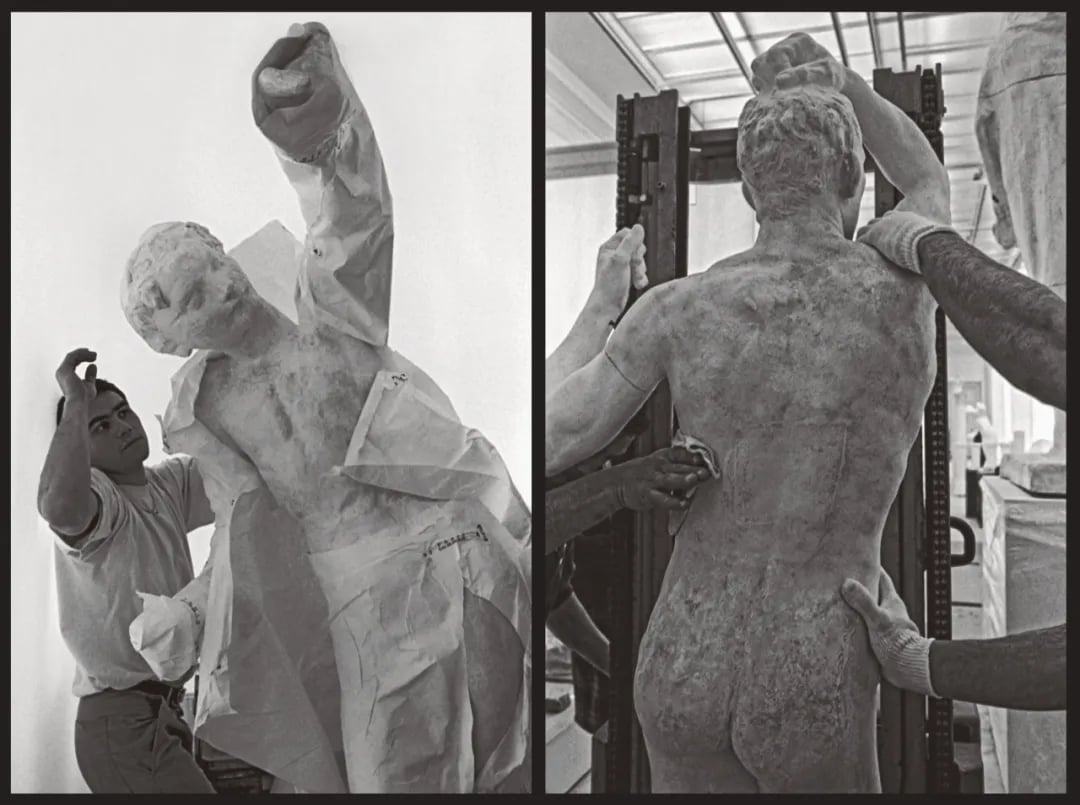
In 2001, Jean-Yves Cousseau was invited by the Musée Rodin in France to photograph the installation process of the exhibition Rodin in 1900—from the restoration and storage of the plaster gallery in Meudon to the exhibition site at the Musée du Luxembourg. During this period, he was granted access to storage areas and restoration studios, where he captured a large body of rare and valuable images. This work continued in 2005. Cousseau’s lens focuses on the material textures of plaster, bronze, and terracotta. These works, touched by time—first shaped by the sculptor and then carved by the years—reveal, under the light, preserved gestures and frozen moments, at once eternal and fragile. Through diptychs and triptychs, he gives a new rhythm to the “stillness” of sculpture. Through repetition and juxtaposition, the images extend into a photographic narrative about sculpture and time.
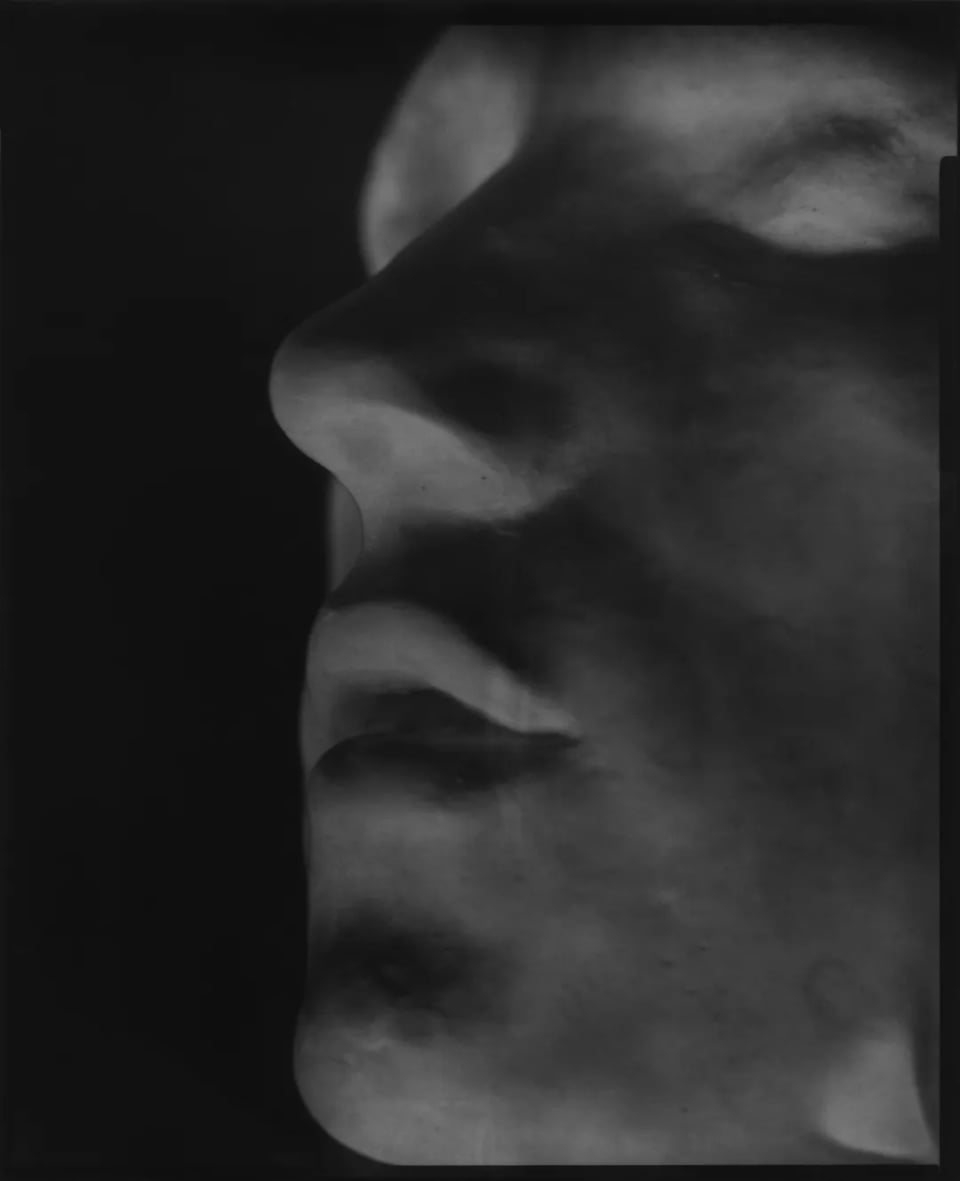
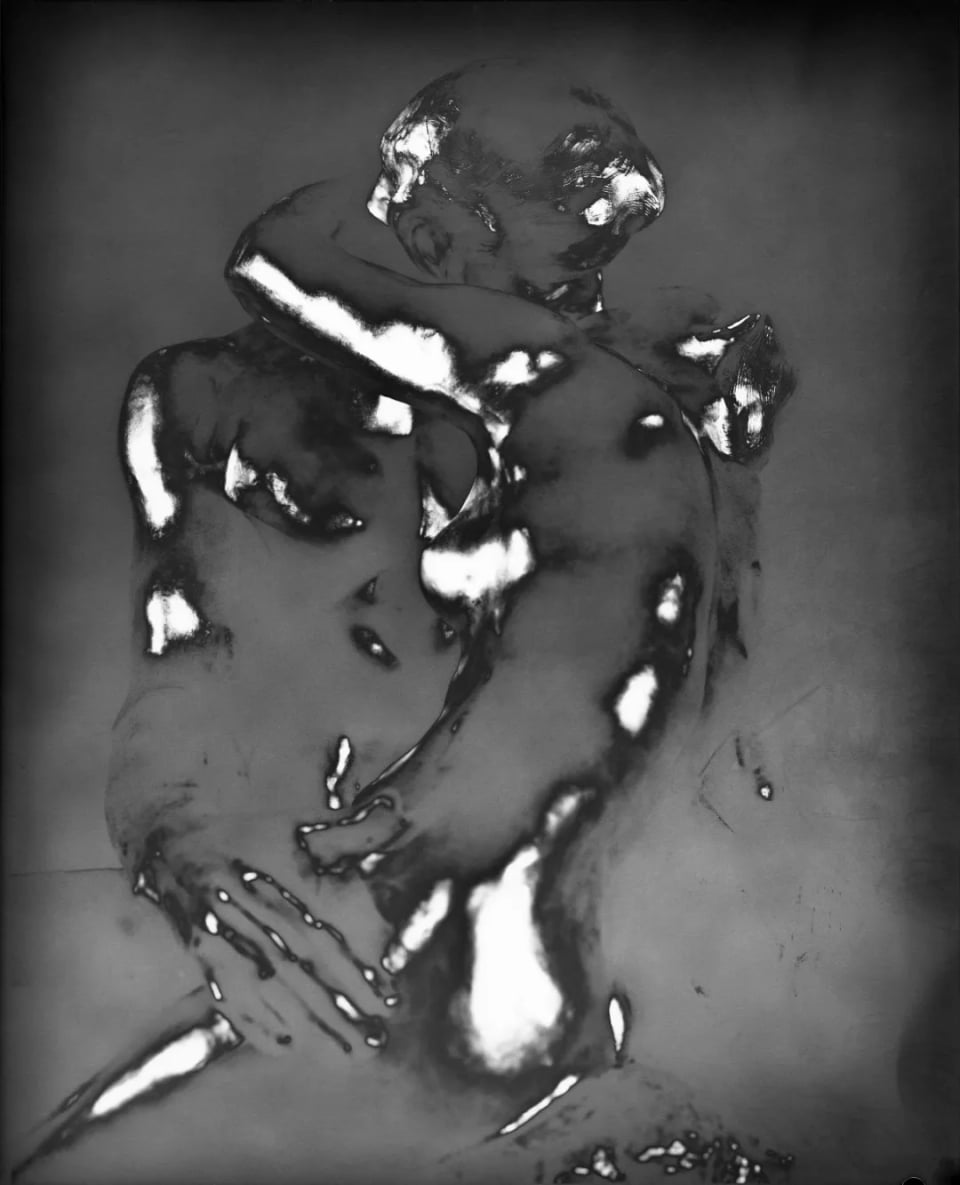
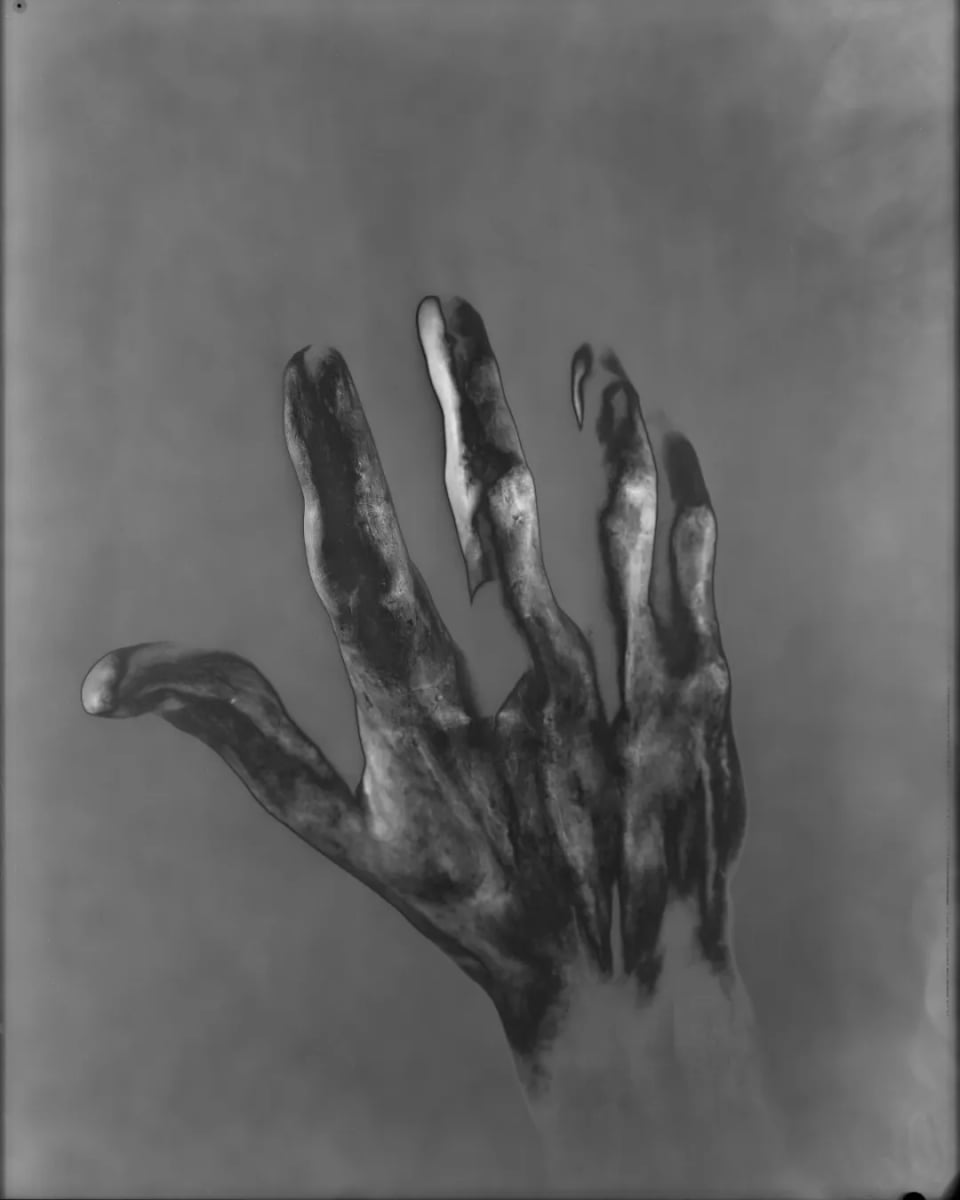
In 2025, Sun Ruixiang turned his lens toward the exhibition Rodin: A Hinge Figure Towards Modernity, currently on view at the Rodin Art Center in Shanghai, reinterpreting Rodin’s works through a distinctive photographic perspective. For this exhibition, he presents twenty black-and-white photographic works, shot with an 8×10 large-format camera using long exposure. In the darkroom, he applies an “intermediate exposure” technique to the negatives, creating distinctive transitions of light and shadow as well as sharply defined contours. With highly stylized details, shadows, and silhouettes, his works reshape the way we look at Rodin through the tension of black and white. His photographs shift sculpture from material presence toward perception, revealing a new visual order.
Images of the exhibition