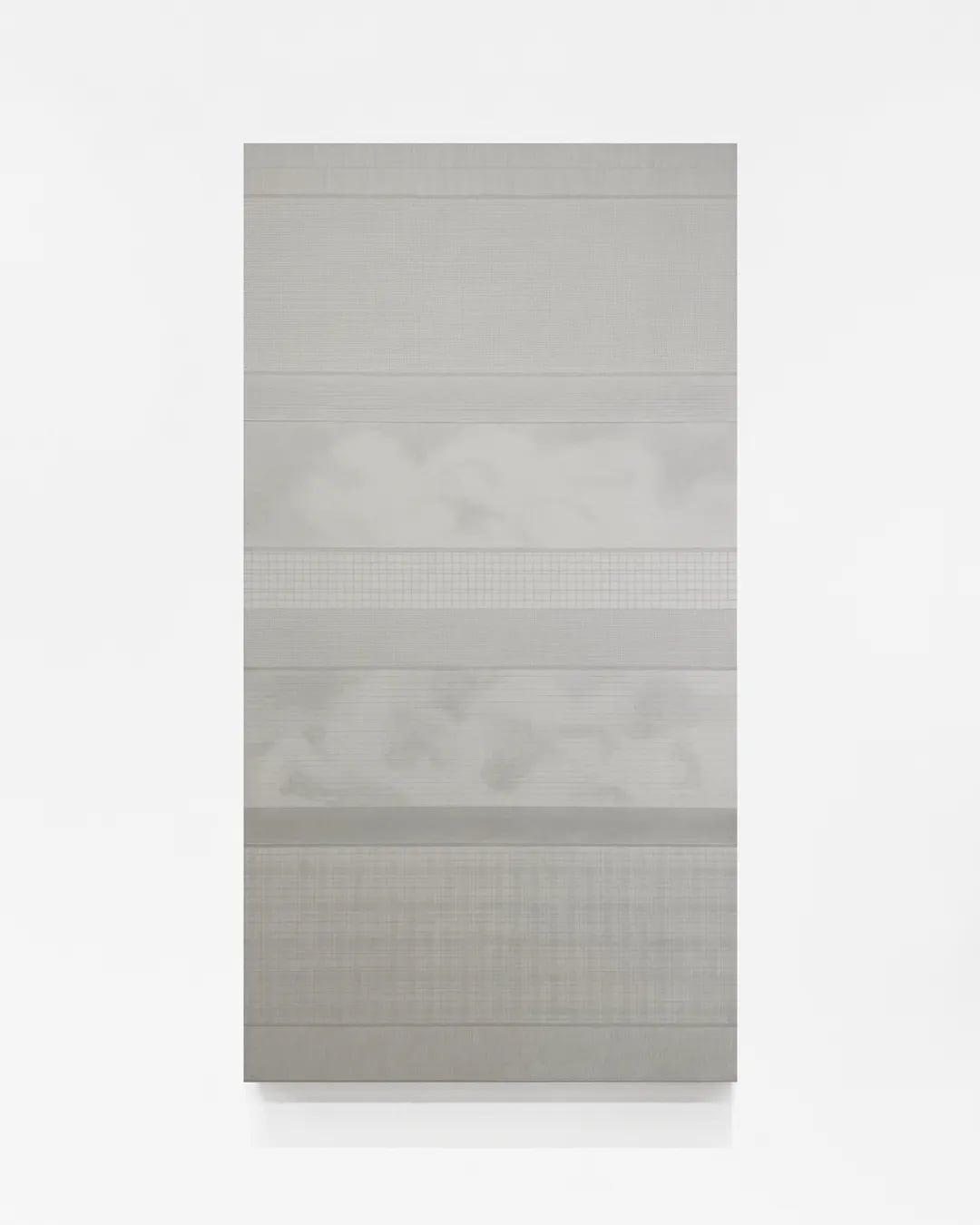
Exhibition detail
Ye Fan: Traces of the Void Universe
Dates
Jun 6 - Aug 9
Location
No. 4221 Longwu Road
Minhang
Shanghai
Press Release
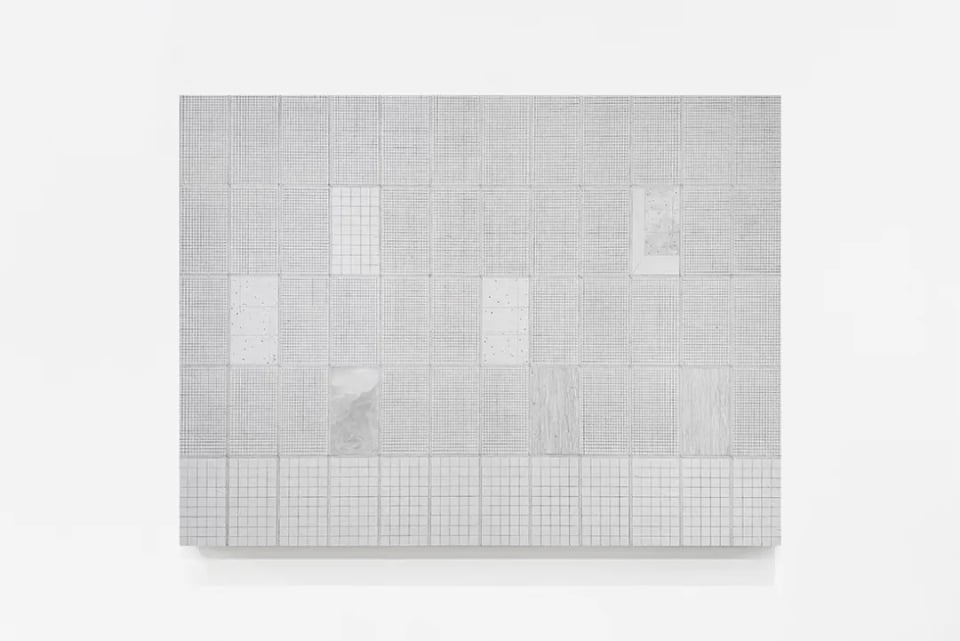
There is cloud in that place. There was cloud there. Or rather, something like cloud. Not the cloud that appears after language has named it. Not the cloud one locates by lifting one’s eyes. Not a cloud already claimed by some region of the sky. She only sensed, faintly, that it had been there for a long time—longer even than the word cloud. Before sound had gathered into speech. Before feeling had learned its own edges, or known where it was meant to return.
At seven in the morning, a weather report drifted in from outside the door, breaking off and coming back again. She could not quite hear it. Only a few words reached her: clear, overcast, temperature, wind, and several numbers blurred at the edges. Before those fragments had time to settle, the voice had already moved on, slow and even, into the next sentence. Sun and rain, cold and warmth, seemed only to pass briefly through its mouth, leaving almost no weight behind.
The day should have been clear. On the table lay the unfinished sheet. Light fell across it, drawing a faint tea-colored stain from the paper, like a small piece of evening left behind before night. She lifted it and looked for a while. It seemed to be a film of moisture, though so pale it was nearly transparent. Perhaps days were like that too: impossible to say they truly existed, impossible to say they were not there at all.
And yet the rain began to fall, quite of its own accord. The certainty of clear weather was covered, in an instant, by a thin layer of dust. The broadcast paused, then resumed: “Rainfall… increasing.” The words were stretched out, flat and slow. But before the last sound had faded, the rain had already stopped. The voice did not pause for this. Soon it had turned to the next item. Why the rain had fallen, and why it had suddenly ceased, did not seem to belong to its order. All it could do was sound at roughly the appointed time, and with sentences arranged long in advance, set life neatly in place: like lines laid side by side, clear and concrete, marked with measurements precise enough to reassure; and yet just as vague—one line beside another, one day after the next, the front still the front, the direction nearly the same, the distance nearly the same, until from far away there was almost no difference between them.
Rain always stops. Wind always passes. The mountain is there. The sea is always moving. Stars belong only to the night sky. As though life could proceed smoothly only when imagination and reality remained almost perfectly aligned.
But rain, wind, mountains, the sea, the stars—none of them exists in order to answer to a name. None of them stops in order to resemble some shape already drawn. They have no certain origin, no promised return. They have never entirely left the past behind, and yet they are not necessarily moving toward an end. They explain nothing. They do not try to leave anything behind. They move back and forth through the long river of time, rest briefly in its cracks, and then, without sound, depart.
The remaining waterlight among the leaves trembled once, finely. The days continued in their old direction. Everything was calm as before, so calm it bordered on sameness.
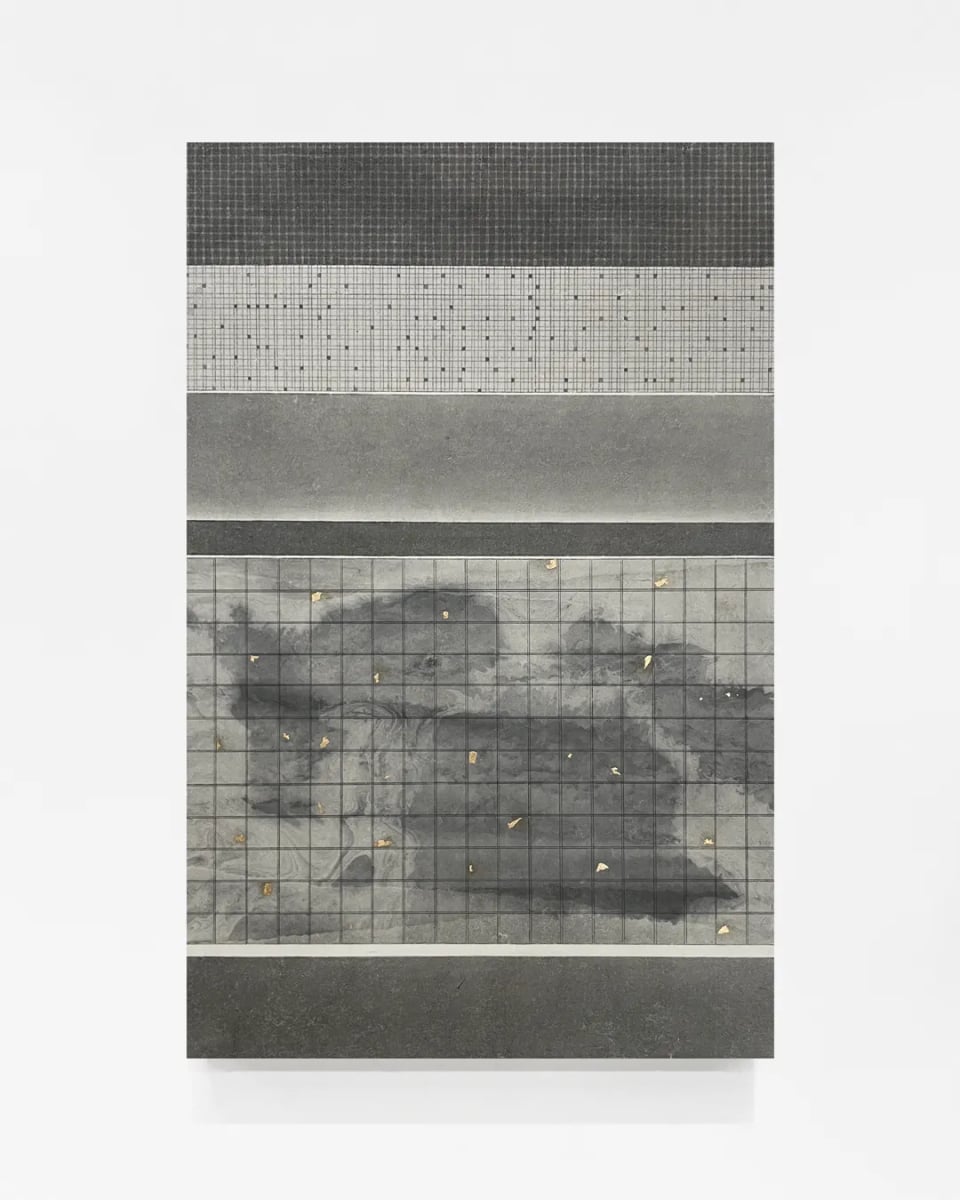
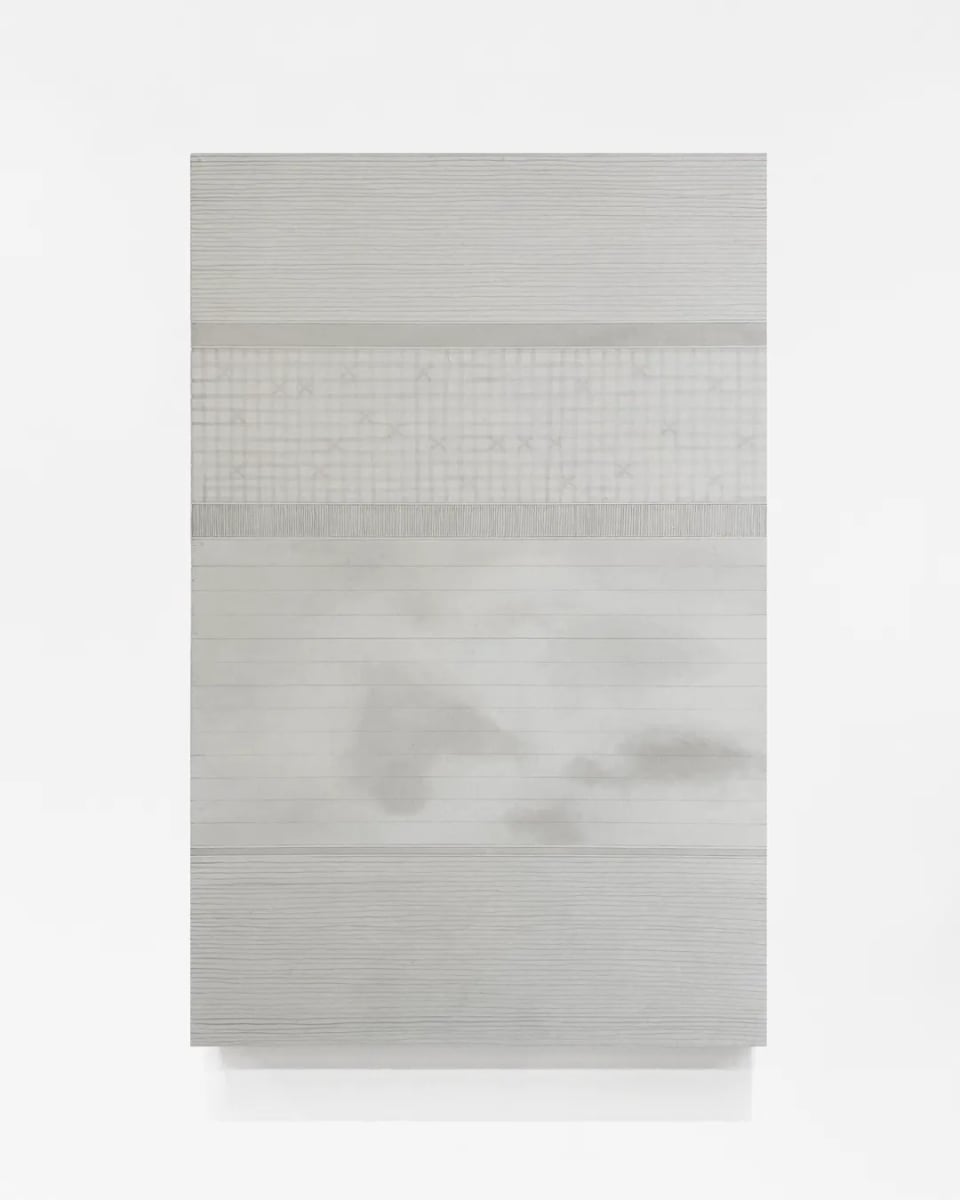
And yet small things are always changed by what passes through them. Quietly, they keep the evidence of what once came near. When the light shifted an inch, the water stain on the paper darkened by a shade, and the ink loosened slightly outward. Yesterday’s dense black sank into a deeper ground; today’s water slipped gently around it from the side. By tomorrow, perhaps, only a faint grey-white trace would remain.
Such traces never announce themselves. They lie low beneath the dust of ordinary days, hidden in the seams of passing time, so quiet they can hardly be pointed out. And still they can gather a thread of warmth, release a hint of dampness, raise a blurred grey shadow, or soften a light too sharp to bear.
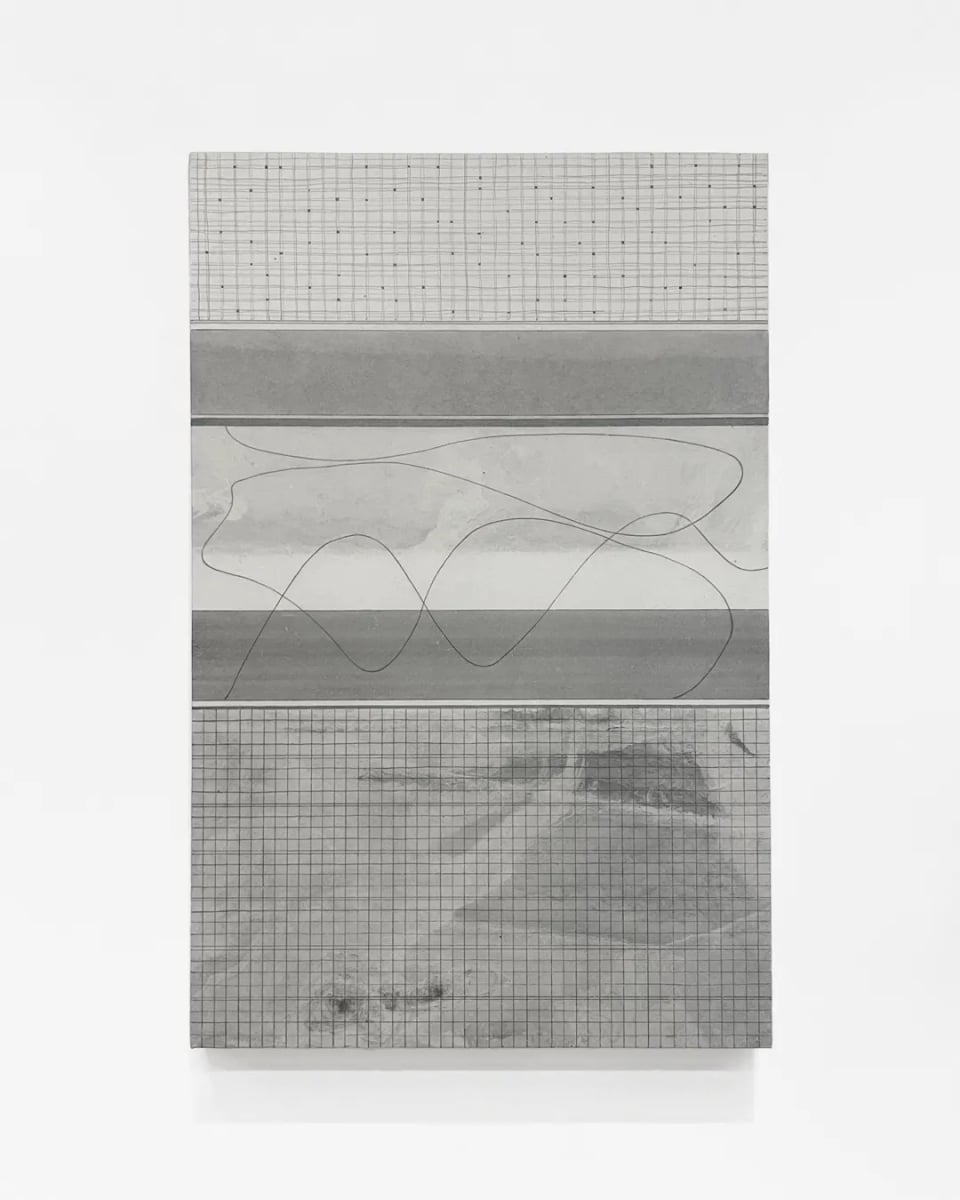
She followed the mountains, the sea, and the stars in her memory. A few dark indigo strokes wound together, enclosing a stretch of emptiness without ever closing it. They were like ridges worn down by years, their outlines slowly loosening, until only a pale ache remained. Like mountains, and not mountains.
Several faint wet marks spread outward, their edges clear and almost formless, like water left on the shore after the tide has withdrawn, holding a coolness not yet fully gone. Like the sea, and not the sea.
A few scattered dots of ink slowly opened into the paper, far from one another, unable to meet, like the dim light left at the edge of the sky after night has lifted, carrying a wordless loneliness. Like stars, and not stars.
The traces of the past were like a sheet covered in writing and lowered into clear water. They did not dissolve line by line in the order of time. They faded at random, unevenly, out of sequence. Only when the parts meant to arrange the world—the parts people most wished to preserve—had dissolved first did the hidden, unyielding things begin to show. They had been there all along, concealed for a long time in the deeper layers.
There was cloud there. That faint shape, that breath, had formed from the meeting of many small and honest traces, yet it belonged to none of them. Like cloud, and not like the word cloud. It hid inside a silence without edge, withdrew into the shadow of time, lingered where meaning had come loose, and moved through the narrow seam between resemblance and difference.
Sunrise. Sunset. The voice outside the door gradually became clear: “Today, from daytime through tonight, the city is expected to be mostly clear, with scattered rain in some areas. High thirty-five degrees Celsius, low twenty-five. Light to moderate southerly winds.” Inside, the room remained quiet. The fibers of the paper relaxed gently, as if something from outside had brushed across them. Perhaps it was a wind from far away, not yet arrived. Perhaps it was moisture spreading through the air. The south wind had yet to arrive. The rain had already gone elsewhere. There was cloud there, though no sky could be seen.
Images of the exhibition